Robot Yield Co-op: Affordable Humanoid Hire Solution
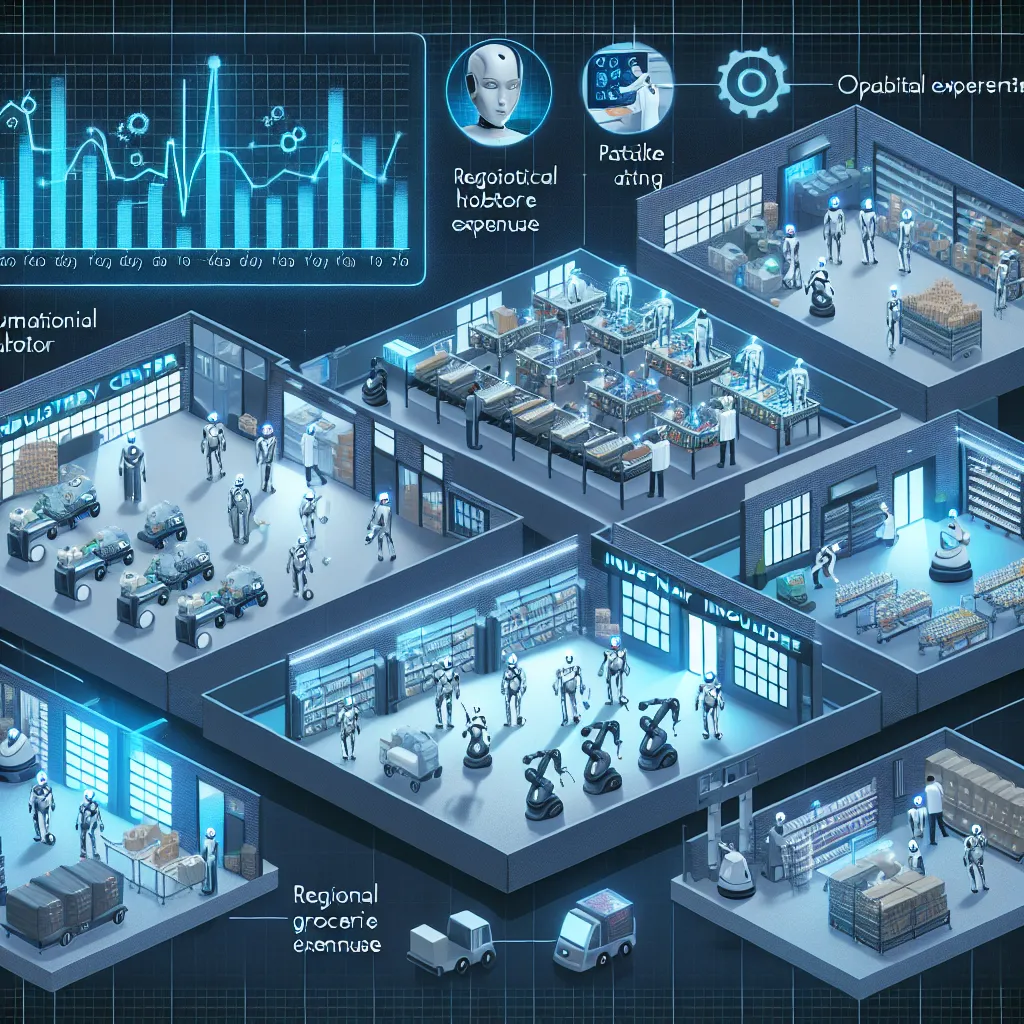
ARK’s thesis assumes a $26T humanoid robot market, but most factories, warehouses, and hospitals have no way to finance or experiment with them. Capex is huge, and no one wants to be stuck with obsolete hardware. A startup could build a “robot yield co-op”: it raises capital, buys fleets of humanoid robots, and rents them to mid-market customers by the hour, across multiple sites, while a software layer optimizes deployment so the robots are always working where unit economics are best. Customers get “robot labor” as an operating expense; investors get a yield stream tied to utilization. Why now? Hardware is finally good enough that humanoid pilots are real, but capital markets and leasing infrastructure haven’t caught up. Example: a regional grocery chain subscribes to 20 humanoids for night-shift stocking and cleaning across stores for a fixed per-hour rate, instead of buying any robots outright.
Description
No additional description provided.
The Pitch
The increasing functionality and reliability of humanoid robots have opened up new opportunities in automation across various sectors, such as manufacturing, warehousing, and healthcare. However, the high capital expenditure associated with purchasing these robots has become a significant barrier for most businesses. The financial risk and possibility of technological obsolescence deter potential adopters. This is where a new business model—a robot yield co-op—can provide a solution, allowing organizations to benefit from robotic labor without the high upfront costs or long-term commitments.
### Backstory
In recent years, technological advancements have made humanoid robots more capable and versatile, making them viable alternatives to human labor for repetitive, dangerous, or non-cognitive tasks. Key sectors like manufacturing, logistics, and healthcare have started exploring the utility of these machines. Despite these advances, the adoption rate remains low due to the considerable capital investment required for ownership, evolving technologies, and potential obsolescence. Meanwhile, the demand for cost-effective automation solutions is increasing as businesses strive to remain competitive in a rapidly evolving market.
### Problem
- **High Capital Expenditure:** Purchasing humanoid robots requires significant upfront investment, which is a barrier for many organizations, especially small and medium-sized enterprises (SMEs).
- **Technological Obsolescence:** Rapid advancements in robotics and AI mean that robots can quickly become outdated, further discouraging businesses from investing in expensive machinery that may not provide long-term value.
- **Utilization Optimization:** Businesses often struggle to maximize the utilization of robots, as peak demands fluctuate across different times and sites, leaving costly equipment underused during idle periods.
### Solution
Introduce a robot yield co-op that offers a flexible and scalable solution. This model would involve:
- **Capital Raising & Fleet Acquisition:** The company raises capital to purchase fleets of humanoid robots.
- **Leasing Model:** Robots are rented to mid-market businesses on an hourly basis, allowing them to treat robotic labor as an operational expense rather than capital expenditure.
- **Optimization Software:** A software layer optimizes the deployment of robots, ensuring they are utilized where unit economics are advantageous, thereby maximizing return on investment and operational efficiency.
### Product Details
- **Robot Leasing Service:** Businesses can lease robots for defined periods or specific tasks.
- **Flexible Contracts:** Tailored agreements that adjust to business needs and operational hours.
- **Software Platform:** A real-time dashboard for managing robot deployment, usage analytics, and performance monitoring to ensure optimal use and maintenance scheduling.
- **Customer Support & Maintenance:** A comprehensive service package to ensure seamless operation and minimize downtime.
### Tools for MVP Launch
- **Robot Leasing Platforms:** Utilize existing leasing technology to manage contracts and schedules.
- **Optimization Software:** Develop or partner with AI software providers to create a robust platform for deployment optimization.
- **Robotics Hardware Providers:** Collaborate with leading robotics manufacturers for access to cutting-edge humanoid robots.
- **Fleet Management Solutions:** Employ fleet management tools for tracking usage and maintenance needs.
### Go-To-Market Strategy (GTM)
- **Target Market Identification:** Focus initially on sectors with high labor costs and repetitive tasks such as retail, manufacturing, and logistics.
- **Partnerships:** Form alliances with robotics manufacturers, industry associations, and logistics companies.
- **Pilot Programs:** Initiate pilot programs with select customers to showcase effectiveness and gather testimonials.
- **Marketing Campaigns:** Utilize case studies, whitepapers, and digital marketing strategies to educate potential clients on cost savings and productivity benefits.
- **Sales Strategy:** Employ a direct sales force complemented by consultants who specialize in automation solutions.
### Business Model
- **Revenue Streams:** Generate income through leasing fees, software subscriptions for deployment optimization, and maintenance services.
- **Recurring Revenue:** Foster long-term relationships with customers through renewable contracts and tiered pricing models based on usage.
- **Investor Returns:** Offer investors a yield stream tied to the utilization rates of the robots, aligning the interests of the company with its financial backers.
By addressing the barriers to entry and providing a scalable, flexible solution, the robot yield co-op concept presents a compelling business opportunity that capitalizes on recent technological advances while meeting market needs.