Robot Credentialing Authority for Safe Integration
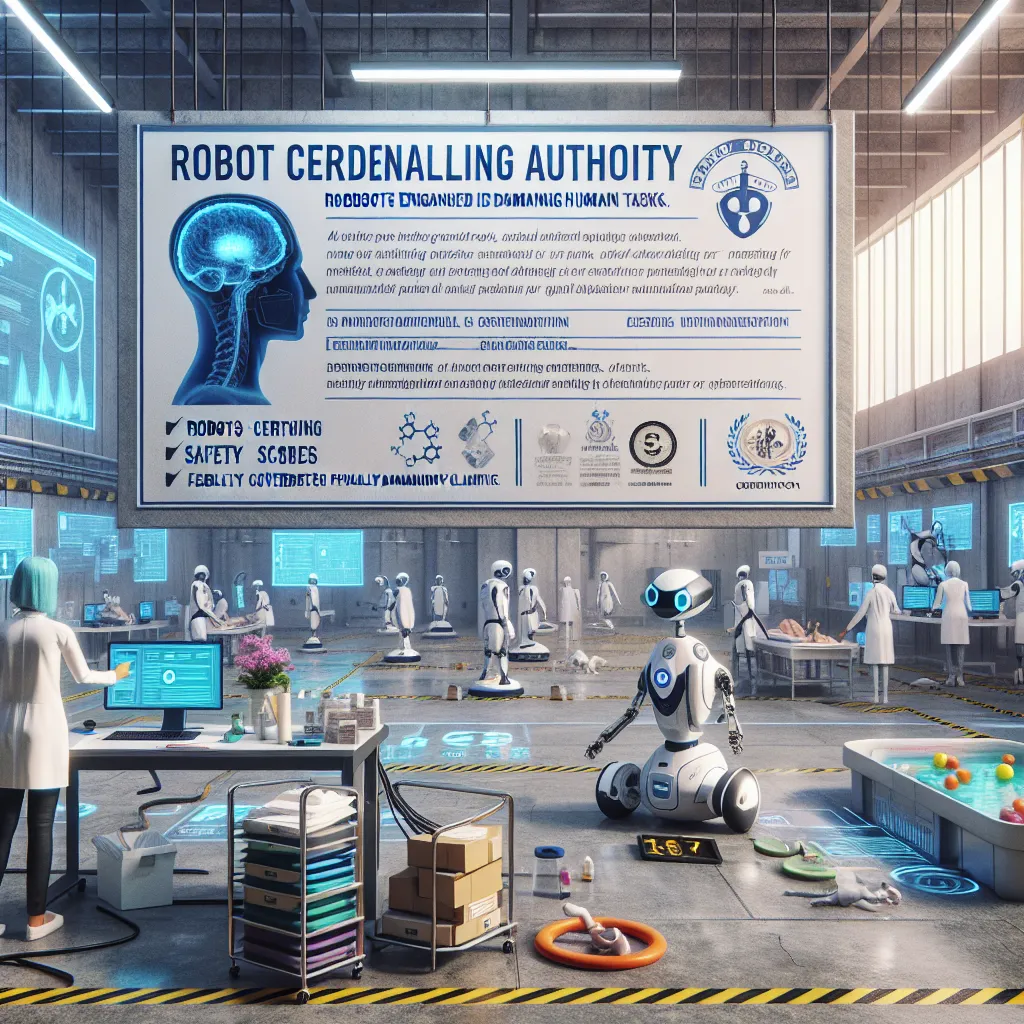
As robotics moves into human-exclusive domains, society lacks neutral infrastructure to evaluate, insure, and govern machines performing intimate or irreversible tasks. A new platform could function as a “robot credentialing authority,” issuing licenses, safety scores, and liability coverage for robots engaged in physical labor involving humans. This moment exists because robotics is outpacing legal frameworks, leaving manufacturers, buyers, and regulators exposed. A fertility clinic, warehouse, or hospital could require robots to carry verified credentials before deployment, similar to how doctors, pilots, or contractors are certified today.
Description
No additional description provided.
The Pitch
In the rapidly evolving field of robotics, there is a growing necessity for a regulatory structure that ensures safety, reliability, and accountability. As robots increasingly enter domains traditionally dominated by humans, there is a pressing need for a system that evaluates and certifies these machines, especially when they perform intimate or irreversible tasks. Currently, robotics development is outpacing existing legal and regulatory frameworks, creating vulnerabilities for manufacturers, buyers, and regulators alike. The idea proposed here is to establish a platform serving as a robot credentialing authority. This entity would issue licenses, assign safety scores, and offer liability coverage for robots engaged in tasks involving close interaction with humans.
Backstory:
The advancement in robotics technology has reached a point where robots are no longer limited to repetitive industrial tasks. They are rapidly moving into sectors such as healthcare, logistics, and personal services. However, while the technology progresses, the mechanisms for ensuring these robots are safe, efficient, and reliable lag far behind. Unlike professions such as medicine or aviation, where practitioners must undergo rigorous certification processes, no equivalent system exists for robots entering human-centric environments. This gap represents a significant risk that could hamper the adoption of robotics technologies due to fears over safety and accountability.
Problem:
The primary issue is the lack of a standardized system to credential robots before they are deployed in environments where they interact closely with humans. Without such a system, various stakeholders—ranging from manufacturers to end-users and regulators—face substantial uncertainties regarding the performance and safety of robotic systems. The absence of clear guidelines and safety standards could result in accidents or mishaps, leading to a loss of public trust and legal complications. Moreover, companies adopting robotic solutions are often left to navigate these uncertainties on their own, which can be both time-consuming and costly.
Solution:
Development of a centralized platform that acts as a robot credentialing authority can address these challenges. This platform would function similarly to professional certification bodies in other industries. It would establish standardized testing and evaluation procedures to determine the safety, reliability, and operational readiness of robots. In addition to licensing, the platform would assign safety scores and provide customizable liability coverage. All these can ensure a high level of confidence in the integration of robots into human-centric roles, fostering wider acceptance and seamless integration across industries and environments.
Product Details:
The initial iteration of this platform would include the following features:
1. Standardized Certification: Establish criteria and methods for testing and certifying robots across various domains and environments, ensuring they meet safety and operational standards.
2. Safety Scoring System: Develop a robust scoring system that quantifies the safety and performance of robots, allowing stakeholders to make informed decisions.
3. Liability Coverage: Partner with insurance providers to offer liability coverage options for certified robots, mitigating risks associated with their deployment.
4. Compliance Tools: Provide resources and support for manufacturer compliance with certification standards and continuous monitoring.
5. Credential Database: Maintain a centralized database where stakeholders can verify the certification status and safety scores of specific robots.
Tools for Launching MVP:
To kickstart the venture, the following tools and frameworks can be utilized:
- Agile Development Platforms: Use agile project management tools to iteratively develop and refine the platform, ensuring alignment with market needs and regulatory requirements. - Cloud Services: Leverage cloud-based infrastructure for scalable operations and secure data management. - Machine Learning Algorithms: Implement predictive analytics to enhance the accuracy and efficiency of safety evaluations and performance predictions. - Collaboration Software: Use tools enabling effective collaboration among partners, stakeholders, and regulatory bodies.
Go-To-Market Strategy (GTM):
The GTM strategy will focus on building partnerships and targeting initial markets with high readiness for robotics integration:
1. Pilot Programs: Collaborate with key industry players in healthcare, logistics, and manufacturing to pilot the certification process.
2. Strategic Partnerships: Engage with insurance firms to integrate liability coverage offerings into the certification package.
3. Regulatory Alignment: Work closely with regulatory bodies to align the certification process with emerging legal standards and frameworks.
4. Educational Outreach: Conduct workshops and webinars to educate industries about the benefits and processes of robot credentialing.
Business Model:
The business model will be subscription-based with licensing fees supplemented by additional revenue streams:
1. Subscription Fees: Charge manufacturers and developers subscription fees for access to certification and evaluation services. 2. Licensing Revenue: Collect licensing fees for certified robots, based on their safety scores and industry application. 3. Insurance Commissions: Earn commissions from insurance providers for policies sold through the platform. 4. Data Analytics Services: Offer premium insights and analytics services to stakeholders interested in market trends and safety performance metrics.
Creating this credentialing authority solves a crucial problem at the intersection of technology and human safety, fostering a future where robotics can seamlessly integrate into daily human tasks with trust and assurance.