Robot-as-a-Service (RaaS) Model
Description
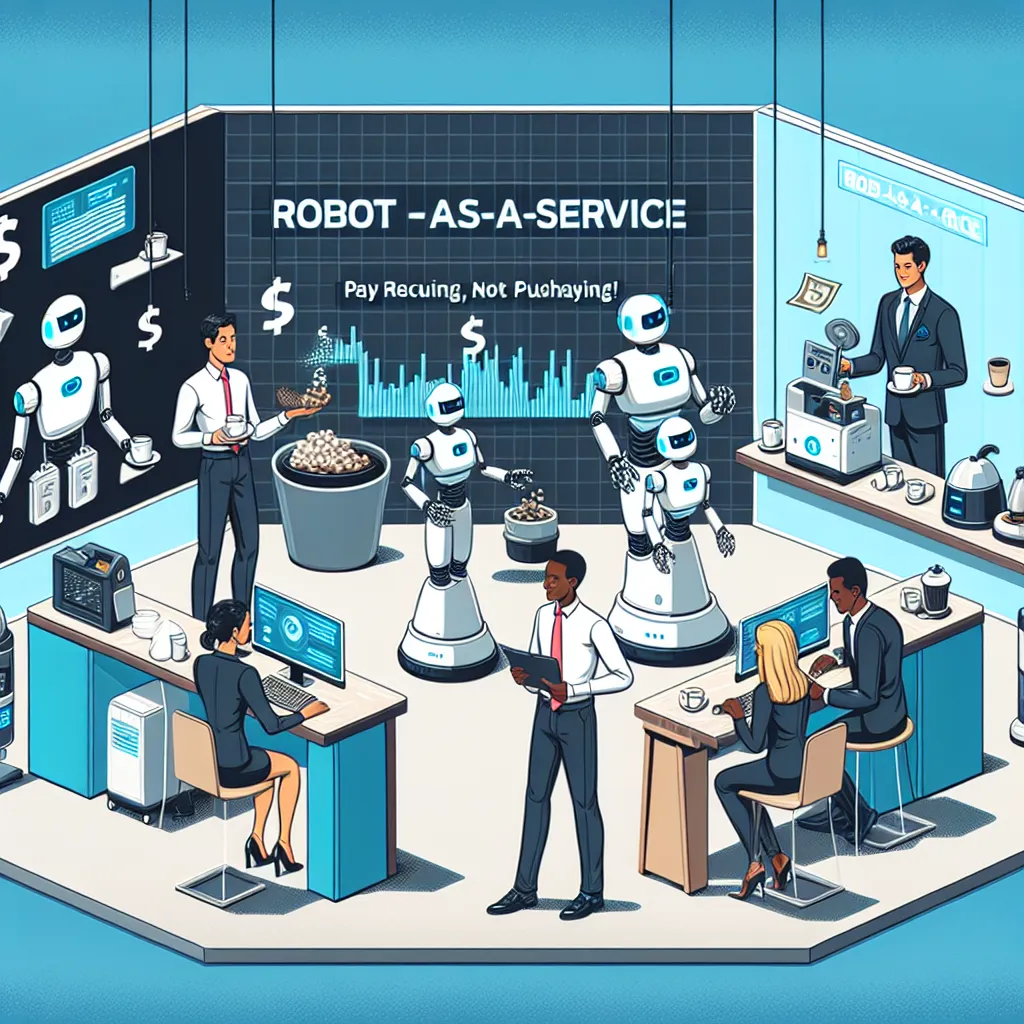
Robot-as-a-Service Model: Offering robots on a leasing basis for businesses, where companies can use robots to perform specific tasks and pay a recurring fee instead of purchasing them outright.
The Pitch
Concept: The Robot-as-a-Service (RaaS) model allows businesses to lease robots for specific tasks rather than making a significant upfront investment in purchasing them. This model operates similarly to Software-as-a-Service (SaaS), where companies subscribe to access the technology. The RaaS approach provides flexibility, reduces capital expenditure, and ensures that businesses can scale their robotic needs up or down based on demand.
Target Market: The primary market for this service includes industries with high labor costs and a need for automation, such as warehousing, manufacturing, retail, and logistics. These industries often struggle with labor shortages, high turnover rates, and operational inefficiencies that robots can address.
Value Proposition:
Cost Efficiency: Companies avoid the large upfront costs associated with purchasing robots. Instead, they pay a manageable monthly fee, making advanced robotics accessible to smaller businesses.
Flexibility: Businesses can scale their robot usage based on seasonal demands or project needs without the burden of ownership.
Maintenance and Updates: The leasing company handles maintenance, repairs, and software updates, ensuring the robots are always running at optimal performance.
Risk Reduction: By leasing robots, companies reduce the risk of investing in rapidly evolving technology that could become obsolete. They can switch to newer models as technology advances.
Business Model:
Subscription Plans: Offer tiered subscription plans based on the number of robots, the complexity of tasks, and the level of support required. For example, a basic plan might include a small fleet of robots for simple tasks like item sorting, while premium plans could cover more advanced functions like quality control or complex assembly tasks.
Add-on Services: Provide additional services such as customization, integration with existing systems, and data analytics to help companies optimize robot performance.
Long-Term Contracts with Discounts: Encourage long-term commitments by offering discounts for extended contracts or bundled services, such as combining robots with maintenance and analytics.
Implementation:
Initial Deployment: Start with pilot programs in specific industries (e.g., e-commerce warehouses) to fine-tune the service offerings. These pilots would help demonstrate the cost savings and efficiency gains to potential customers.
Partnerships: Collaborate with robot manufacturers to ensure a steady supply of the latest technology. Also, partner with software companies for seamless integration with customers' existing systems.
Customer Support: Develop a robust support system, including 24/7 technical support, on-site maintenance teams, and regular performance reviews with clients.
Challenges:
Technical Complexity: Ensuring robots can handle a wide range of tasks in different environments requires advanced programming and adaptability.
Customer Trust: Convincing businesses to rely on leased robots for critical operations will require building strong trust and demonstrating reliability.
Potential Impact: The RaaS model could revolutionize how companies approach automation, making it more accessible and scalable. By lowering the barrier to entry for advanced robotics, this model could significantly enhance productivity across various industries, especially in areas with high labor costs or shortages.
Distinctiveness: While companies like Amazon and Tesla are integrating robots, the RaaS model differentiates itself by focusing on accessibility for smaller businesses and providing flexibility through leasing rather than ownership.
This concept could become a cornerstone in the future of automation, offering a scalable solution to meet the growing demand for robotic labor across multiple industries.