Risk Graph Engine for B2B Credit Visibility
B2B suppliers often extend credit based only on their direct experience with a buyer, lacking visibility into the buyer’s total exposure across the ecosystem. This isolation leads to cascading failures during market stress when too many suppliers are unknowingly overexposed to the same buyer. A risk graph engine would integrate with multiple ERPs and AP/AR systems to build a shared map of who owes whom — identifying overlapping dependencies and flagging potential systemic risks. For example, a logistics company might see that five other suppliers recently extended Net-60 to the same freight brokerage, pushing their total vendor exposure above sustainable limits. Armed with this network insight, the logistics firm could tighten terms or demand faster payment, avoiding a domino effect.
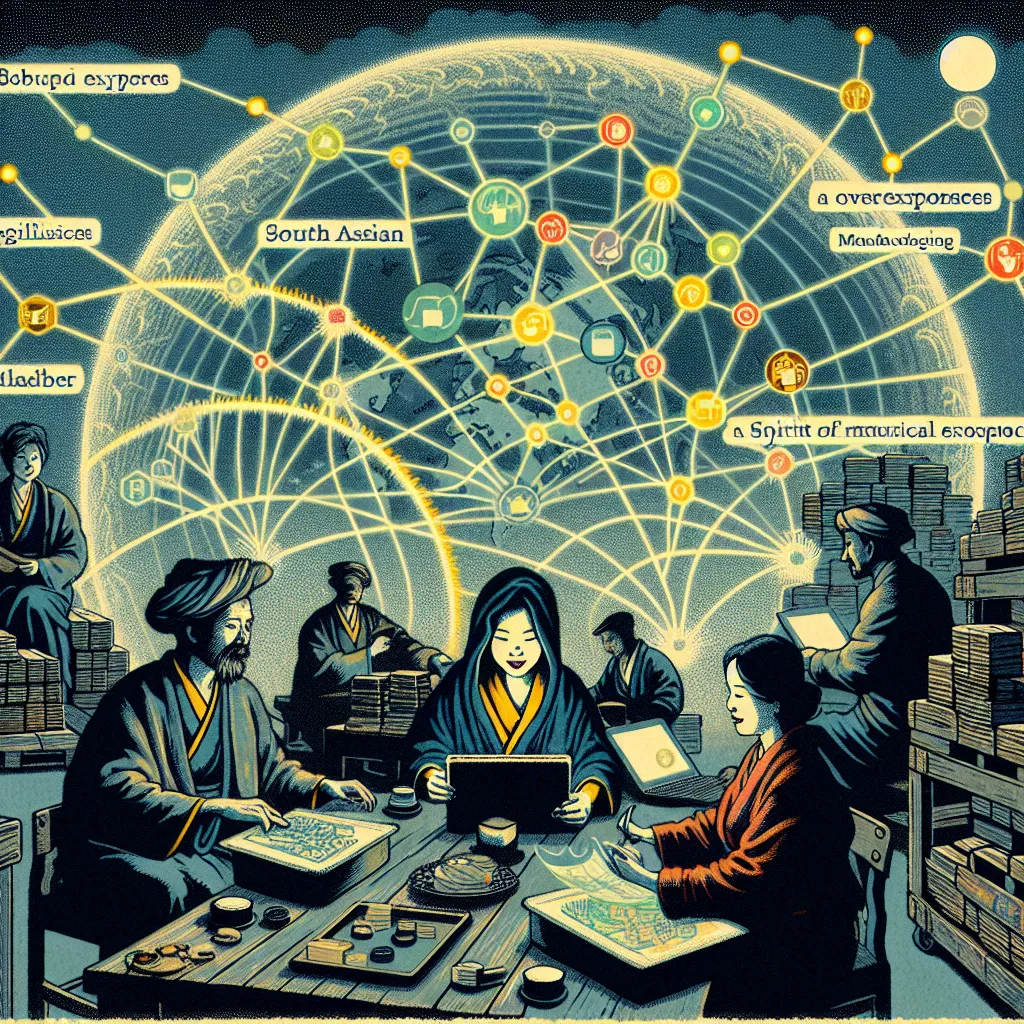
Description
No additional description provided.
The Pitch
In the realm of B2B transactions, suppliers often face the significant challenge of managing credit risk due to a lack of comprehensive visibility into a buyer's total financial exposure. Currently, many suppliers rely solely on their direct experiences with buyers, which creates potential vulnerabilities. This systemic opacity can become particularly problematic during times of market stress, leading to cascading failures if too many suppliers unwittingly overextend credit to the same buyer. To address this issue, the development of a unified risk management platform—referred to here as a risk graph engine—can provide substantial value.
Backstory
In today’s fast-paced business climate, B2B suppliers must navigate complex financial relationships. These relationships often involve extending credit terms based on limited data about a buyer’s overall financial engagements. This siloed approach does not allow suppliers to see the bigger picture of a buyer’s obligations and commitments across the entire business ecosystem. As a result, suppliers may find themselves overexposed if a buyer is engaging with multiple vendors and is over-leveraged.
Problem
The absence of a centralized system for tracking interdependencies between buyers and suppliers can lead to significant financial risk. When multiple suppliers extend credit unknowingly to the same financially strained buyer, they may collectively suffer if the buyer defaults. This interconnected risk is exacerbated during economic downturns or market instability, where cash flow issues become more pronounced. Suppliers are left to bear the brunt of non-payment and may face their own financial repercussions, often leading to a domino effect across industries.
Solution
The proposed solution is a risk graph engine that integrates with various enterprise resource planning systems and accounts payable/receivable platforms. This tool would build a shared, dynamic map of financial obligations between entities, allowing suppliers to gain greater insight into the credit exposure of buyers across the board. By identifying overlapping dependencies and potential systemic risks, suppliers can make informed decisions about extending credit terms.
Product Details
The risk graph engine would consist of these key components:
1. Integration Capabilities: Seamlessly connect with leading ERP and AP/AR systems to gather and combine data.
2. Interactive Visual Dashboard: Present a comprehensive view of buyer-supplier engagements, highlighting risk hotspots and trends.
3. Real-time Alerts: Provide notifications to suppliers about their current exposure levels and emerging risks in the ecosystem.
4. Predictive Analytics: Use machine learning algorithms to forecast potential defaults and risk scenarios.
5. Security and Compliance: Ensure that all data is managed securely and in accordance with privacy regulations.
Launch Tools for MVP
To streamline the development and launch of an MVP, consider leveraging the following tools:
1. Cloud-Based Databases: Services such as AWS or Google Cloud for scalable data management.
2. API Platforms: Use platforms like Zapier or MuleSoft for quick and efficient ERP integrations.
3. Data Visualization: Employ tools like Tableau or Power BI for crafting the interactive dashboards.
4. AI/ML Frameworks: Utilize TensorFlow or Scikit-learn for building predictive models.
GTM Strategy
The go-to-market (GTM) strategy involves:
1. Targeting Early Adopters: Focus on industries where credit risk is most pronounced, such as logistics and supply chain.
2. Thought Leadership: Publish whitepapers and case studies showcasing the benefits and insights gained from the risk graph engine.
3. Partnership Development: Collaborate with ERP vendors to integrate offerings and expand market reach.
4. Pilot Programs: Implement small-scale trials with potential clients to refine the product and demonstrate value.
Business Model
The business model could include:
1. Subscription-Based Pricing: Charge monthly or yearly fees based on the number of users or volume of data processed.
2. Tiered Service Levels: Offer different pricing tiers based on features and analytics depth.
3. Consulting Services: Provide additional consultancy to help companies interpret data and integrate insights into their operations.
This comprehensive approach to developing and launching a risk graph engine aims to transform credit risk management in the B2B sector, offering suppliers a powerful tool to safeguard their financial health and foster more stable business outcomes.