Rewiring-Aware Tool Enhances Skill Learning Efficiency
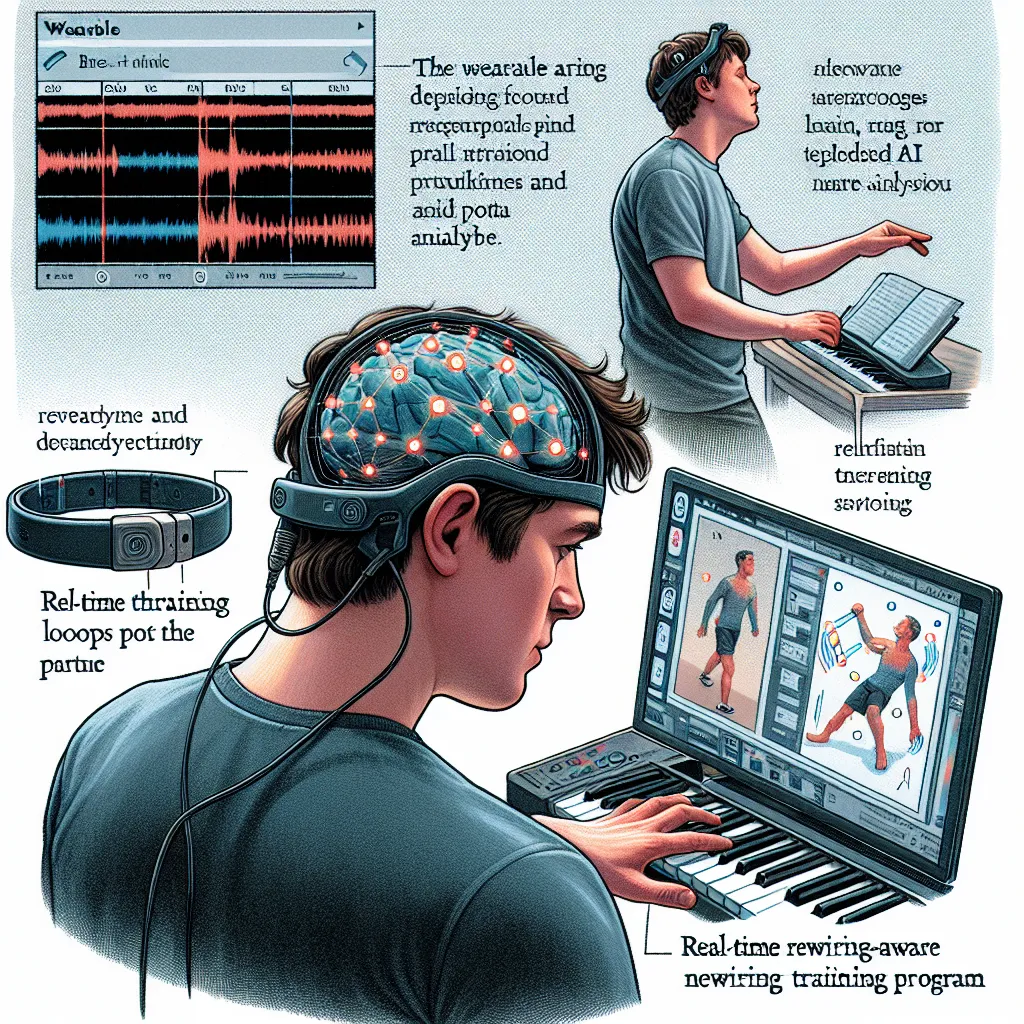
Learning a new skill—like playing piano or recovering after a stroke—is inefficient because we don’t know when the brain is actually rewiring. The solution: a wearable tool that tracks motor activity and combines it with known patterns of thalamocortical rewiring to tell users when to push or rest. UCSD researchers showed motor learning physically rewires circuits between the thalamus and cortex, not just activating them. This unlocks the ability to build “rewiring-aware” training programs. Why now? Affordable EEG, muscle sensors, and real-time AI feedback loops can create personalized regimens. Example: A stroke patient doing daily hand exercises could be told to pause for the day at a neural “plateau,” improving retention and avoiding burnout. Instead of guessing how long to train, users would be guided by their brain’s current wiring state—unlocking faster, smarter learning curves in sports, rehab, or skills education.
Description
No additional description provided.
The Pitch
The process of acquiring new skills, such as learning to play a musical instrument or recovering motor skills after a stroke, can often be inefficient and frustrating. This inefficiency largely stems from a lack of understanding about the precise moments when the brain undergoes neural rewiring, which is critical to learning and recovery. Recent research from UCSD has demonstrated that motor learning involves physical changes in the neural circuits between the thalamus and cortex. Leveraging this insight can revolutionize training programs by introducing a mechanism that understands when the brain is most effectively rewiring.
**The Problem**
Currently, individuals learning new skills or undergoing rehabilitation follow generic training schedules. These schedules do not account for the individual’s unique neural states, resulting in several issues:
1. Inefficient learning and recovery processes, as users may train during periods of low neural receptivity. 2. Potential burnout and decreased motivation due to ineffective training sessions. 3. Prolonged skill acquisition timelines, impacting outcomes in sports, rehabilitation, and education.
**The Solution**
The proposed solution is a wearable device that tracks motor activity and combines this data with known patterns of thalamocortical rewiring. This device will provide real-time feedback, indicating optimal periods for practice and rest. By aligning training schedules with the brain’s wiring state, users can maximize learning efficiency and avoid overtraining.
**Product Details**
The wearable tool integrates affordable EEG sensors to monitor neural activity, along with muscle sensors to track motor performance. This data feeds into an AI system that identifies patterns of neural rewiring, providing users with personalized guidance on when to continue practicing and when to take a break. Key features include:
- Real-time feedback on optimal training times. - Adaptive training programs tailored to the user’s neural state. - Compatibility with various skill learning and rehabilitation activities.
**Tools for MVP Launch**
To develop and launch this minimum viable product efficiently, the following tools and technologies can be utilized:
- Wearable sensor technology for EEG and muscle activity monitoring. - AI algorithms for pattern recognition and feedback generation. - Mobile or desktop applications for user interaction and data visualization. - Rapid prototyping platforms for hardware development.
**Go-To-Market Strategy**
1. **Market Research and Validation**: Conduct extensive market analysis to identify early adopters in fields such as stroke rehabilitation centers, sports training facilities, and educational institutions.
2. **Partnerships**: Collaborate with medical and educational organizations to pilot the technology and gather real-world feedback.
3. **Awareness Campaigns**: Launch marketing campaigns highlighting the benefits of personalized training regimens and the science behind neural rewiring.
4. **Product Launch**: Introduce the product through targeted channels, offering demos and trial versions to generate user interest and early adoption.
**Business Model**
The business model will focus on three main revenue streams:
1. **Direct Sales**: Sell the wearable device to individuals, clinics, and institutions seeking enhanced training and rehabilitation solutions.
2. **Subscription Model**: Offer a subscription-based service for access to advanced features, continuous updates, and personalized training insights.
3. **Licensing**: License the technology to fitness and rehabilitation equipment manufacturers, expanding its integration and reach.
By aligning neurofeedback technology with skill acquisition and rehabilitation, this innovation aims to transform the way individuals learn and recover, making the process more efficient, personalized, and effective.