Revolutionizing Psychedelic Clinics with Specialized Software
A new category of psychiatric medicine is emerging in which patients receive a single dose of a psychedelic compound and remain under medical supervision at a specialty clinic for six to eight hours afterward. Roughly seven thousand three hundred such clinics now exist in the United States, built up over the past several years to administer Spravato, Johnson and Johnson’s ketamine-based nasal spray for depression. Every single one of these clinics runs on software that was not designed for the workflow. Standard medical records systems were built around fifteen-minute doctor appointments. These visits are full-day. Billing requires two separate code sets, one for administering the drug and one for the behavioral health monitoring. Federal rules require documented in-room observation. The clinics manage all of this with spreadsheets, shared calendars, and manual reconciliation. The opportunity is a software platform built specifically for this category: scheduling for full-day appointments, integrated dual billing, automated safety attestation, monitor staffing rotation, video observation storage, and patient screening workflows. Compass Pathways is preparing to launch a synthetic version of psilocybin (the active ingredient in magic mushrooms) within the next twelve to eighteen months, and it will run on the same clinic footprint. Three more psychedelic drug candidates have just received FDA fast-track review status. The clinic count is set to double over the next thirty-six months and no incumbent software vendor is building for this segment. The first two hundred contracts close as upgrades from spreadsheets, not as greenfield sales. Mindbloom, Field Trip Health, and Numinus run the largest existing clinic networks and all of them rely on cobbled stacks today. Wedge in via the most credentialed providers, ride the next wave of approvals, and own the operating system for an entirely new corner of psychiatric care.
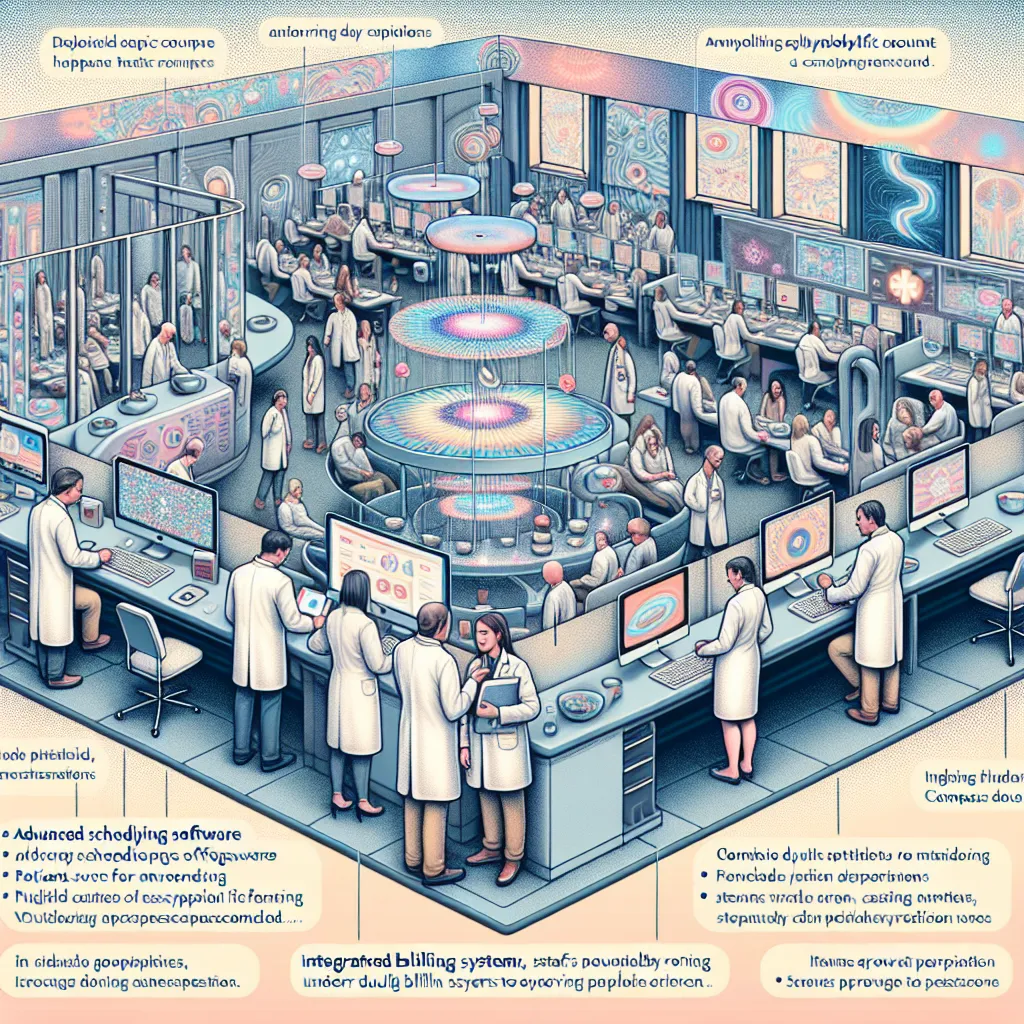
Description
No additional description provided.
The Pitch
Over the past several years, there has been significant growth in a novel category of psychiatric medicine involving psychedelic compounds. These treatments typically entail patients receiving a single dose of a psychedelic compound while remaining under medical supervision at specialty clinics for a duration of six to eight hours. As of now, approximately seven thousand three hundred such clinics exist across the United States. These facilities were initially established to administer Spravato, Johnson and Johnson’s ketamine-based nasal spray for depression.
However, these clinics face a critical challenge: the current software systems they rely on were not designed to support their unique workflow. Existing medical records systems are optimized for short, fifteen-minute doctor appointments, whereas psychedelic therapy visits require all-day support. This mismatch leads to inefficiencies and increased complexity in clinic operations.
---
### The Problem
The clinics encounter several issues with their current system setup: - Scheduling limitations for full-day appointments. - Dual billing requirements involving separate code sets for drug administration and behavioral health monitoring. - Compliance with federal regulations mandating documented in-room observation. - Inefficient workflow management using spreadsheets, shared calendars, and manual reconciliation. - Lack of integrated tools to monitor staffing rotations, store video observations, and manage patient screening.
As a result, clinic managers juggle multiple disconnected systems, affecting the quality of patient care and operational efficiency.
---
### The Solution
There is a distinct opportunity to develop a software platform specifically designed to address the unique needs of these clinics. The proposed solution would integrate several key functionalities:
- **Advanced Scheduling Tools:** Facilitate seamless coordination of full-day appointments. - **Integrated Dual Billing System:** Streamline financial operations by supporting both drug administration and behavioral health monitoring codes. - **Automated Safety Attestation:** Ensure compliance with federal regulations through automated documentation and monitoring. - **Efficient Staffing Management:** Optimize staff rotations and allocations with robust management features. - **Video Observation Storage:** Securely store and manage observation footage for compliance and quality assurance. - **Patient Screening Workflows:** Implement customized workflows to streamline patient intake and assessment procedures.
---
### Product Details & Tools for MVP Launch
To launch this software as a Minimum Viable Product (MVP), the following components and strategies will be essential:
- **Cloud-Based Infrastructure:** Leveraging platforms like AWS or Azure to ensure scalability and data security. - **User-Friendly Interface:** Design an intuitive user experience suitable for medical and administrative staff. - **APIs for Integration:** Develop APIs to ensure compatibility with existing electronic health record (EHR) systems. - **Data Security Compliance:** Adhere to HIPAA and other relevant data protection regulations. - **Modular Architecture:** Allow clinics to select and customize functionalities based on their specific needs.
---
### Go-To-Market Strategy
1. **Target Early Adopters:** - Focus on top-performing clinics within networks like Mindbloom, Field Trip Health, and Numinus. - Position the software as an upgrade from manual spreadsheet methods.
2. **Build Strategic Partnerships:** - Collaborate with key industry stakeholders, including Compass Pathways as they prepare to release a synthetic version of psilocybin.
3. **Educate the Market:** - Host webinars, workshops, and training sessions to demonstrate the value and potential ROI of the new platform.
4. **Leverage Industry Events:** - Attend and sponsor industry conferences and symposiums to enhance visibility and credibility.
5. **Customer Success Initiatives:** - Establish a dedicated customer success team to ensure smooth onboarding and ongoing support for clinics adopting the software.
---
### Business Model
The business model will revolve around a subscription-based SaaS offering with tiers that scale according to the size and specific needs of each clinic. Additional revenue can be generated from consulting services for implementation and potentially developing custom integrations for large network clients.
---
By leveraging the momentum of emerging therapies and regulatory changes, this bespoke software platform can become the cornerstone of an innovative approach to psychiatric care, positioning itself as the go-to solution for an entire industry shift. The unique alignment of timing, technology, and market demand presents a compelling case for investing in and developing this solution.