Revolutionizing Pet Food with Cultivated Meat
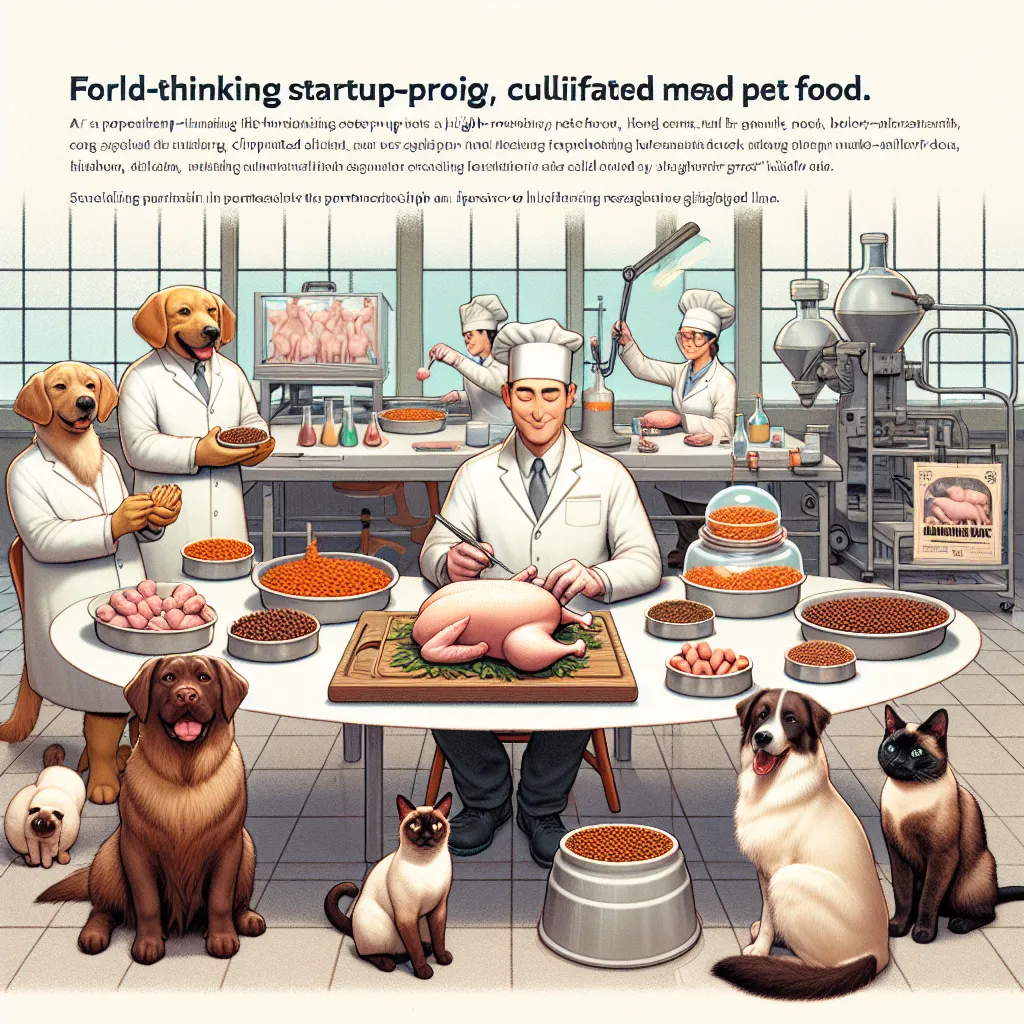
Pet food is one of the fastest paths to mass-market commercialization for cultivated meat. It faces fewer regulatory barriers and ethical debates than human food. This startup would build a DTC or B2B platform for high-protein, cultivated meat-based pet food. It could start with lab-grown chicken for cats or dogs who need hypoallergenic diets, and partner with cultivated meat labs looking for early revenue. For example, a dog food brand could offer a premium “slaughter-free” kibble line using chicken grown entirely from cells.
Description
No additional description provided.
The Pitch
Cultivated meat represents a significant innovation in the global food industry, offering a sustainable and ethical alternative to traditional meat production. One of the most promising applications of this innovation is in the pet food sector, where there is a growing demand for high-quality, hypoallergenic, and ethically sourced products. The pet food industry presents a less regulated and ethically charged market compared to human consumption, making it an ideal starting point for commercialization. This proposal outlines the rationale, opportunity, and pathway for developing a direct-to-consumer or business-to-business platform focused on high-protein, cultivated meat-based pet food.
Background: As consumer awareness around sustainability and animal welfare grows, there is an increasing demand for meat products that minimize ethical concerns and environmental impact. While the human food market is saturated with debates and rigorous regulatory challenges concerning cultivated meat, the pet food industry offers a more accessible entry point. Pets do not face the same ethical considerations, and the need for specialized diets, such as hypoallergenic options, is increasing. This market dynamic provides a unique opportunity for an innovative product line centered around cultivated meat.
Identifying the Problem: Traditional pet food relies on the mass production of animal-derived ingredients, which are often linked to environmental degradation, ethical concerns, and allergenic responses in pets. Many pet owners are seeking alternatives that provide the nutritional benefits of meat without the associated drawbacks. The primary challenges include:
1. Ethical concerns about animal welfare in meat production. 2. Environmental impacts such as greenhouse gas emissions and resource depletion. 3. The need for hypoallergenic pet food options due to the prevalence of pet allergies.
The Solution: Introducing a cultivated meat-based pet food line could address these challenges by providing:
1. A slaughter-free source of high-quality protein for pet diets. 2. A smaller environmental footprint compared to conventional meat production. 3. Hypoallergenic properties tailored to sensitive pets, leveraging the pure composition of lab-grown meat.
Product Details: The proposed product line will focus initially on cultivated chicken for its broad acceptability and nutritional profile. This premium product could include:
1. Dry kibble infused with lab-grown chicken protein. 2. Wet pet food options offering cultivated meat for enhanced palatability. 3. Specialized formulas targeting specific dietary needs, including hypoallergenic and senior pet options.
Tools for MVP Launch: To facilitate the successful launch and iteration of a Minimum Viable Product, the following resources and strategies should be considered:
1. Partnering with existing cultivated meat laboratories to source the raw materials. 2. Leveraging rapid prototyping tools for product formulation and testing. 3. Utilizing e-commerce platforms to achieve a direct-to-consumer approach. 4. Implementing consumer feedback loops to refine and adapt product offerings.
Go-To-Market Strategy: The market introduction will involve strategic steps to maximize impact and adoption:
1. Focusing on early adopters, particularly environmentally conscious and ethically driven pet owners. 2. Building partnerships with ethical pet food retailers to access broader distribution channels. 3. Launching targeted digital marketing campaigns to raise awareness and encourage trials. 4. Establishing a strong brand narrative around sustainability and animal welfare.
Business Model: The business model will aim for both direct-to-consumer and B2B channels, leveraging:
1. Subscription-based offerings for consistent revenue. 2. Bulk pricing for veterinary clinics and specialty pet stores. 3. Scaling partnerships with cultivated meat producers to reduce costs over time.
Conclusion: The launch of a cultivated meat-based pet food line offers a pioneering path to commercialization with fewer barriers and significant potential impact. By aligning with consumer demands for sustainability, ethics, and specialized nutrition, this venture can pave the way for the broader acceptance and integration of cultivated meat products.