Revolutionizing Materials with AI-Driven Innovations
The next breakthrough in climate, medicine, and construction won’t be software—it’s new materials. The opportunity is a platform that simulates and manufactures novel materials using AI-driven design + automated fabrication. Why now? We finally have AI models that predict physical properties before experimentation. Imagine carbon-negative cement, self-healing plastics, or heat-reflective roofing tiles. It compresses decades of R&D into months.
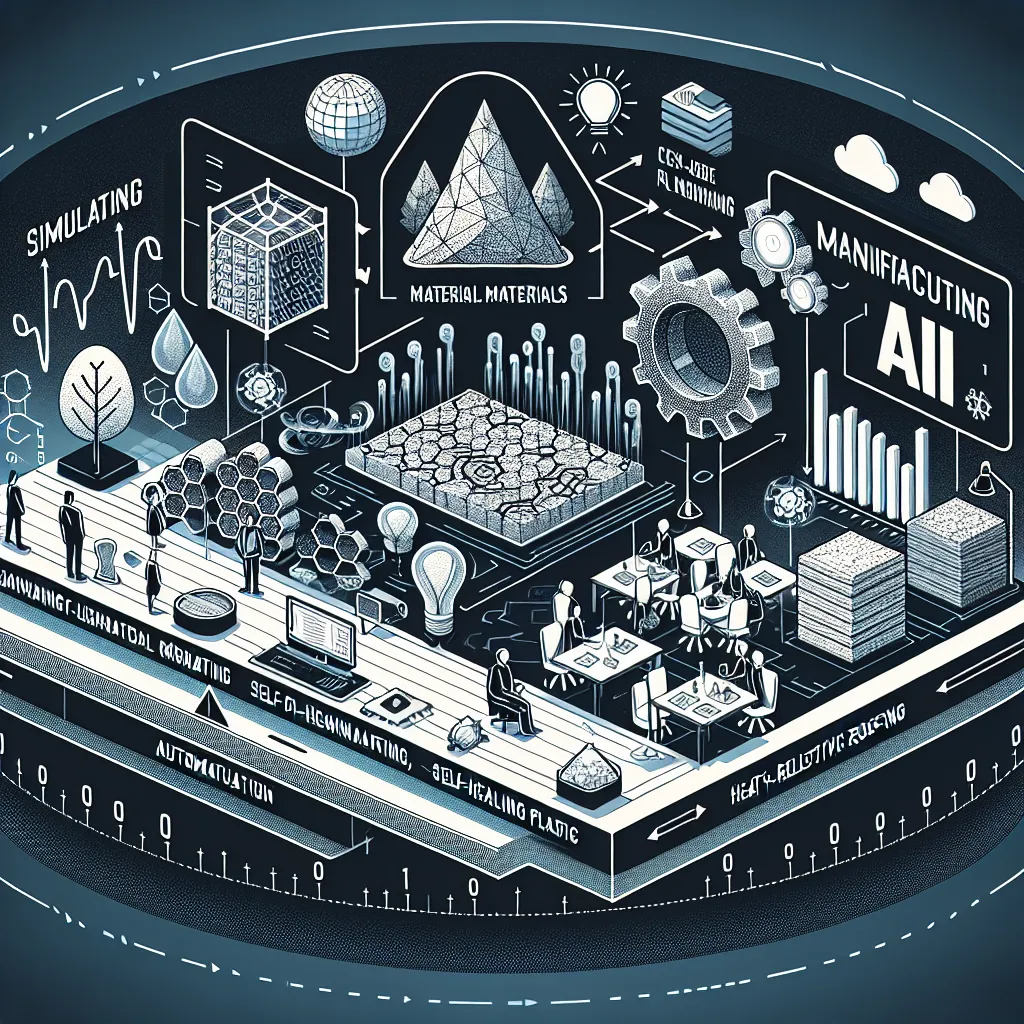
Description
No additional description provided.
The Pitch
In recent years, we have witnessed remarkable breakthroughs in various domains, yet one area that holds unparalleled potential for transforming the world is the development of novel materials. Historically, the discovery and refinement of new materials have been slow and labor-intensive, often stretching over decades. However, the convergence of artificial intelligence (AI) and automated fabrication technologies presents a unique opportunity to revolutionize this field, expediting the creation of innovative materials that could have applications across climate, medicine, and construction.
Backstory
Material science has traditionally relied on empirical methods of experimentation, involving trial-and-error and extensive validation processes. This has led to prolonged timelines and significant resource investment in bringing new materials to market. However, recent advances in AI have transformed these dynamics. AI models now possess the capability to accurately predict the physical properties of materials before any real-world experimentation is undertaken. This capability can significantly shorten the research and development (R&D) cycle, greatly enhancing the productivity and competitiveness of an innovation-driven economy.
Problem
Despite the immense potential of AI, the material science industry still grapples with significant challenges. First, there is a lack of a centralized platform for simulating and manufacturing novel materials using advancements in AI and automated fabrication. Second, many organizations have limited access to the immense computational resources and expertise needed to develop such ground-breaking innovations. These limitations hinder our ability to create next-generation materials such as carbon-negative cement, self-healing plastics, or heat-reflective roofing tiles, all of which could have profound environmental effects.
Solution
The solution is the establishment of an integrated platform that merges AI-driven design with automated fabrication to pioneer groundbreaking materials. By leveraging AI models that accurately predict material properties, the platform enables rapid iterations of novel materials for diverse applications. This approach can not only compress the time and resource investment required but also spur innovation across industries, setting a new benchmark in material science.
Product Details
The envisioned platform would include:
1. AI-Based Simulation: Advanced AI models that simulate and predict material properties, aiding in the identification of promising material compounds.
2. Automated Fabrication: A suite of fabrication technologies capable of quickly producing prototypes, enabling rapid testing and validation of properties.
3. User-Friendly Interface: An intuitive interface for scientists and engineers, allowing easy interaction with simulation results and fabrication tools.
4. Cloud Infrastructure: Robust cloud-based infrastructure capable of handling the computational demands needed for high-fidelity simulations.
5. Collaborative Tools: Built-in collaboration features, enabling multidisciplinary teams to work seamlessly from disparate geographical locations.
Tools for MVP Launch
To build and launch a minimum viable product (MVP), the following tools would be instrumental:
1. Cloud Computing Platforms: Utilize services like AWS, Azure, or Google Cloud for scalable and secure cloud infrastructure. 2. AI Development Platforms: Employ tools like TensorFlow or PyTorch for developing and training predictive AI models. 3. Automated Fabrication Machines: Partner with manufacturers of 3D printers and additive manufacturing platforms. 4. Simulation Software: Leverage existing simulation software, potentially integrating open-source options with proprietary models.
GTM Strategy
1. Target Market Identification: Begin with industries where new materials would offer immediate impact, such as construction, aerospace, and healthcare. 2. Strategic Partnerships: Collaborate with universities, research institutions, and R&D departments of leading companies to expand both reach and credibility. 3. Demonstration Projects: Launch pilot projects to showcase the platform’s capabilities and drive industry adoption. 4. Content Marketing: Create educational content highlighting the benefits and capabilities of AI-driven material science.
Business Model
1. Subscription-Based: Offer tiered subscription models for different levels of platform access and computational capacity. 2. Licensing: License AI models and intellectual property to interested companies in the material science domain. 3. Consultation Services: Provide additional revenue through expert consultation on project implementation and customization of materials.
Conclusion
This transformative platform positions itself at the intersection of technology and material science, harnessing the capabilities of AI and automation to eradicate traditional barriers in material discovery and implementation. By dramatically shortening R&D timelines and broadening the horizon of possibilities, this venture not only sets a new standard in innovation but also opens pathways to unravel unprecedented accomplishments in climate, medicine, and construction.