Revolutionizing Fashion with Blockchain 'Digital Twins'
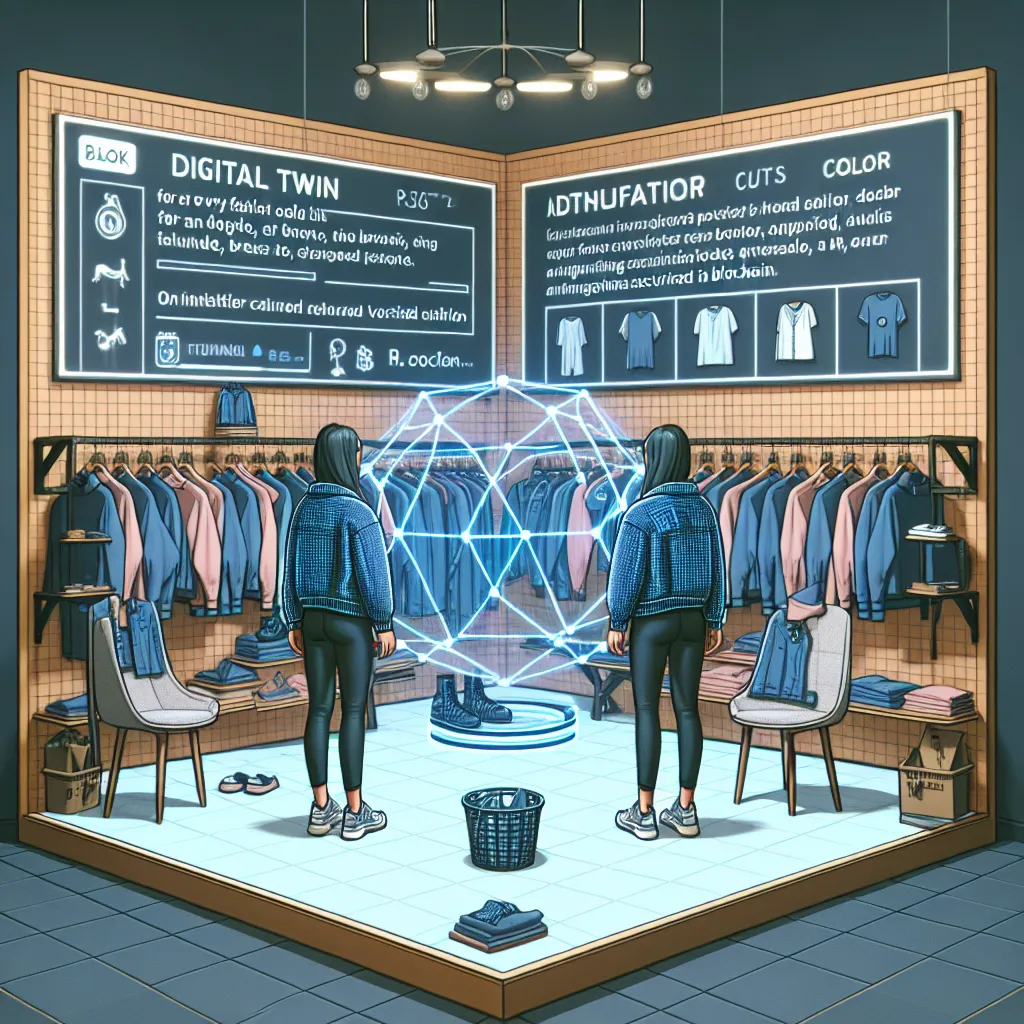
There’s no universal layer that connects physical clothes to their digital counterparts — limiting resale, styling, and virtual try-ons. This startup builds a “digital twin” for every piece of clothing sold through partner brands. It creates a 3D asset with verified metadata (color, cut, brand, condition) stored in a blockchain-secured vault. Consumers can use the twin for AR styling, resale authentication, or even avatar dressing. 2025’s merge of digital and physical fashion makes this infrastructure essential. For example, a resale app could use the twin to show how a used jacket fits on your body or match it to a Sims-like avatar. It’s like a Carfax history report meets Fortnite skins for fashion.
Description
No additional description provided.
The Pitch
In the evolving landscape of fashion, the integration of digital and physical assets remains fragmented. As technology advances, there's a growing need to bridge this gap, providing a seamless experience that enhances authenticity, style, and utility. Addressing this need is the concept of creating a digital twin for every piece of clothing sold through partner brands. This innovation aims to revolutionize the way consumers interact with fashion items, both in the real and virtual worlds.
Background:
The fashion industry has long faced challenges with resale authenticity, virtual try-ons, and digital styling. Consumers, as well as brands, often struggle with verifying the history and condition of pre-owned items or representing them accurately in digital environments. This disconnect hinders the resale market's potential and limits the ability to leverage augmented reality for styling purposes. As the overlap between digital and physical fashion intensifies, particularly with the rise of virtual reality and gaming environments, a foundational layer that links these two realms becomes critical.
Problem:
1. Lack of a universal standard for representing physical clothing in digital formats. 2. Challenges in verifying the authenticity and condition of resale items. 3. Limited options for virtual try-ons and avatar dressing that accurately represent physical clothes. 4. Fragmented experiences that prevent seamless integration of physical attire in digital platforms.
Solution:
The proposed solution involves the creation of a digital twin for each clothing item sold through partner brands. This digital representation is a 3D asset that includes verified metadata, such as color, cut, brand, and condition. All information is securely stored using blockchain technology, ensuring authenticity and preventing tampering. This digital twin can be accessed across multiple platforms, enabling applications such as augmented reality styling, resale authentication, and avatar dressing.
Product Details:
1. **Digital Asset Creation**: For each piece of clothing, a digital twin is created using 3D scanning and modeling technology. The asset also contains metadata verified and secured via blockchain.
2. **Blockchain Security**: The metadata for each digital twin is stored in a blockchain vault, ensuring transparency and authenticity. This feature is particularly valuable for the resale market, as it serves as a reliable certificate of authenticity and condition.
3. **Cross-Platform Integration**: The digital twin can be integrated into various apps and platforms, allowing users to: - Virtually try on clothing using augmented reality. - Authenticate the condition and history of resale items. - Dress digital avatars in gaming or virtual environments.
4. **Partnerships with Brands**: Collaborations with fashion brands ensure that digital twins are available upon purchase, enhancing the customer experience and adding value to each item.
Tools for MVP Launch:
1. **3D Scanning Software**: Tools like CLO or Browzwear can be used to create realistic 3D models of clothing items. 2. **Blockchain Platform**: Consider using platforms like Ethereum or Polygon for secure storage of metadata. 3. **Augmented Reality SDKs**: Utilize SDKs such as ARKit or ARCore to enable virtual try-ons and styling experiences. 4. **E-commerce Integration**: Leverage APIs to integrate digital twins with existing e-commerce platforms and resale apps.
Go-To-Market Strategy:
1. **Early Partnerships**: Begin by partnering with select fashion brands to pilot the digital twin technology and demonstrate its value. 2. **Consumer Education**: Create marketing campaigns to educate consumers on the benefits of digital twins, highlighting ease of use, authenticity, and enhanced styling options. 3. **Resale Market Focus**: Target resale platforms to adopt digital twins as a standard for verifying item authenticity and condition. 4. **Influencer Collaborations**: Work with influencers in fashion and gaming spaces to showcase the technology’s applications and generate buzz.
Business Model:
1. **B2B Partnerships**: Charge fashion brands a subscription or licensing fee to provide digital twin services for their products. 2. **Transaction Fees**: Implement a small fee on each transaction involving digital twins on resale platforms. 3. **Marketplace Integration**: Develop a marketplace or integrate with existing ones, where consumers can access and utilize their digital twins for a variety of applications. 4. **Premium Features**: Offer advanced AR experiences and exclusive avatar outfits as part of a premium consumer subscription.
The emergence of digital fashion combined with physical attire represents a significant opportunity. By providing the necessary infrastructure to connect these worlds, the proposed solution offers value to brands, consumers, and technology platforms alike, setting the stage for a new era in fashion innovation.