Revolutionizing Energy with Graphene Superconductors
Electricity grids today waste nearly 10% of generated power as heat, a staggering inefficiency that costs billions and accelerates climate change. Traditional superconductors could eliminate these losses, but they require extreme cooling—near absolute zero—and rely on costly materials like niobium. The recent MIT discovery of unconventional superconductivity in twisted trilayer graphene changes everything. It suggests that we may achieve superconductivity through a new mechanism, one that could function at far higher temperatures using lightweight, flexible carbon structures. QuantumGrid builds on this breakthrough to design next-generation zero-loss power cables, using graphene-based superconducting materials that drastically reduce energy waste while maintaining stability in standard industrial environments. The company would focus first on high-density transmission for data centers and renewable energy farms, where efficiency gains translate directly into savings. As fabrication methods mature, QuantumGrid could enable the first scalable, room-temperature superconducting grid—reshaping how the world moves energy.
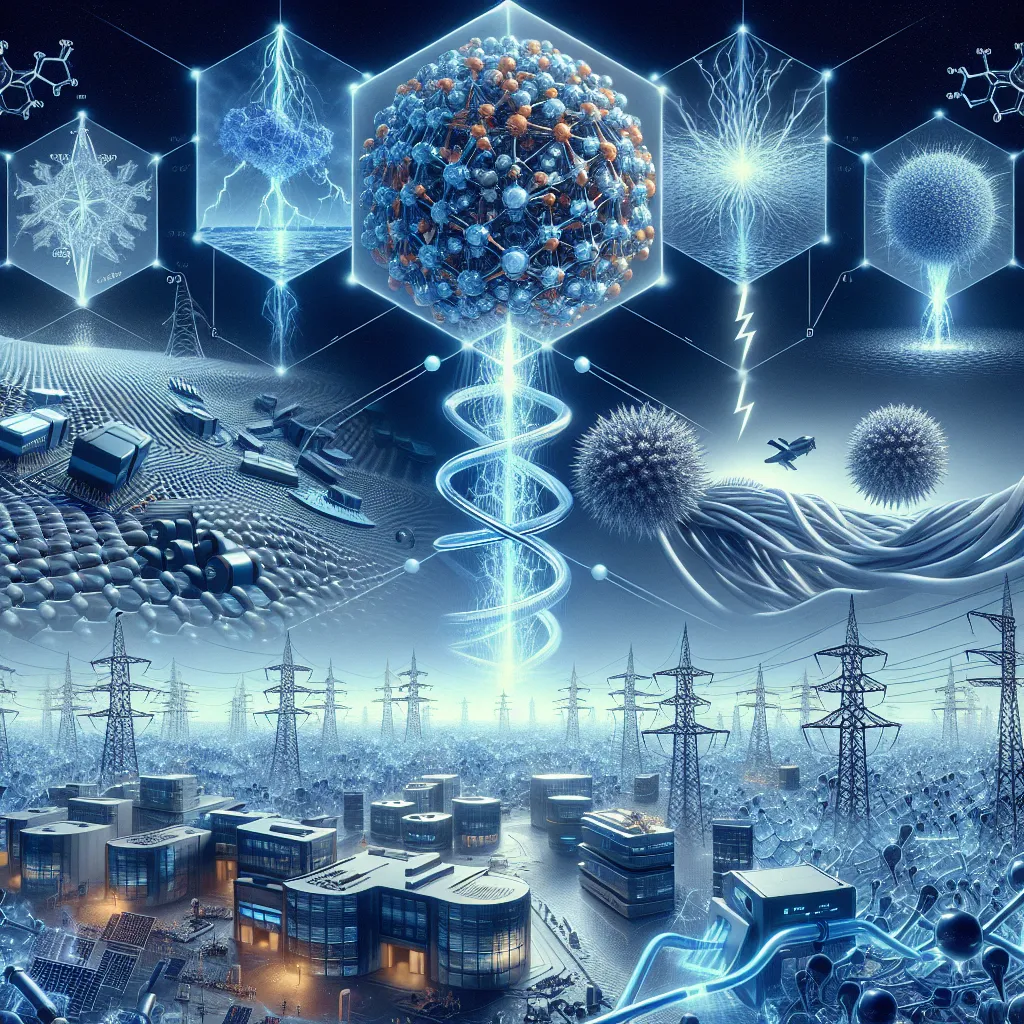
Description
No additional description provided.
The Pitch
Electricity grids around the world face a substantial efficiency challenge, losing nearly 10% of generated power as heat. This inefficiency not only costs billions of dollars annually but also contributes significantly to climate change. Traditional superconductors offer a solution by eliminating these losses, yet they demand extreme cooling near absolute zero and depend on expensive materials such as niobium, limiting their practical utility.
A groundbreaking discovery by MIT researchers of unconventional superconductivity in twisted trilayer graphene opens a new frontier in this domain. They suggest the possibility of achieving superconductivity through an innovative mechanism, potentially operating at significantly higher temperatures using lightweight, flexible carbon structures.
Enter QuantumGrid, a pioneering initiative aiming to capitalize on this breakthrough. It seeks to develop next-generation zero-loss power cables using graphene-based superconducting materials. These materials are expected to drastically reduce energy waste while remaining stable in conventional industrial settings. Initially, QuantumGrid will focus on areas with high-density power transmission needs, such as data centers and renewable energy farms. These sectors can realize direct financial gains and increased efficiency from reduced energy waste. As fabrication techniques and technologies evolve, QuantumGrid envisions creating the first scalable, room-temperature superconducting grid, revolutionizing global energy distribution.
For those interested in bringing QuantumGrid to fruition, the following framework highlights key aspects crucial for development, market introduction, and long-term growth:
**Backstory** The key to QuantumGrid's potential lies in recent scientific advancements in unconventional superconductivity using graphene. These developments eliminate previous superconductor limitations, thereby introducing new possibilities for broader usage without the need for extreme cooling or expensive materials.
**Problem** Current electricity grids are plagued by significant inefficiencies due to energy losses as heat. Traditional superconductors require costly and impractical conditions, hindering widespread adoption.
**Solution** QuantumGrid leverages the unique properties of graphene-based superconductors to develop efficient, zero-loss power cables that function under standard industrial conditions without expensive cooling mechanisms.
**Product Details** QuantumGrid's cables are designed using graphene-based superconducting materials, offering: - High efficiency: Reduced energy waste translates into direct cost savings and environmental benefits. - Scalability: Designed for large-scale applications in industries such as data centers and renewable energy. - Stability: Operates under typical industrial conditions without requiring extreme cooling.
**Tools for Launching an MVP** 1. **Research and Development:** Collaborate with universities and research institutes to refine graphene fabrication techniques. 2. **Prototype Development:** Use advanced manufacturing tools and facilities to create working prototypes for testing. 3. **Testing and Validation:** Partner with industry leaders in targeted sectors for real-world testing and feedback.
**GTM Strategy** 1. **Market Segmentation:** Begin with high-density markets like data centers and renewable energy farms where efficiency gains are critical. 2. **Partnerships:** Collaborate with energy companies and government entities that prioritize innovation and energy efficiency. 3. **Brand Positioning:** Emphasize sustainability and cost-effectiveness in branding and marketing efforts to resonate with environmentally conscious stakeholders.
**Business Model** - **Direct Sales:** Supply graphene-based cables directly to large-scale operations seeking efficiency improvements. - **Licensing Agreements:** License technology to manufacturers and energy providers interested in adopting or integrating advanced superconducting materials. - **Service Maintenance Contracts:** Offer maintenance and support services for installed systems to ensure ongoing efficiency and reliability.
By targeting specific sectors and utilizing strategic partnerships, QuantumGrid aims to transform energy transmission and establish itself as a leader in the new era of sustainable energy solutions.