Revolutionizing Drug Delivery: From Needles to Patches
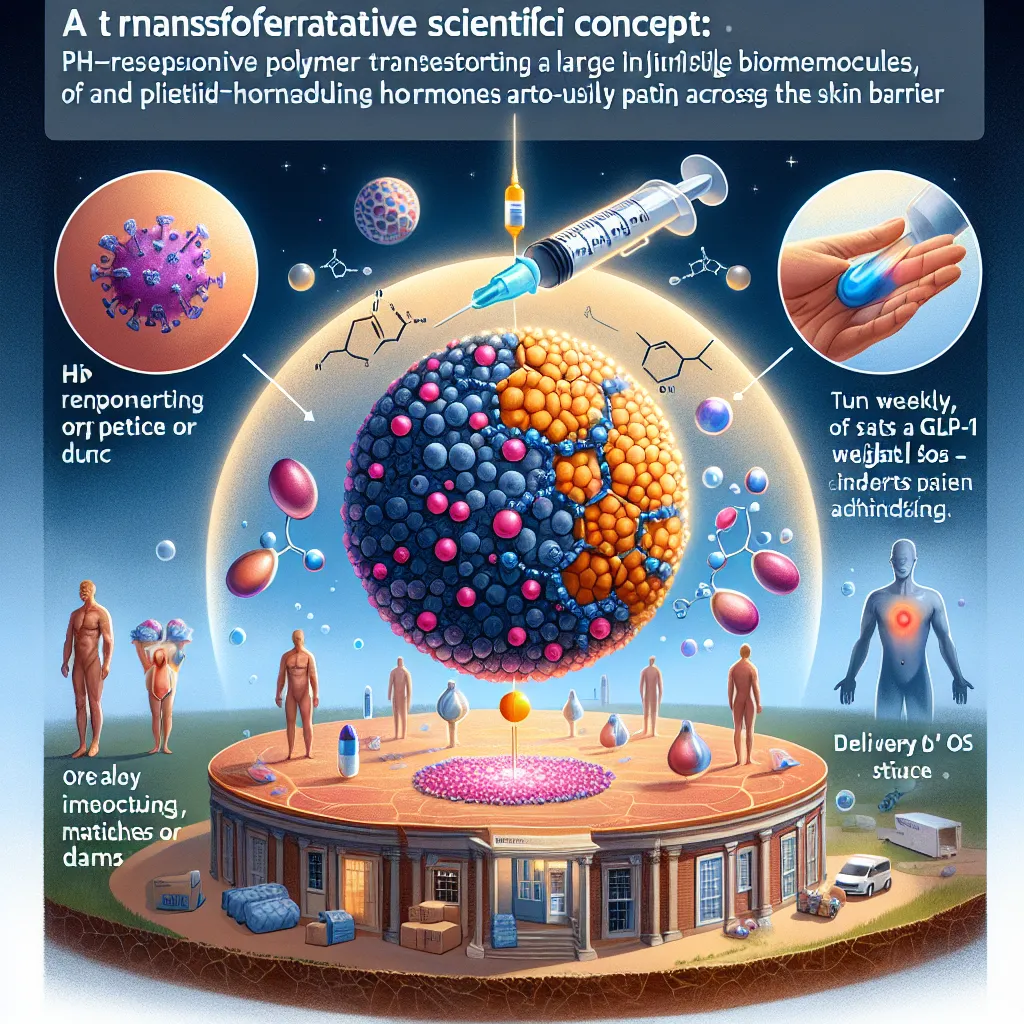
Injectable biologics—insulin, GLP-1s, peptide hormones—are trapped behind a painful delivery method that kills adherence and keeps millions tied to needles. A new pH-responsive polymer that ferries insulin through the skin proves that large biomolecules can now cross the epidermal barrier safely. A startup can build a platform that conjugates any peptide or protein therapy to similar polymers, turning injections into patches or creams. This becomes the “delivery OS” for biotech, letting drug makers skip painful injections entirely. Imagine a GLP-1 weight-loss drug currently given weekly by shot being reformulated into a once-daily patch validated by your platform.
Description
No additional description provided.
The Pitch
The modern landscape of pharmaceuticals has seen incredible advances, yet the delivery of biologic drugs like insulin, GLP-1s, and peptide hormones remains heavily reliant on traditional, often painful methods such as injections. This delivery method can impact patient adherence, limiting the effectiveness of treatments that are crucial for managing conditions like diabetes and obesity. Recent innovation in pH-responsive polymers offers a promising alternative that could transform drug delivery, improving patient experience and outcomes.
Backstory: For decades, patients dependent on biologics have faced the daily inconvenience and discomfort of needle-based delivery, a method that not only affects adherence but also quality of life. The necessity for frequent injections can discourage patients from following their treatment regimens, potentially worsening health outcomes. Meanwhile, the broader biotech industry struggles with finding less invasive, more patient-friendly delivery solutions for macromolecule-based therapeutics.
Problem: The core problem is the lack of a non-invasive, convenient delivery method for large biomolecules. Current injection-based delivery systems present multiple challenges, including pain, risk of infection, and reduced patient compliance. These challenges impact the effectiveness of treatment and can result in increased healthcare costs due to poor adherence and associated complications.
Solution: A pH-responsive polymer technology offers a breakthrough solution, capable of transporting biomolecules across the skin barrier effectively. By conjugating peptide and protein therapies to these polymers, it's possible to transform injectable drugs into topical formulations such as patches or creams. This innovative approach could redefine the landscape of drug delivery, making it significantly less invasive and more appealing to patients.
Product Details: The proposed platform would serve as a delivery operating system for biotech companies, allowing them to convert injectable drugs into non-invasive forms. The technology centers on pH-responsive polymers that adjust their structure in response to the skin's pH levels, effectively ferrying large molecules through the epidermis. This platform could initially target a pilot project with a GLP-1 weight-loss drug, converting it from a weekly injection into a once-daily patch validated by the platform.
Tools for MVP Launch: To develop a minimum viable product, a startup can leverage the following tools and methodologies: - Collaborate with research institutions for polymer synthesis and testing. - Utilize AI-driven modeling to predict polymer-drug interactions and optimize formulation. - Engage with contract development and manufacturing organizations for initial batch production. - Conduct small-scale clinical trials to validate safety and efficacy. - Use platforms like Kickstarter or Indiegogo for initial funding and market validation.
GTM Strategy: The go-to-market strategy involves a phased approach: 1. Build partnerships with biotech companies developing peptide or protein-based therapeutics to pilot the technology. 2. Launch pilot programs with promising candidates, focusing on chronic conditions that require long-term biologic therapy. 3. Conduct targeted marketing campaigns showcasing patient testimonials and demonstrating improved adherence and outcomes. 4. Present at industry conferences and publish in scientific journals to build credibility within the biotech community.
Business Model: The startup would operate on a partnership and licensing model, collaborating with pharmaceutical companies to integrate the delivery platform into their existing pipelines. Revenue streams could include technology licensing fees, milestone payments for development successes, and royalties on sales of reformulated products. Over time, the platform could expand into other therapeutic areas, creating new opportunities for collaboration and revenue growth.
Conclusion: This innovative approach to biomolecule delivery has the potential to dramatically improve patient experience and drug efficacy by eliminating the need for frequent injections. By establishing a versatile platform that can be adapted for various drugs and conditions, the startup not only addresses a significant pain point in drug delivery but also paves the way for a new era in biotech treatment options.