Revolutionizing Digital Touch with Advanced Haptic API
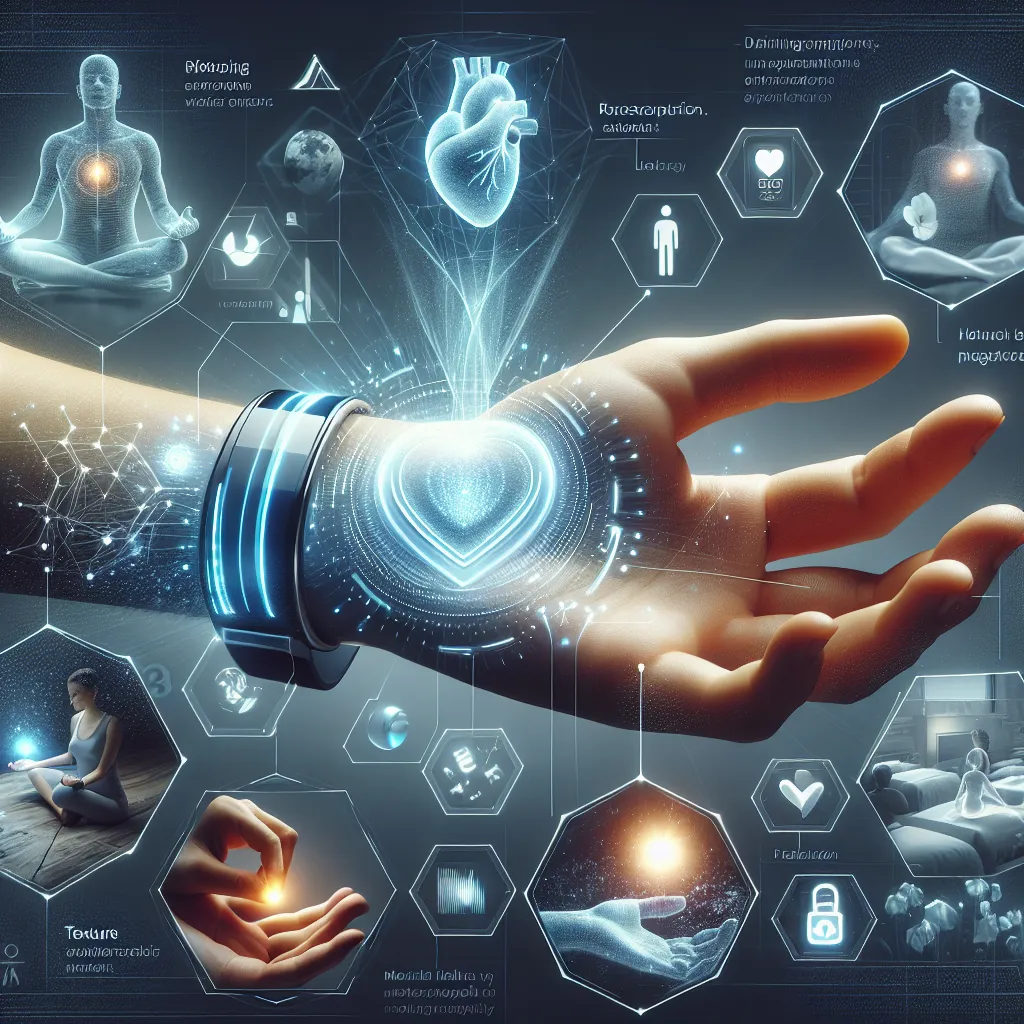
Most digital experiences are still touchless — even in VR or mobile apps — limiting immersion, emotion, and accessibility. While visual and audio feedback has advanced, haptic sensation remains basic and isolated. This startup offers a plug-and-play API that allows developers to embed realistic, localized artificial touch into apps using new soft skin tech that simulates pressure, texture, and motion. Now possible because recent research has significantly improved the realism and spatial resolution of artificial tactile systems. Developers can build deeper emotional experiences — from calming pressure in a meditation app to realistic recoil in a mobile shooter. For example, a mental health app uses this tech to simulate a heartbeat-like pulse on your wrist during breathwork, giving users a calming physical anchor. This unlocks a whole new interface layer: programmable digital touch.
Description
No additional description provided.
The Pitch
In today's digital landscape, the sense of touch remains largely untapped, with most digital interactions being limited to visual and auditory feedback. This limitation is especially evident in virtual reality environments and mobile applications, where the potential for immersive experiences remains underdeveloped. While audio-visual advancements have paved the way for more engaging digital interactions, haptic technology has lagged behind, providing only basic sensations that often feel isolated and disconnected from the experience itself.
This emerging opportunity has given rise to a startup that is addressing this gap by offering an innovative solution: a plug-and-play API designed for developers. This API allows for the integration of lifelike, localized artificial touch into applications, utilizing groundbreaking soft skin technology that replicates pressure, texture, and motion. The timing for such a solution couldn't be better, as recent advancements in the field have significantly enhanced the realism and spatial resolution of artificial tactile systems.
With this API, developers can now create richer emotional connections through digital touch, expanding the realm of possibilities for interactive media. Imagine a meditation app that provides users with a calming sensation of light pressure during mindfulness exercises, enhancing the experience with a tactile component. Similarly, a mobile shooter game could deliver realistic recoil feedback, heightening the sense of immersion for players. As an example, a mental health application might incorporate this technology to simulate a heartbeat-like pulse on a user's wrist during breathwork exercises, providing a soothing physical anchor to promote relaxation.
This innovation represents more than just an upgrade to existing tech; it introduces an entirely new layer of interaction: programmable digital touch. By enabling applications to convey nuanced, realistic tactile experiences, the potential for more meaningful digital interactions is vast.
For those interested in bringing this technology to market, there are several tools and strategies to facilitate the launch of a Minimum Viable Product (MVP). Developers can utilize user-friendly software development kits (SDKs) and comprehensive documentation provided by the startup to seamlessly integrate the API into existing platforms. Additionally, ready-to-use templates and examples can help kickstart the development process.
The Go-To-Market (GTM) strategy could involve collaborations with key players in various industries, such as gaming, mental health, and virtual reality, to showcase the real-world applications and benefits of programmable touch. By partnering with influencers and thought leaders, the startup can drive awareness and adoption of the technology.
The business model for this API might include a subscription-based service, offering tiered pricing based on usage, with support packages for enterprise clients. Alternatively, a revenue-sharing model could be adopted, where developers pay a percentage based on their app's revenue generated from utilizing the haptic technology.
This startup has the potential to redefine digital interactions, moving beyond the limitations of current technology by unlocking the tactile dimension of digital experiences. Through its innovative API and strategic approach, it aims to usher in a new era of immersive and emotionally resonant digital content.