Revolutionizing Color: Sustainable Bio-Pigment Solutions
The world’s colors are dirty. Most dyes and pigments are derived from petroleum, poisoning rivers and communities in countries that make our textiles, plastics, and packaging. The solution isn’t less color—it’s cleaner chemistry. UC San Diego’s scientists just engineered bacteria that can mass-produce xanthommatin, a natural pigment used by octopuses for camouflage. That same process could apply to hundreds of molecules, creating a bio-manufacturing platform for replacing fossil-based dyes with living, programmable ones. It’s a trillion-dollar chemical industry ready to be rebuilt sustainably. Picture a startup licensing “bio-color engines” to manufacturers, giving Nike or IKEA access to endless shades that are carbon-negative and fully biodegradable. The clean-tech revolution won’t come from wind or solar alone—it’ll come from re-engineering the color of everything we touch.
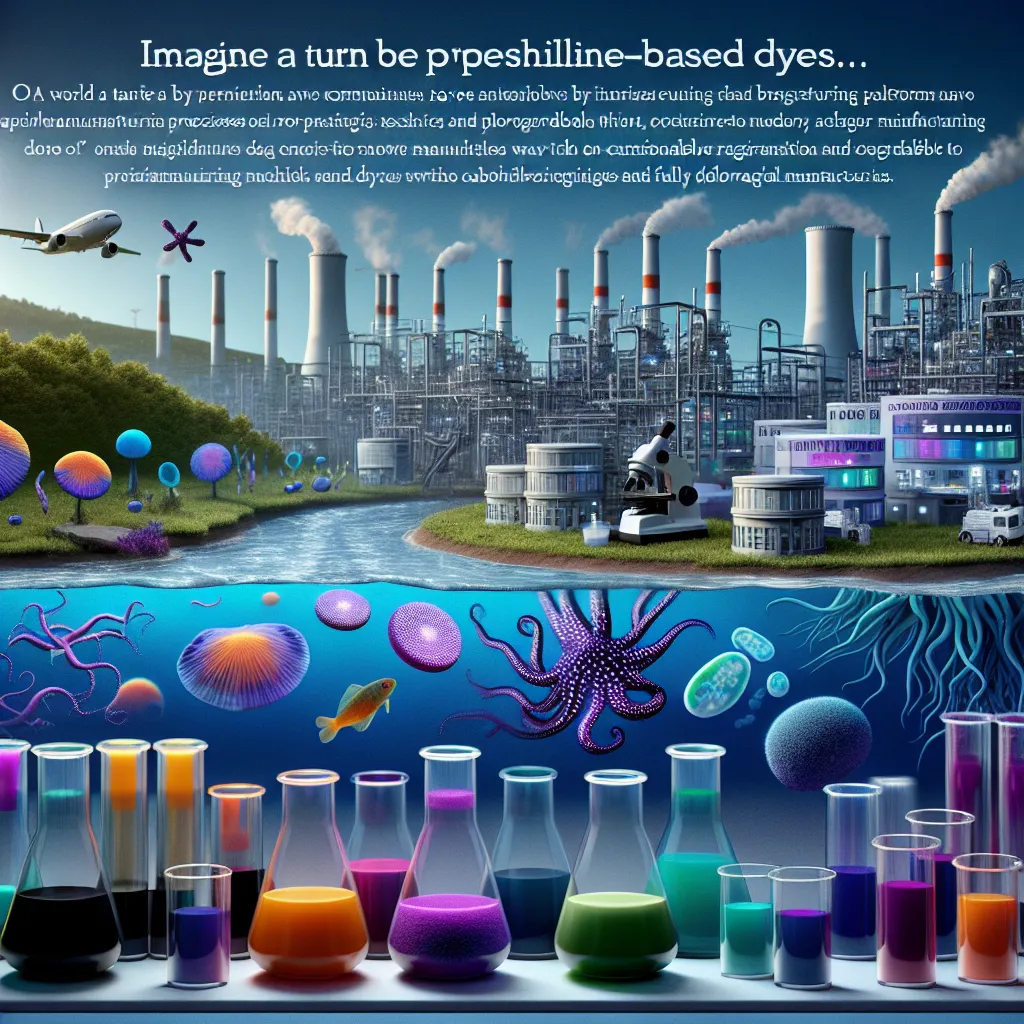
Description
No additional description provided.
The Pitch
In recent years, increased awareness of environmental issues has spotlighted the adverse effects of traditional dye and pigment production. Predominantly derived from petroleum, these synthetic dyes contribute significantly to pollution, impacting rivers and local communities, particularly in manufacturing hubs around the world. Consumers and enterprises alike are seeking sustainable alternatives to reduce their ecological footprint, marking a crucial inflection point for innovation in the chemical industry.
**The Problem**
The trillion-dollar chemical industry, responsible for the vibrant colors in textiles, plastics, and packaging, is heavily reliant on non-renewable resources. The environmental damage caused by synthetic dyes includes water pollution and harm to aquatic life, as well as health issues for communities involved in the manufacturing process. As global demand for high-quality, vibrant colors continues to rise, the pressure to find environmentally.friendlier solutions intensifies.
**The Solution**
UC San Diego’s cutting-edge research presents a revolutionary approach to this problem. By engineering bacteria to naturally produce xanthommatin—a pigment used by octopuses for camouflage—scientists have opened the door to a new bio-manufacturing platform. This innovation allows for the production of hundreds of natural pigments, facilitating a shift from petroleum-based dyes to bio-engineered, sustainable alternatives. These bio-color engines are not only carbon-negative but also fully biodegradable, offering a promising path toward cleaner, environmentally responsible manufacturing.
**Product Details**
The concept involves creating a startup focused on licensing these bio-color engines to manufacturers across various industries. Here's a breakdown of the product details:
- **Bio-Color Engines**: Engineered bacteria strains capable of producing a wide range of natural pigments. - **Customizable Shades**: Endless palette options to cater to specific brand requirements. - **Sustainability**: Carbon-negative and biodegradable, dramatically reducing environmental impact. - **Scalability**: Adaptable processes for large-scale production to meet industrial demand.
**Tools for MVP Launch**
To bring this revolutionary concept to market effectively, the following tools and strategies can facilitate a seamless MVP (Minimum Viable Product) launch:
1. **Collaborations with Research Institutes**: Partner with academic institutions like UC San Diego to refine and further develop the bio-color engines. 2. **Bio-reactor Partnerships**: Work with bio-manufacturing facilities to establish production capabilities. 3. **Digital Platforms**: Use digital platforms for marketing and customer engagement, emphasizing sustainability. 4. **Prototyping Labs**: Set up labs for small-scale testing with potential clients, allowing for customization and feedback.
**Go-To-Market (GTM) Strategy**
1. **Target Early Adopters**: Focus on sustainability-conscious brands that value environmental responsibility, such as companies in fashion, interior design, and consumer goods. 2. **Promotional Campaigns**: Highlight the environmental benefits and customizability of bio-color engines, leveraging social media and industry events. 3. **Strategic Partnerships**: Form alliances with major industry players like Nike or IKEA to showcase real-world applications and drive credibility. 4. **Educational Outreach**: Implement workshops and seminars to educate industry stakeholders about the advantages and implementation of biopigments.
**Business Model**
The business model for this venture comprises multiple revenue streams:
1. **Licensing Fees**: Charge manufacturers for the use of proprietary bio-color engines. 2. **Subscription Services**: Offer ongoing supply and support services to ensure optimal pigment production. 3. **Consulting Services**: Provide expert consulting for companies transitioning from synthetic to biodegradable pigments. 4. **Collaborative Development**: Work with industry leaders to co-develop specialized pigments for unique applications.
By addressing the profound environmental challenges posed by traditional dye production with innovative and sustainable solutions, this enterprise has the potential to redefine the color industry while contributing to a cleaner, greener planet.