Revolutionizing AI with Hybrid Bio-Chips
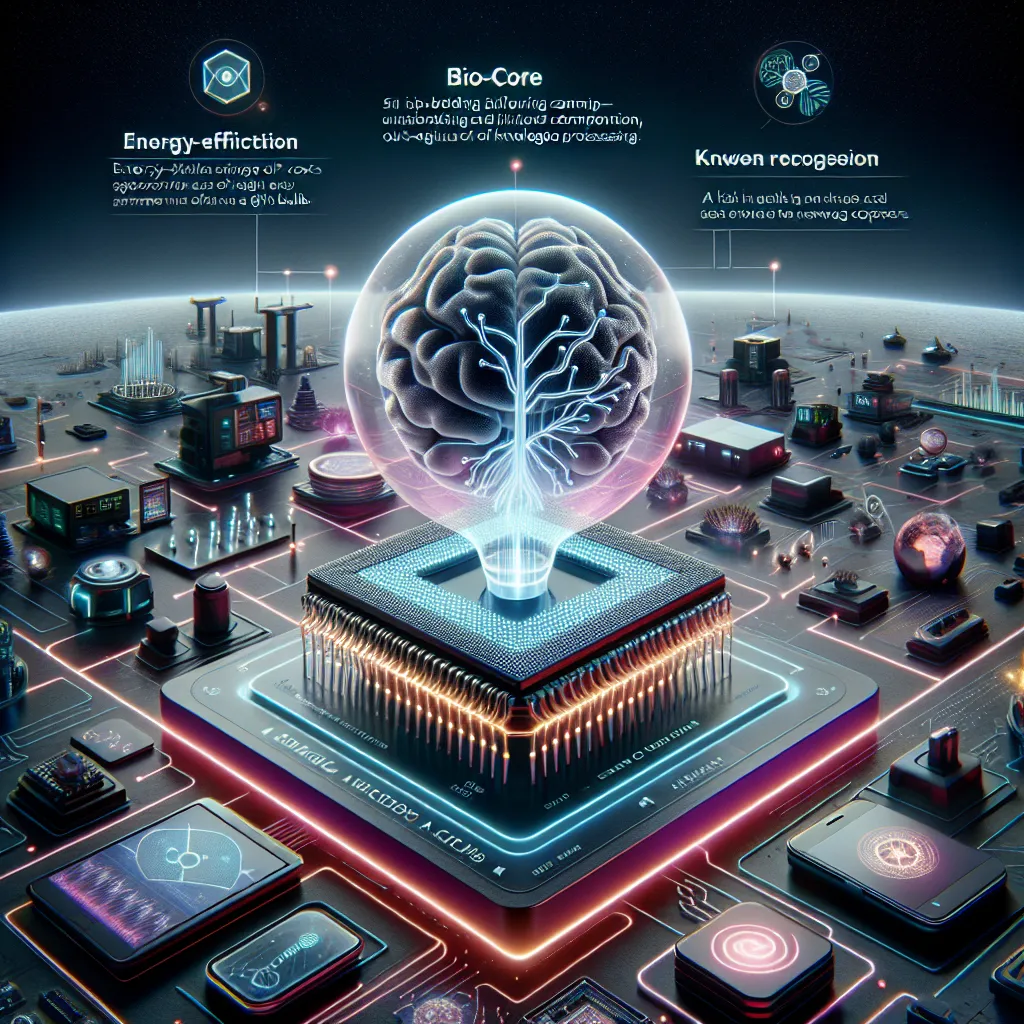
AI doesn’t have a model problem—it has an energy problem. Training and running models is insanely expensive, and edge devices (phones, wearables, drones) are constrained by battery life. Meanwhile, the human brain runs on roughly the energy of a light bulb and outperforms most systems at pattern recognition. If printed neurons can interface with traditional hardware, you can start to imagine hybrid chips—part silicon, part biological—that offload specific tasks like recognition or learning to neuron-based systems. It sounds sci-fi, but it’s really just the next evolution of co-processors. Instead of GPUs, you have “bio-cores.” The company that figures this out doesn’t just build a chip—they redefine the cost structure of AI.
Description
No additional description provided.
The Pitch
In the rapidly evolving world of artificial intelligence, the focus has often been on improving algorithms, increasing model accuracy, and enhancing processing capabilities. However, one of the major hurdles faced by AI practitioners is the significant energy requirement for training and running these models. While edge devices such as smartphones, wearables, and drones are becoming increasingly powerful, their capabilities are still hindered by battery limitations. Meanwhile, the human brain efficiently handles complex pattern recognition tasks with minimal energy consumption. Imagine a world where we can harness similar biological efficiency in our electronic systems. This exploration aims to outline a concept that could revolutionize AI processing: hybrid biological-silicon chips.
Backstory
Over the last decade, AI has moved from theoretical research labs to mainstream applications. The technology has seen deployment across a variety of sectors, from healthcare and finance to autonomous vehicles and smart cities. However, the increasing sophistication of AI models requires more computational power and, consequently, more energy. Currently, the majority of AI systems rely on power-intensive GPUs and data centers. What if we could create a new class of chips that harnesses biological efficiency, allowing AI systems to perform specific tasks with a fraction of the energy?
The Problem
The primary issue lies in the existing AI model infrastructure. Training sophisticated AI models is computationally demanding and expensive. The ongoing energy consumption required to keep AI systems running, especially in edge devices, is a significant barrier. Additionally, the hardware itself limits the potential applications on portable and battery-bound devices due to their energy consumption.
The Solution
Develop hybrid chips that integrate silicon-based hardware with biological components. By interfacing printed neurons with traditional hardware, these hybrid chips can offload specific tasks such as recognition or learning to neuron-based systems. The proposed solution not only enhances energy efficiency but also redefines cost structures in AI processing.
Product Details
1. Hybrid Chip Design: - Incorporation of printed neurons to handle specific AI tasks. - Traditional silicon base to leverage existing hardware functionalities. - Modular design allowing scalability and adaptability to different use cases.
2. Energy Efficiency: - Significant reduction in power usage compared to traditional chips. - Enhanced battery life for edge devices like phones, wearables, and drones.
3. Performance: - Improved pattern recognition and learning capabilities at reduced energy consumption. - Potential integration in various applications such as smart devices, healthcare monitoring systems, and autonomous machines.
Tools and Resources for MVP Development
1. 3D Printing Technologies: - For developing and experimenting with printed neurons.
2. AI Frameworks: - Existing machine learning libraries for initial testing and integration of hybrid systems.
3. Prototyping Hardware: - Low-energy hardware platforms to develop and test MVPs before scaling.
GTM Strategy
1. Educational Outreach: - Create awareness about the benefits of hybrid chips through workshops and collaborations with educational institutions.
2. Strategic Partnerships: - Partner with electronic device manufacturers and AI firms to pilot this technology in real-world scenarios.
3. Industry Engagement: - Attend conferences and events related to AI and semiconductor technologies to build interest and showcase prototypes.
Business Model
- Licensing Technology: License the hybrid chip design to tech manufacturers looking to enhance energy efficiency. - Custom Solutions: Offer tailored chip solutions based on specific industry needs. - SaaS for Testing: Provide a software platform for companies to test the performance and integration of hybrid chip technologies in their systems.
Conclusion
The development of hybrid biological-silicon chips represents an ambitious yet feasible approach to tackling the energy challenges of AI systems. By incorporating the efficiency of biological neurons, this technology promises to reshape the future of AI, emphasizing sustainability and improved performance. With the right resources and strategic partnerships, this innovative solution aims to redefine the boundaries of what's possible in AI and edge computing.