Revolutionary Smart Fabric with Seamless Integration
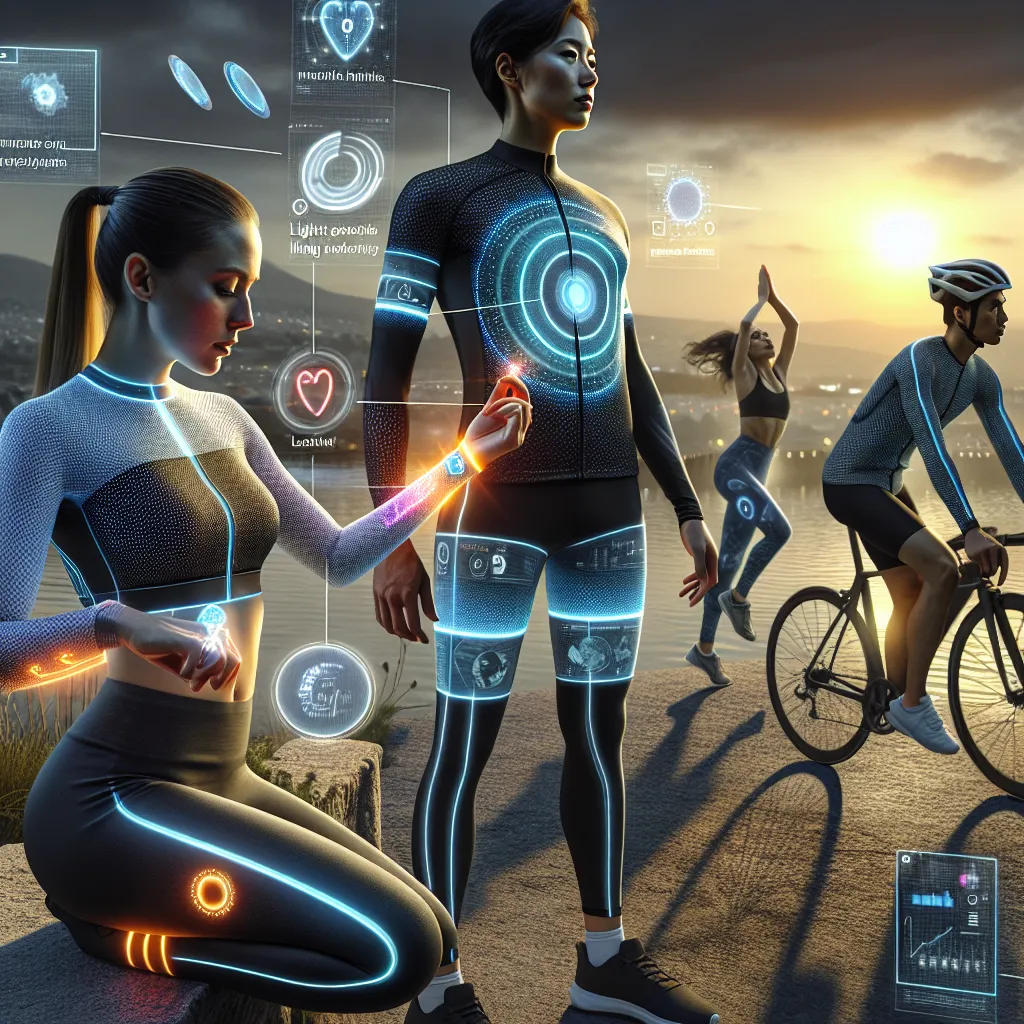
Wearable tech has been limited by power and rigidity — try running while a smartwatch chafes or dies after 6 hours. A company could use 2D-CMOS chips to embed computation directly into fabric, enabling real-time biometrics, posture correction, or gesture control without bulky hardware. The new 2D transistor tech enables integration into fibers without adding bulk or compromising flexibility. Imagine yoga leggings that vibrate gently when your posture’s off, or a cyclist’s jersey that adjusts light reflectivity based on ambient conditions — all powered by micro solar threads or kinetic energy.
Description
No additional description provided.
The Pitch
The wearable technology landscape is undergoing a transformation, fueled by the quest to make devices more comfortable, efficient, and seamlessly integrated into daily life. Traditionally, wearable technology has faced significant limitations related to power requirements, size, and rigidity which compromise both user comfort and device functionality. For instance, many consumers find that smartwatches can chafe during activities like running, and their battery life often doesn't extend beyond a mere six hours. This document outlines an innovative approach using 2D-CMOS chips that can be directly embedded into fabric, resolving these common issues and paving the way for next-generation wearable technology.
The Problem
Current wearable devices are hampered by a few persistent problems:
1. **Bulkiness**: Existing devices tend to be cumbersome, which can be uncomfortable or impractical during physical activities.
2. **Limited Battery Life**: Many wearables require frequent recharging, which disrupts continuous usage.
3. **Inflexibility**: The rigid hardware does not adapt well to flexible clothing, limiting the potential for seamless integration.
These issues prevent consumers from fully embracing and relying on wearable tech daily, particularly during active pursuits or long-term wear.
The Solution
By utilizing the latest advancements in 2D-CMOS transistor technology, it's possible to embed computation abilities directly into the fibers of clothing. This method offers several key advantages:
1. **Flexibility**: Integrating lightweight, flexible materials maintains the comfort and function of garments.
2. **Real-time Data Capture**: Enables constant monitoring and immediate feedback, such as biometrics, posture correction, and gesture control.
3. **Autonomous Power Supply**: Utilizes micro solar threads or kinetic energy to sustain device functions without frequent charging interruptions.
Product Details
Imagine a range of smart clothing that uses this breakthrough technology:
- **Smart Yoga Leggings**: These would gently vibrate to alert the wearer of improper posture, aiding in injury prevention and improving form.
- **Cyclist's Jersey**: Capable of adjusting its light reflectivity based on ambient conditions to enhance visibility and safety.
- **Fitness Apparel**: Monitors heart rate, hydration levels, and respiratory efficiency in real time, transmitting data to a connected app for health insights.
Tools for Launching an MVP
To bring this ambitious concept to fruition, utilize the following tools and techniques:
1. **Prototyping Platforms**: Leverage rapid prototyping tools like Arduino or Raspberry Pi to create early device iterations.
2. **Material Innovation**: Collaborate with textile manufacturers specializing in smart fabrics to experiment with and refine fiber integration.
3. **Software Development Kits (SDKs)**: Use open-source SDKs for developing companion apps and integrating third-party health platforms.
Go-to-Market Strategy (GTM)
The GTM strategy focuses on building awareness and generating interest among tech-savvy consumers and early adopters:
1. **Launch Campaigns**: Leverage social media and influencer partnerships within the fitness and tech communities to drive brand recognition.
2. **Pilot Programs**: Initiate trial programs at gyms, yoga studios, and cycling clubs to gather user feedback and build advocacy through direct experiences.
3. **Partnerships and Collaborations**: Partner with athletic brands and innovative fitness startups to reach broader markets and increase credibility.
Business Model
The business model can be structured around:
1. **Direct-to-Consumer Sales**: Through an e-commerce platform offering customizable and standard smart clothing options.
2. **Subscription Services**: Offer software-based health coaching and tracking services aligned with the apparel.
3. **B2B Sales and Licensing**: Provide the technology infrastructure to sportswear brands looking to integrate IoT functionalities into their lines.
Conclusion
This innovative approach to wearable technology promises to revolutionize how consumers interact with and experience fitness and wellness garments. By addressing current limitations with effective solutions and strategic planning for market entry, this venture stands to position itself as a leader in next-generation wearables.