Revolutionary Self-Assembling Furniture for Mobile Lifestyles
Flat-pack furniture promised simplicity but delivered frustration: instructions, tools, missing screws, and wasted hours. Truly self-assembling furniture never existed because complex load-bearing shapes couldn’t emerge reliably from flat materials without manual intervention. Now they can. Chairs, desks, shelving, and room dividers can be designed to deploy into structurally sound forms with a single pull, then collapse flat again for moving or storage. This enables a new class of furniture for renters, nomads, students, and pop-up spaces — furniture as a reusable, portable system rather than a static object. The shift isn’t aesthetic; it’s mechanical. Complexity has moved from labor to design.
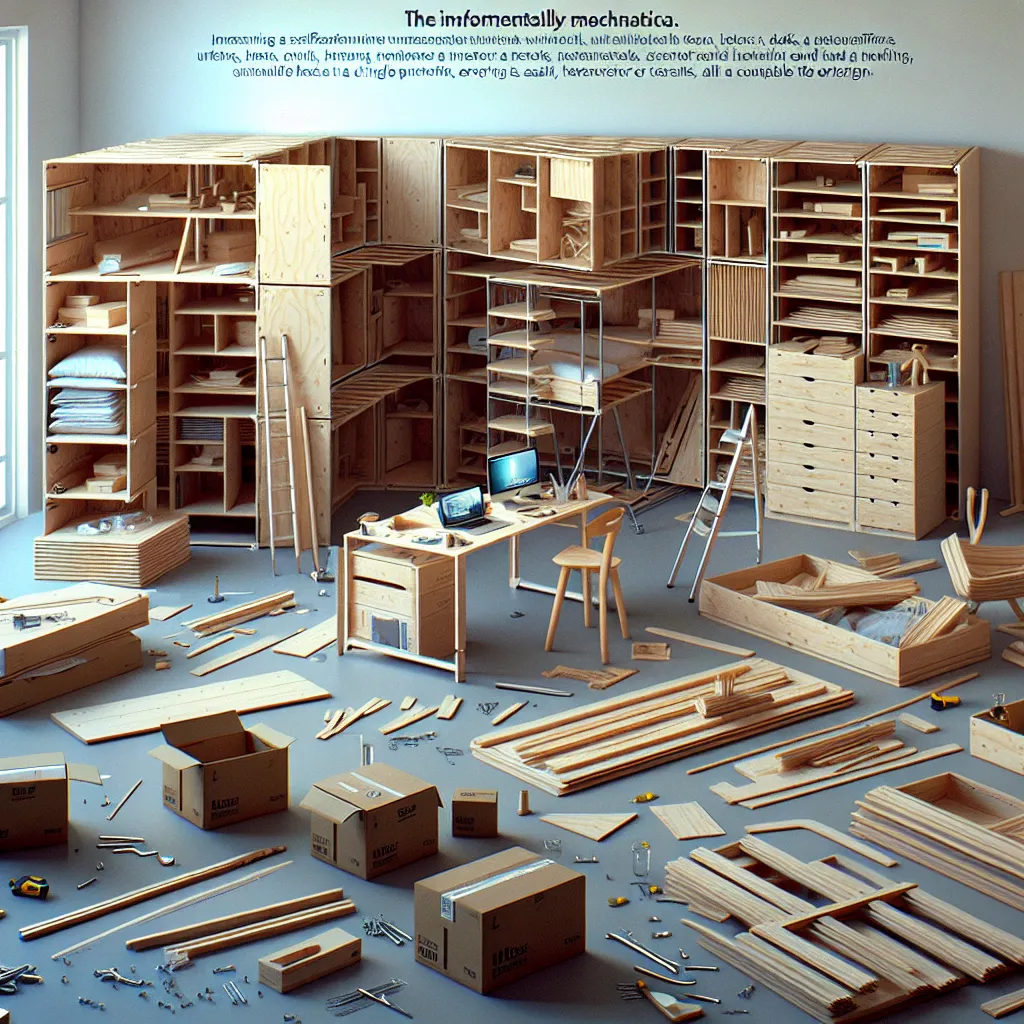
Description
No additional description provided.
The Pitch
Imagine a world where assembling furniture is no longer a tedious or time-consuming task. In the past, flat-pack furniture aimed to offer simplicity and convenience but often fell short, leading to feelings of frustration due to complicated instructions, missing parts, and the hours spent assembling. The concept of self-assembling furniture, although appealing, seemed unattainable because creating complex, load-bearing shapes from flat materials required manual effort. However, recent innovations have changed the game, making it possible for furniture to transform into structurally sound forms with ease.
The solution to this longstanding problem lies in new design techniques that allow pieces like chairs, desks, shelving units, and room dividers to be engineered to seamlessly unfold into their intended shapes with just a single pull. This breakthrough enables the furniture to effortlessly collapse flat again, facilitating easy storage and transport. Such a transformation caters to individuals who frequently relocate, such as renters, digital nomads, students, and those involved in temporary setups like pop-up spaces.
This new breed of furniture emphasizes portability and reusability, shifting the burden of complexity from consumer labor to intelligent design. It represents a significant departure from traditional static furniture, not in terms of aesthetics but in terms of mechanics and functionality.
For those interested in bringing this innovative furniture concept to market, several tools and strategies can streamline the process of creating and launching a minimum viable product. CAD software can be utilized to design the structural components and mechanisms that enable the furniture's transformation. Prototyping tools, such as 3D printers and CNC machines, can help create initial models and test the efficacy of designs.
Once prototypes are validated and improvements are made, a go-to-market strategy needs to be implemented. Highlighting the convenience, sustainability, and adaptability of the product will resonate with potential customers, particularly in targeted segments like young professionals and urban dwellers. Marketing efforts could focus on engaging content that demonstrates the product's ease of use, portability, and design versatility through videos and social media campaigns.
In terms of a business model, offering this furniture as a direct-to-consumer product could prove effective. An online platform could showcase the range of designs available while providing customization options for different needs and preferences. Subscription models or rental services could also be explored, providing customers the flexibility to update their furniture solutions as they move or as their space requirements evolve.
In summary, the concept of self-assembling furniture is poised to transform the way people interact with their living spaces. Leveraging advanced design techniques and strategic market approaches can help this innovative solution reach its full potential, fulfilling a demand for smart, adaptable, and user-friendly furniture.