Reviving Pharmaceutical Value Through AI-Driven Drug Repurposing
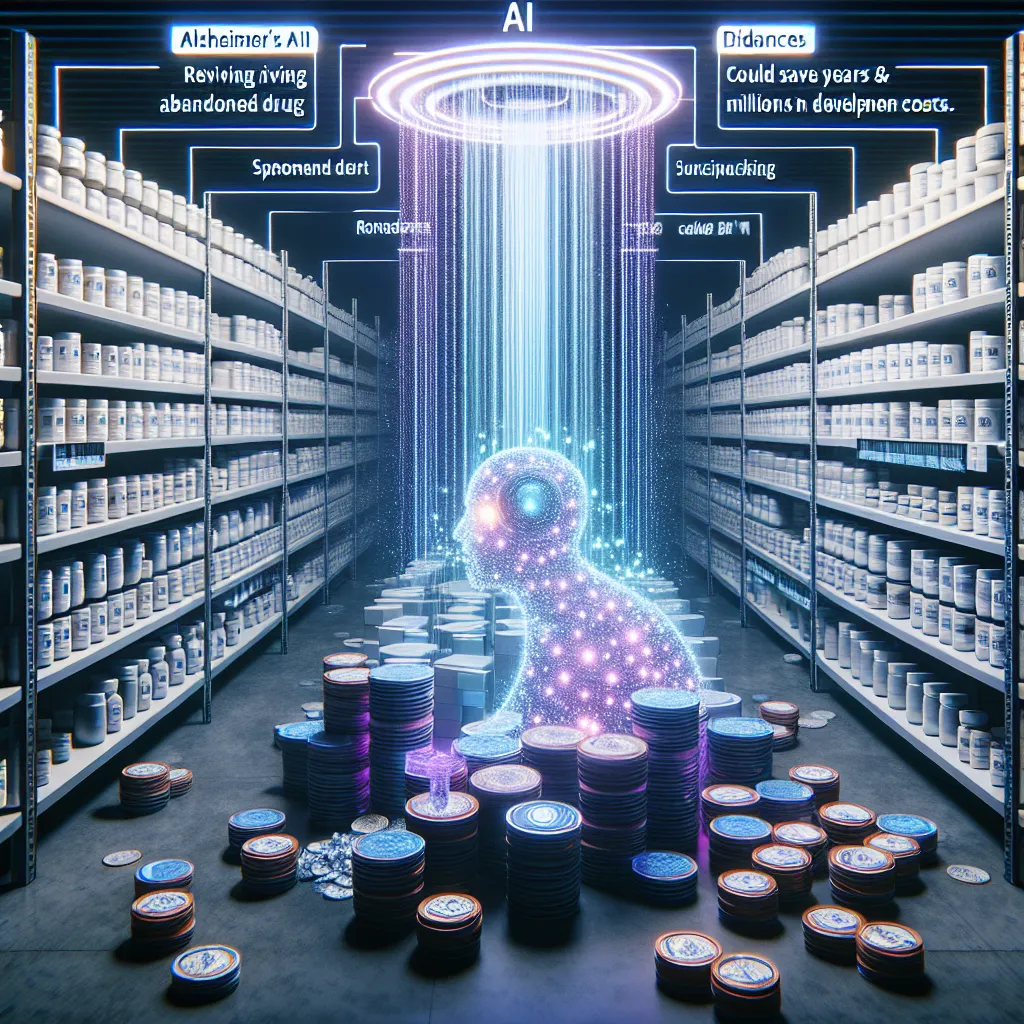
Pharmaceutical R&D often sidelines promising drug candidates due to trial failures or limited applications, wasting years of work and billions in investment. An AI-powered drug repurposing platform could scan existing shelved compounds, identify why they failed, and match them to new potential uses or patient subgroups. For example, an AI system might uncover that a failed Alzheimer’s drug could be effective for a rare neurological disorder with minor adjustments. This could dramatically reduce development costs and timelines. "Reviving abandoned drugs with AI could save years and millions in development costs."
Description
No additional description provided.
The Pitch
In the pharmaceutical industry, the journey from drug discovery to market approval is fraught with challenges and setbacks. A significant number of potential drugs are abandoned after failing to meet efficacy or safety criteria in clinical trials. However, these shelved compounds, often the result of billions of dollars and numerous years of research, might still hold potential for other therapeutic uses. The problem lies in efficiently and effectively identifying these new opportunities.
The Problem Each year, pharmaceutical R&D spends vast sums and a great deal of time developing compounds, only to see many of them fail in clinical trials. These failures can result from a variety of factors, including lack of efficacy for the intended condition, unacceptable side effects, or commercial factors like market competition or profitability concerns. Consequently, potentially valuable compounds are left unused, gathering dust on virtual shelves.
The Solution: AI-powered Drug Repurposing Platform An AI-powered platform offers a promising solution to this problem. By leveraging artificial intelligence, particularly machine learning models and data analytic tools, the platform can analyze extensive databases of drug properties, clinical trial results, and biomedical knowledge to identify repurposing opportunities for abandoned drugs. It can evaluate why specific compounds failed and cross-reference this data with other diseases that share physiological or genetic pathways.
Product Details 1. **Database Integration**: The platform integrates various databases including genomics, drug pharmacodynamics, clinical trial outcomes, and biomedical literature. 2. **AI Models**: It employs sophisticated algorithms to assess compound characteristics and match them to diseases. 3. **User Interface**: An intuitive UI helps researchers easily navigate and extract meaningful insights. 4. **Customizable Reports**: Generates reports that can guide further pre-clinical and clinical development.
Tools and Technologies for MVP Launch To launch a minimum viable product (MVP), the following tools and technologies can be considered: - **Data Management**: Use SQL databases or cloud-based solutions like AWS RDS for managing structured data. - **Machine Learning Frameworks**: TensorFlow or PyTorch for developing AI models. - **APIs**: RESTful API services for seamless integration of various databases. - **Frontend Development**: Frameworks like React or Angular for building the user interface.
Go-to-Market Strategy 1. **Partnerships**: Collaborate with pharmaceutical companies with shelved drugs. 2. **Pilot Projects**: Demonstrate value through pilot projects with select pharma partners. 3. **Conferences and Publications**: Present findings and case studies at industry conferences and in scientific journals. 4. **SaaS Model Adoption**: Offer the platform as a Software-as-a-Service to allow scalability and accessibility.
Business Model - **Subscription-Based**: Charge a monthly or annual fee for access to the platform. - **Pay-per-Report**: Offer detailed analysis reports at a fixed price. - **Consulting Services**: Provide expert consultancy for drug repurposing strategies leveraging the platform.
Conclusion Reviving abandoned drugs through an AI-powered drug repurposing platform is a cost-effective method to bring new therapies to market. By transforming the way pharmaceutical companies revisit their compound libraries, this approach not only saves money and time but also offers hope for treatments in areas where they are desperately needed.