Revitalizing U.S. Travel with Capsule Hotels
Budget U.S. travel is stuck between cheap motels and expensive hotels. In Japan, capsule hotels pioneered the idea of compact, low-cost sleeping pods with shared amenities. They’ve since evolved into stylish, modern micro-hotels for both tourists and domestic workers. Tokyo chains like Nine Hours are profitable, high-occupancy, and expanding globally. In the U.S., pod hotels exist in NYC and a few airports, but they haven’t spread widely. With domestic travel booming and Airbnb fatigue setting in, capsule hotels are a gap waiting to be filled.
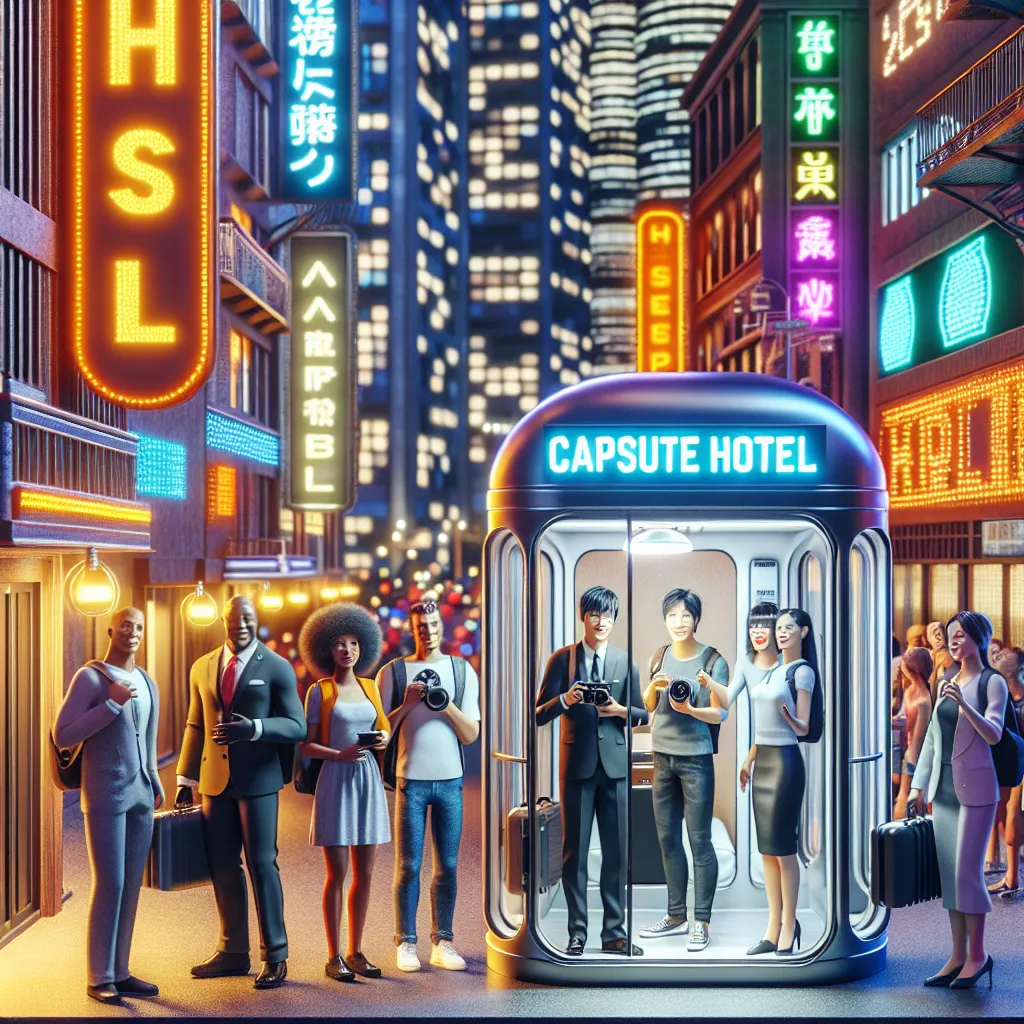
Description
No additional description provided.
The Pitch
The travel and hospitality industry is facing a unique challenge in the United States, where the options for budget-friendly accommodations are often limited to generic motels or pricier hotels. Meanwhile, in Japan, capsule hotels have revolutionized the market with their innovative approach to compact, affordable lodging. These micro-hotels offer a blend of modern, stylish designs and budget-pricing with shared amenities, addressing the gap between budget motels and expensive hotels. Pioneers like Nine Hours have successfully captured a segment of travelers by expanding globally and achieving high occupancy rates. As domestic travel in the U.S. continues to surge and travelers grow increasingly weary of Airbnb, now is an opportune moment to introduce capsule hotels to a broader audience in America.
Backstory: Capsule hotels originated in Japan, meeting the demands of both tourists looking for affordable yet unique accommodations and domestic workers requiring convenient and cost-effective lodging. Over the years, these hotels have evolved from basic sleeping pods to trendy, highly functional spaces that appeal to a wide range of guests. Their success stems from the efficient use of space, affordability, and the rising demand for experiential travel. The U.S. market has seen limited adoption of this concept, primarily in major cities like New York City and select airports, leaving significant potential for expansion nationwide.
Problem: The current landscape of the U.S. hospitality market presents a dichotomy between low-end motels and high-end hotels. Budget travelers often face a lack of affordable, comfortable, and aesthetically pleasing accommodations. Additionally, the novelty of peer-to-peer rental platforms like Airbnb is starting to wane, as some travelers encounter inconsistencies in quality and a lack of professional service.
Solution: The introduction of capsule hotels in various travel hubs across the U.S. could bridge this gap by offering affordable, clean, and stylish accommodations that appeal to both domestic and international travelers. These hotels would provide an efficient use of space without compromising the quality of the guest experience. Moreover, they could foster a sense of community through shared amenities while maintaining privacy within individual pods.
Product Details: - Compact, sleek sleeping pods designed for comfort and privacy. - Shared amenities including bathrooms, lounges, workspaces, and dining areas. - Modern design with a focus on efficient use of space and high-quality finishes. - Technologically equipped pods with charging stations, personal lighting, and climate control. - Common spaces encouraging social interactions and a sense of community among guests.
Tools to Launch as an MVP: - Modular pod units that can be easily transported and assembled on-site. - Collaboration with local architecture and design firms to ensure compliance with building codes and local aesthetics. - Partnership with technology providers for room booking, management, and guest services platforms. - Initial pilot launch in a high-traffic urban area to test and refine the concept.
Go-to-Market Strategy: - Target marketing at budget-conscious travelers, digital nomads, and young professionals. - Utilize social media and influencer partnerships to generate awareness and excitement. - Implement an introductory pricing strategy to attract early adopters and build a loyal customer base. - Forge partnerships with travel agencies, tour operators, and airlines to offer bundled travel packages.
Business Model: - Operate on a franchise model to facilitate rapid expansion across different regions. - Revenue model based on nightly accommodation fees, with potential ancillary income from upselling premium experiences or services. - Explore corporate partnerships and memberships for frequent business travelers. - Continuous reinvestment in property upgrades and technology to maintain competitive advantage.
Conclusion: The U.S. market is primed for the entry of capsule hotels, offering a solution to the existing gap in budget travel accommodations. Leveraging proven success from the Japanese model and adapting it to local preferences can unlock significant value in the American hospitality sector. With a strategic approach to product development, marketing, and operations, capsule hotels have the potential to become a popular and profitable choice for travelers across the United States.