Reverse Ticket Marketplace: Buyers List, Sellers Bid
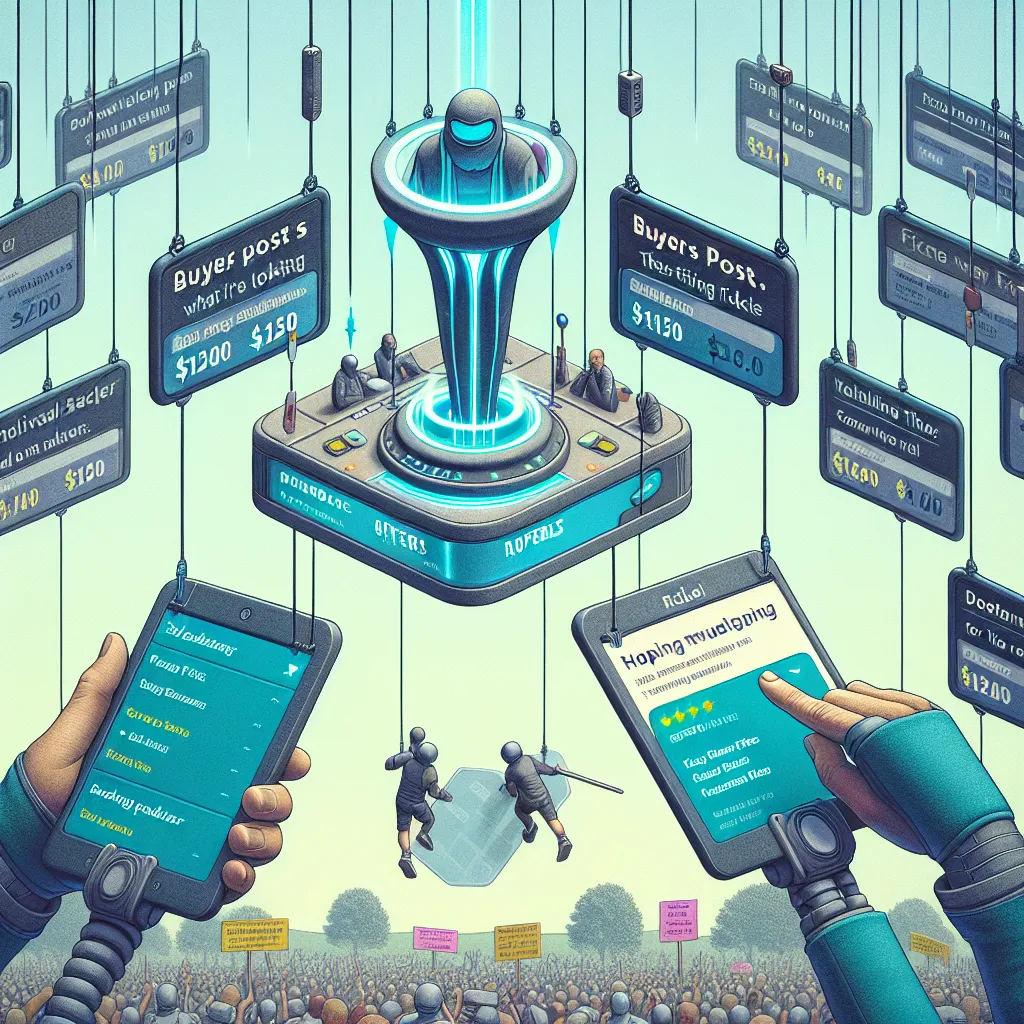
Selling an unwanted ticket today is a headache—you have to set a price, post it, wait for someone to buy, and hope it works out. But what if you could flip that model entirely? Dropback introduces a reverse marketplace: instead of sellers listing tickets, buyers post what they’re looking for, and sellers get real-time offers to offload inventory instantly. It’s StubHub flipped on its head. The key insight is that resale demand is often there—but sellers don’t know when, where, or how to capture it without friction. Picture this: you’re holding two festival tickets but your plans change. You log into Dropback and see three buyers willing to pay $120–$150 right now. One tap and the deal’s done.
Description
No additional description provided.
The Pitch
In the world of ticket resales, the current model burdens sellers with the task of setting prices, posting listings, and waiting for interested buyers. This process can be slow, uncertain, and often frustrating. But there's an innovative way to transform this process—introducing Dropback, a reverse marketplace where buyers lead the transaction process.
Dropback's unique approach flips the traditional resale model on its head. Instead of sellers posting tickets, buyers describe exactly what they are looking for, including the event, price range, and other preferences. Sellers, often eager to offload their unused tickets quickly, can then browse these buyer requests and fulfill them instantly. This not only speeds up the transaction process but also caters to the seller's need for a fast and reliable sale.
The problem is clear: sellers have the demand but lack the means to connect efficiently with ready buyers. Often, they are unsure of when and how to sell their tickets without losing time or value. Dropback tackles this head-on by providing a platform that aligns existing demand with the seller's immediate need to make a quick sale.
For someone interested in building Dropback, here's how to bring this vision to life:
1. Product Details: The platform would feature a streamlined user interface where buyers can post their ticket needs, complete with price ranges and event details. Sellers, on the other hand, can scroll through requests and choose who they want to sell to, completing transactions in a few simple steps. Real-time notifications for both parties can ensure quick exchanges and reduce uncertainties.
2. Technology and Tools: Leveraging tools like React Native for a cross-platform mobile app, Firebase for real-time data updates, and Stripe for secure payment processing can bolster a quick and efficient launch. AWS or Google Cloud could be utilized for scalable infrastructure.
3. MVP Launch: Begin with a small-scale MVP targeting popular local events. This allows for quick feedback and refinement. Encourage initial users to provide feedback to quickly iterate on the platform's usability and features.
4. Go-to-Market Strategy: Focus on partnerships with event organizers and influencers to boost platform visibility. Use social media marketing to reach both buyers and sellers effectively. Consider offering promotions for first-time users to build initial traction.
5. Business Model: Implement a commission-based revenue model where Dropback takes a small percentage of each transaction. Alternatively, explore subscription models for power users who frequently buy or sell tickets.
By seamlessly integrating buyer demands with seller needs, Dropback stands to revolutionize the ticket resale market, turning a cumbersome process into a simple and efficient transaction. This approach benefits both buyers and sellers while creating a new dynamic in the marketplace—where sellers don’t wait for buyers; buyers approach sellers ready to transact.