Reverse Bidding Platform for Lower Service Costs
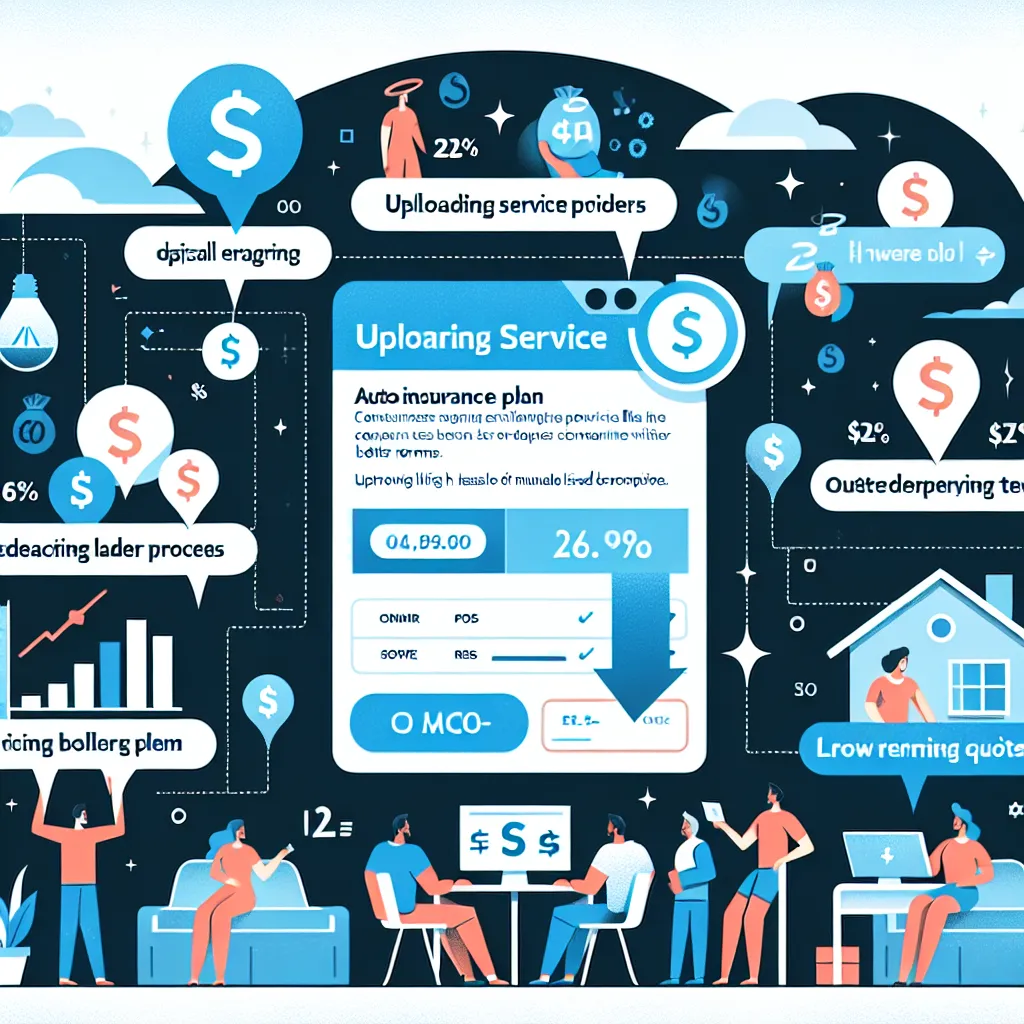
Consumers often overpay for recurring services like insurance, utilities, or internet simply because comparing options is inconvenient and time-consuming. This platform flips the process by letting users upload their current policy or bill, then inviting providers to outbid it with better terms. It's a consumer-facing reverse RFP that increases transparency and drives down prices. Unlike traditional quote generators, it starts with a user’s real data and encourages direct competition among providers. For instance, a homeowner uploads their auto insurance plan and, within hours, receives several quotes from licensed agents offering the same coverage for less—switching takes just a few clicks.
Description
No additional description provided.
The Pitch
Imagine a scenario where consumers are routinely spending more than necessary on recurring services such as insurance, utilities, or internet services. The primary reason behind this overspending is the cumbersome and time-consuming process of comparing different options. What if there was a way to simplify this process, providing consumers with better deals while encouraging service providers to offer competitive prices?
Introducing a platform designed to revolutionize how consumers engage with service providers. This innovative platform invites users to upload their existing policy or bill, and then facilitates a bidding process where providers compete to offer superior terms. By reversing the traditional request-for-proposal model, this tool enhances transparency and actively reduces costs for consumers.
The key differentiator lies in the approach - rather than merely generating quotes based on consumer queries, the platform leverages actual user data and fosters direct competition among providers. To illustrate, consider a homeowner seeking to save on their auto insurance. By uploading their current plan, they quickly receive multiple bids from licensed agents who can match or improve upon the existing coverage at a reduced cost, simplifying the switch with just a few clicks.
For those interested in building and launching this innovative tool, the following elements are crucial:
1. **Backstory and Market Research**: The inspiration comes from the need to streamline the decision-making process for consumers who often feel overwhelmed by the sheer volume of available options and the complexity of terms. Extensive research shows a significant portion of consumers desire a more straightforward way to manage and potentially reduce their recurring expenses without compromising on quality or service.
2. **Solution Overview**: The proposed platform addresses these pain points by offering a centralized, user-friendly interface where consumers can upload their bills and service contracts. Once the information is processed, it allows service providers to make competitive bids in real-time, ensuring that consumers have access to the best possible deals tailored to their needs.
3. **Product Details**: The platform would feature a secure document upload system, a backend capable of extracting and standardizing critical data points, and a bidding engine that ranks offers from service providers. Advanced data analytics can be used to predict user preferences and suggest optimal bids based on historical data and user behavior.
4. **Tools for MVP Development**: To quickly launch a minimum viable product, consider using existing platforms like AWS for scalable hosting, Stripe for secure payments, and Twilio for communication. Rapid development frameworks and libraries such as React or Angular (for front-end) and Node.js or Django (for back-end) can expedite the build process.
5. **Go-To-Market Strategy**: The initial focus should be on digital marketing campaigns targeting tech-savvy consumers looking for efficiency in managing their expenses. Building partnerships with financial advisors and consumer rights organizations can also amplify reach. Consider offering a pilot program with select users to gather feedback and iterate on the product before a full launch.
6. **Business Model**: The platform can adopt a freemium model, where basic functionalities are free, but premium subscriptions unlock additional features like in-depth analytics, negotiation tips, or priority processing of bids. Additionally, the platform could earn revenue by charging service providers a fee for each successful connection made, ensuring that the tool remains free and attractive to consumers.
By developing and launching this platform, you are empowering consumers to make informed decisions with ease, while motivating service providers to present their best offers. This approach not only benefits individual users but also fosters a more competitive and transparent market.