Restoring Trust with Human Signal Verification
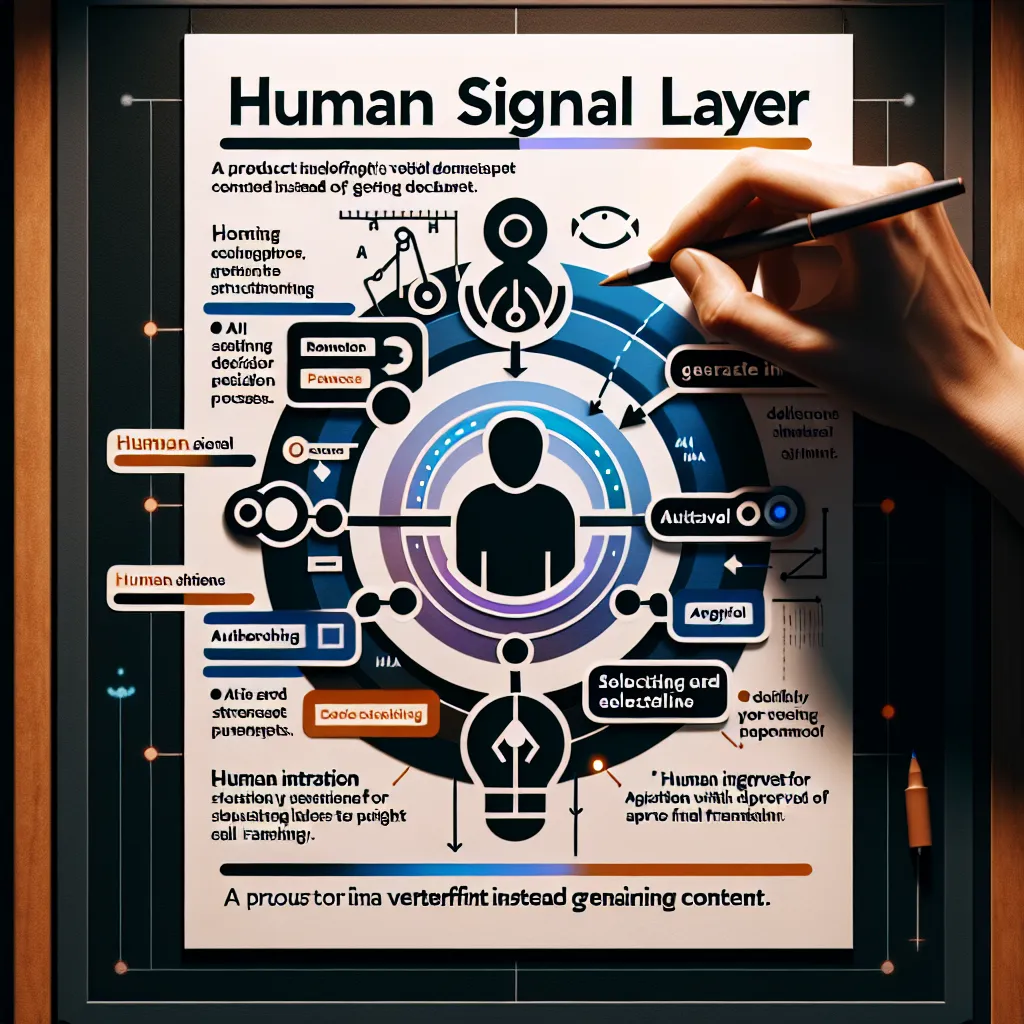
As generative AI becomes table stakes, social feeds are filling with content that’s technically fine but emotionally hollow. Brands don’t have a creation problem anymore — they have a credibility problem. Audiences can’t tell what was thoughtfully made versus automatically produced, so they assume most of it is disposable. The opportunity is a product that doesn’t generate content, but verifies intent. This startup creates a “human signal layer” that documents creative decision points — what was automated, what was chosen, and why. Not a watermark or badge, but a traceable narrative of authorship. The value isn’t transparency for transparency’s sake; it’s restoring trust and differentiation in a feed where everything looks the same. This exists now because AI output has outpaced audience belief. Example: a brand post shows that AI drafted the structure, but a human selected the angle, edited the punchline, and approved the final framing — increasing engagement because people trust what they’re seeing again.
Description
No additional description provided.
The Pitch
In today's digital landscape, the rise of generative AI has resulted in a paradox for content creation. While the technology has alleviated the burden of content production, it has simultaneously led to a decline in audience trust. As social media feeds become saturated with content that appears polished yet lacks emotional depth, the underlying issue has shifted from creation to credibility. Consumers are increasingly uncertain about distinguishing between content that is thoughtfully crafted by humans and that which is automatically produced by machines. Consequently, much of the content is perceived as disposable, leading to disengagement.
This scenario presents an opportunity to innovate by developing a solution that doesn't focus on generating content but rather on verifying the intent behind it. The concept revolves around establishing a human signal layer—a system that records creative decision points throughout the content creation process. This approach documents key elements such as which parts were automated, which decisions were deliberately made by humans, and the rationale behind these choices. Instead of a simple watermark or badge, it offers a traceable narrative of authorship, providing audiences with a transparent view of content creation.
The solution's essence is not transparency for the sake of openness but restoring trust and ensuring differentiation. In a digital environment where content often looks identical, providing a backstory on its creation can elevate its perceived authenticity and value. For instance, a brand's social media post might reveal that an AI initially drafted its structure, but a human then selected the core message, refined the humor, and made the final approvals, thereby enhancing audience trust and engagement.
To build this product, the initial steps would involve using tools and platforms that facilitate seamless integration into existing content pipelines. Technologies such as blockchain could be utilized to ensure a tamper-proof and verifiable record of the creative process. User-friendly interfaces would allow content creators to input and document their creative decisions easily.
As we consider launching this as a Minimum Viable Product (MVP), the focus should be on swift iterations based on user feedback. A lean development approach will be key, involving:
- Prototyping the human signal layer interface - Conducting trials with a select group of brands and content creators - Collecting and analyzing user feedback to fine-tune features
The go-to-market strategy should concentrate on:
- Targeting early adopters within digital marketing agencies and large content-producing brands - Leveraging case studies that demonstrate increased engagement and restored audience trust - Utilizing thought leadership content to differentiate the offering in a crowded market
The business model could primarily revolve around a subscription-based service, where brands pay for tiered access to the platform based on their content output volume. Additionally, customized enterprise solutions can be developed for larger clients needing more extensive documentation features.
In conclusion, as the digital content ecosystem evolves, the demand for authenticity and trust becomes paramount. By providing a solution that assures audiences of the thoughtful intent behind content, this venture has the potential to redefine how brands connect with consumers in the age of AI.