Reselling Liquidation Goods in Retail Deserts
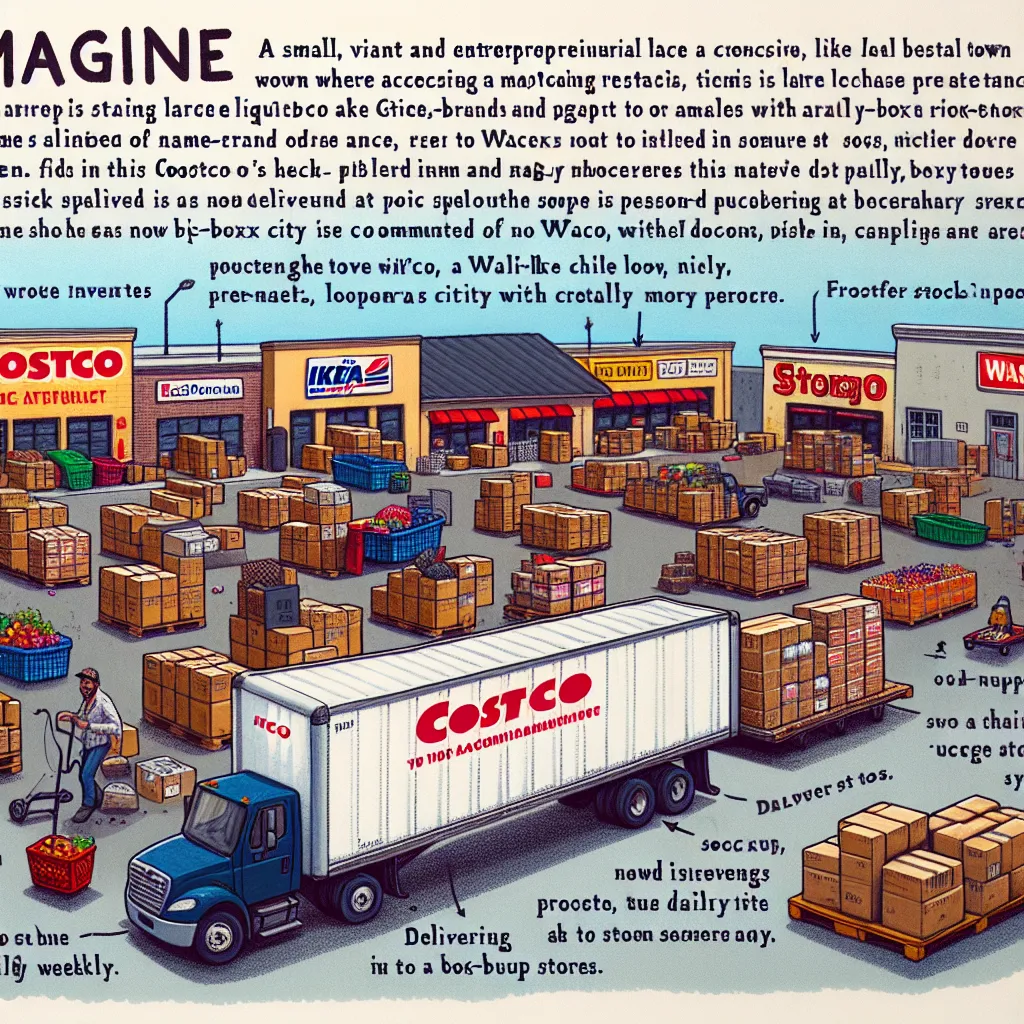
Millions live in towns with no access to big-box stores like Costco or IKEA. These gaps create hyper-local demand for name-brand products. A solo operator can buy liquidation pallets and resell them at 30–60% off retail through Facebook Marketplace, targeting communities without easy access to these stores. “If you live in a college town, you should be in the couch business.” Example: In Waco, TX—300k people, no Costco—a seller buys Costco liquidation rugs for $8 each and resells them for $80–$120. They offer porch pickup or delivery, list new inventory weekly, and build a local following. This is a repeatable model for any town underserved by national retail, especially if paired with seasonal goods or large items like furniture. It's low-tech, high-margin, and scalable with simple logistics and Facebook ads.
Description
No additional description provided.
The Pitch
In today's retail landscape, large national chains like Costco and IKEA enjoy a strong presence in urban centers, providing consumers with a wide array of products at competitive prices. However, millions of people living in smaller towns or rural areas still lack convenient access to these retail giants. This gap creates a unique opportunity for entrepreneurs looking to capitalize on localized demand for name-brand products, without the need for a physical storefront.
Backstory
Imagine a college town like Waco, Texas, with a population of around 300,000 people but no nearby Costco. Residents in these areas often desire the variety and affordability of products that big-box stores offer but face significant travel distances to access them. In this context, local entrepreneurs have found success by reselling liquidation pallets from these large retailers. This approach can cater to the needs of communities without easy access to big-box stores while providing a profitable business opportunity.
Problem
Large retail stores often overlook smaller communities, leaving them with fewer choices and higher prices for goods. Residents of these areas are compelled to travel long distances to access the affordable prices and product diversity that larger stores offer. This lack of accessibility not only causes inconvenience for these consumers but also creates a gap in the market that local entrepreneurs can fill.
Solution
By purchasing liquidation pallets from big-box stores like Costco, solo operators can acquire name-brand products at a fraction of their retail price. These goods can then be resold within their community at a significant markup, yet still at a discount compared to original prices. This model leverages the price difference while meeting local demand, creating a win-win scenario for both sellers and buyers.
Product Details
The essence of this business model lies in:
- Liquidation Sourcing: Buying liquidation pallets from major retailers, which often include overstock, returned items, or discontinued products. - Local Resale: Reselling these goods at 30-60% off their retail price. This appeals to price-conscious consumers who lack access to similar discounts in their town. - Community Engagement: Leveraging platforms like Facebook Marketplace to list available products, engage with potential buyers, and establish a loyal customer base. - Seasonal and Large Items: Focusing on items with higher demand and margins, such as furniture and seasonal goods, further increases profitability. - Flexible Fulfillment: Offering convenient porch pickup or localized delivery options that cater to the community’s needs.
Tools for a Successful Launch
- Facebook Marketplace: Essential for engaging with the local community and listing products. - Online Advertising Tools: Use Facebook and Instagram ads targeted at specific demographics within the community to increase visibility. - Inventory Management Software: Tools like InventoryLab can help track purchases and sales, ensuring an efficient operation. - Logistics Platforms: Services such as Roadie or TaskRabbit can assist with last-mile delivery if needed.
Go-To-Market Strategy
1. Community Identification: Choose a town based on population, absence of major big-box retailers, and existing demand for name-brand products. 2. Product Procurement: Establish relationships with liquidation pallet suppliers to ensure a steady flow of inventory. 3. Marketing: Deploy targeted social media marketing campaigns to create awareness, emphasizing cost savings and accessibility. 4. Customer Engagement: Build an online presence with regular inventory updates and engage with customers through direct messages. 5. Feedback Loop: Collect and act on customer feedback to improve product offerings and customer service.
Business Model
Revenue Streams:
1. Product Sales: The primary revenue source through reselling products at marked-up prices. 2. Ancillary Services: Offering delivery or setup services for larger items at an additional fee. 3. Seasonal Promotions: Special discounts or promotions during high-demand seasons to boost sales.
Conclusion
This hyper-local resale business model presents a scalable opportunity for individuals in underserved towns and cities to provide affordable access to popular name-brand products. With minimal investment, robust community engagement, and strategic use of digital platforms, entrepreneurs can build a profitable and sustainable business while fulfilling a genuine need in their community.