Resale Startup for Forgotten Hotel Items
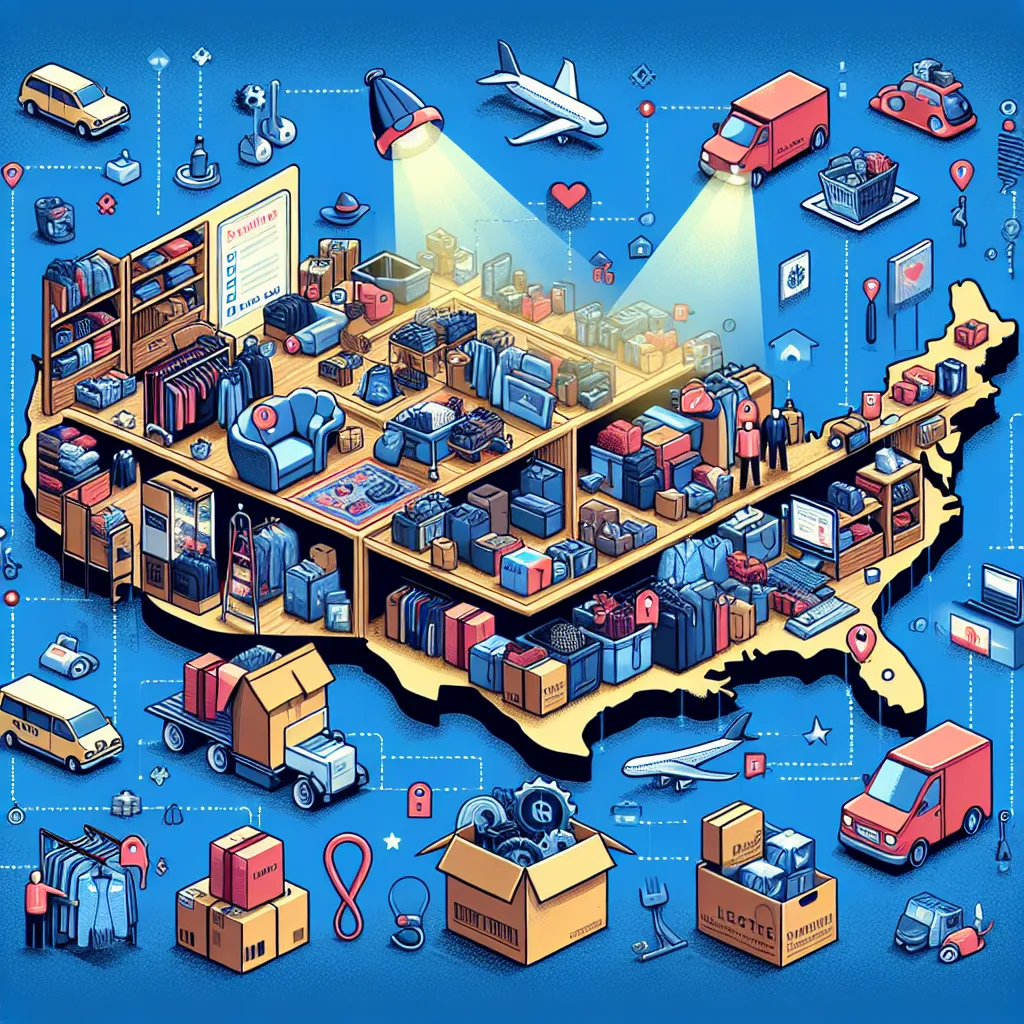
Every day, hotels, car rentals, and Airbnbs collect thousands of items guests leave behind—often thrown away or forgotten. A resale business solves this by aggregating, sorting, and selling these items online, similar to how Unclaimed Baggage Center became a monopoly for airline luggage. These businesses rarely have systems to monetize what’s left behind. A startup could offer lost-and-found management for properties and monetize the inventory on platforms like eBay. One centralized solution could unlock a hidden stream of resale inventory that already exists across the country.
Description
No additional description provided.
The Pitch
Every day, a vast number of items are left behind in hotels, car rentals, and vacation homes. Most of these items end up completely forgotten, often destined for the landfill. However, what if there was a way to turn these forgotten treasures into a viable business opportunity?
Backstory
The concept of monetizing left-behind items gained traction when the Unclaimed Baggage Center successfully created a thriving business by selling items from airline luggage that went unclaimed. While airlines have a system in place for such items, the hospitality sector lacks a streamlined process to turn these into revenue-generating opportunities. Hotels, car rentals, and short-term rental hosts rarely have the time or resources to handle this on their own, resulting in abandoned items being tossed aside.
The Problem
Hospitality businesses accumulate a staggering number of items left behind by guests. Without an efficient system to manage and monetize this inventory, these items become a burden rather than an asset. The complexity of sorting, cataloging, and storing such a random and varied collection makes it a daunting task for individual businesses to tackle.
The Solution
A centralized platform that specializes in lost-and-found management for the hospitality and travel industry could alleviate this challenge. By providing a complete solution from collection to resale, properties can unlock a new revenue stream. This platform would entail:
1. Efficient Collection: Establishing a process for properties to easily gather and send items. 2. Inventory Management: Utilizing software to catalog, sort, and store items efficiently. 3. Online Marketplace Integration: Partnering with established platforms like eBay to sell items, maximizing reach and profitability. 4. Environmentally Responsible Disposal: Ensuring items that can't be sold are recycled or donated.
Product Details
1. Software Platform: A user-friendly interface for businesses to track and manage inventory, complete with photo upload and item categorization features. 2. Logistics Support: Streamlined shipping solutions that facilitate hassle-free transfer of items to central warehouses for cataloging and sale. 3. Data Insights: Analytics dashboard providing insights into inventory trends, popular items, and sales performance, enabling data-driven decisions.
Tools for Easy Launch
1. Inventory Management Software: Applications like Sortly or EZOfficeInventory for easy item tracking and cataloging. 2. Online Sales Platforms: Integration with platforms like eBay or Poshmark for reselling. 3. Logistics Partnerships: Collaborations with shipping services such as USPS or FedEx for item transport. 4. E-commerce Plugins: Tools like Shopify for building a direct selling portal if preferred.
Go-to-Market (GTM) Strategy
1. Partnership Development: Building relationships with hotel chains, car rental services, and Airbnb hosts to onboard them onto the platform. 2. Awareness Campaigns: Educating potential clients on the environmental and financial benefits of the service. 3. Pilot Programs: Launching small-scale pilots with select properties to refine the process and demonstrate viability. 4. Strategic Alliances: Partnering with sustainability-focused organizations to leverage corporate social responsibility angles.
Business Model
1. Subscription Fee: Charge properties a monthly or annual fee for using the platform. 2. Commission on Sales: Take a percentage of the revenue generated from sold items. 3. Premium Services: Offer additional services like priority processing or premium placement on marketplace platforms for a fee.
Conclusion
By transforming lost-and-found inventory into a business opportunity, this concept not only provides a new revenue stream for the hospitality industry but also aligns with sustainability goals by reducing waste. As consumer interest in sustainable and second-hand shopping grows, this model is positioned to capitalize on both economic and environmental trends.