Reprogramming Glial Cells for Brain Repair
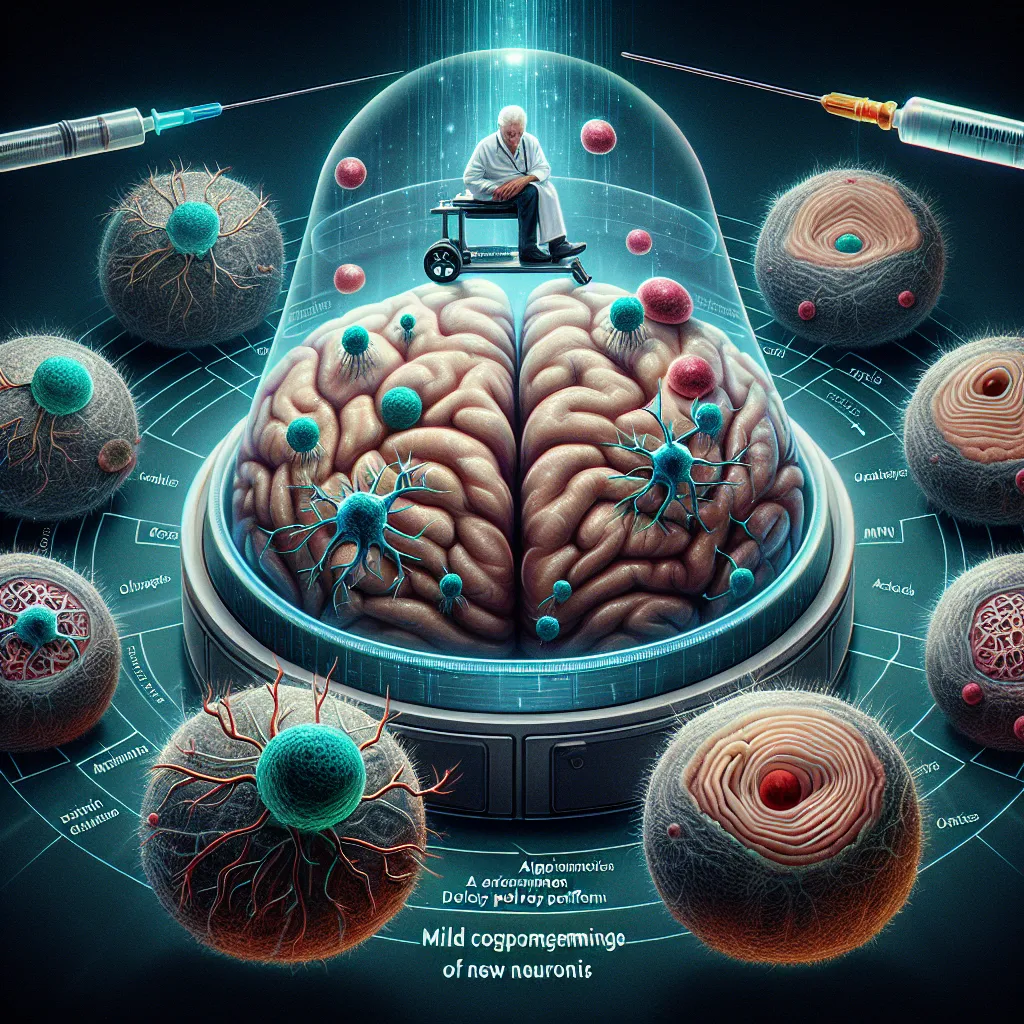
Neurons don’t regenerate well—but glial cells do. Emerging studies show glia can be reprogrammed into new neurons, potentially repairing damage from Alzheimer’s or stroke. NeuroWeave commercializes this process via a delivery platform (viral or mRNA-based) that targets astrocytes or oligodendrocytes in specific brain regions to initiate reprogramming. Their initial product is aimed at mild cognitive impairment in aging adults. With the convergence of brain-region-targeted vectors, cell fate programming, and rising neurodegenerative disease prevalence, now is the time to turn academic breakthroughs into neuro-restorative therapies. It’s like cellular reprogramming—but for your brain.
Description
No additional description provided.
The Pitch
Recent scientific breakthroughs have opened an extraordinary pathway to combat neurodegenerative diseases by harnessing the power of glial cells. Unlike neurons, which have a limited capacity to regenerate, glial cells offer a promising opportunity for neural repair. NeuroWeave is positioned to transform these academic insights into a viable therapeutic solution, addressing ailments like Alzheimer's and stroke by reprogramming glial cells into functional neurons.
Backstory: The human brain, a remarkably complex organ, is susceptible to degenerative diseases that currently lack effective treatments. Alzheimer's disease, strokes, and other neurodegenerative conditions affect millions worldwide, leading to a significant decline in quality of life. Scientific discovery has revealed that glial cells, which support and protect neurons, can be reprogrammed into new neurons. This potential for cellular reprogramming forms the foundation for the therapeutic innovations NeuroWeave seeks to commercialize.
Problem: The prevalence of neurodegenerative diseases is steadily rising, with current treatment options providing only symptomatic relief rather than addressing the root cause—neuron damage or loss. There is an urgent need for novel therapies that can repair or replace damaged neurons, providing patients with improved cognitive function and quality of life. However, translating these scientific breakthroughs into practical, scalable treatments remains a significant challenge.
Solution: NeuroWeave aims to turn cutting-edge research on glial cell reprogramming into a delivery platform that can effectively and safely transform these cells into neurons. By focusing on the targeted delivery of viral or mRNA-based vectors, NeuroWeave's technology will initiate reprogramming at the cellular level. The initial product will focus on aiding individuals with mild cognitive impairment (MCI), a common precursor to more severe neurodegenerative diseases in aging adults.
Product Details: The NeuroWeave platform is designed to target specific brain regions where neurodegeneration is known to occur, using vectors that can penetrate the blood-brain barrier effectively. The vectors carry the necessary genetic instructions to reprogram astrocytes or oligodendrocytes—types of glial cells—into functioning neurons. This reprogramming aims to restore neural networks compromised by disease, thereby improving cognitive functions and potentially reversing the progression of conditions like Alzheimer's.
Tools for Launching an MVP: Developing a Minimum Viable Product (MVP) for NeuroWeave involves several key steps: 1. Collaboration with research institutions for access to the latest glial cell reprogramming technologies. 2. Utilization of biotech tools and platforms for vector design and optimization. 3. Conducting preclinical trials to assess safety and efficacy in relevant models. 4. Leveraging partnerships with pharmaceutical companies for further development and distribution.
Go-To-Market Strategy: NeuroWeave's GTM strategy focuses on a phased approach: - Phase 1: Target early adopters among research hospitals and specialty clinics focusing on neurodegenerative diseases. - Phase 2: Expand to larger healthcare systems and seek regulatory approval in key markets. - Phase 3: Establish partnerships for distribution and raise awareness through educational campaigns targeting healthcare professionals and patients.
Business Model: NeuroWeave will operate on a B2B model, collaborating with healthcare providers and pharmaceutical companies for product distribution. Revenue streams will include licensing agreements, technology partnerships, and direct sales to medical institutions. A subscription-based model for continued access to updated technology and support services can further ensure a steady revenue flow.
Conclusion: NeuroWeave embodies a revolutionary leap in the treatment of neurodegenerative diseases. By capitalizing on recent scientific advancements in glial cell reprogramming, the company is set to offer transformative therapies that improve cognitive function, offering hope to millions affected by these debilitating conditions.