Remote Control Construction: Building Sites with Tele-Operated Heavy Machinery
Description
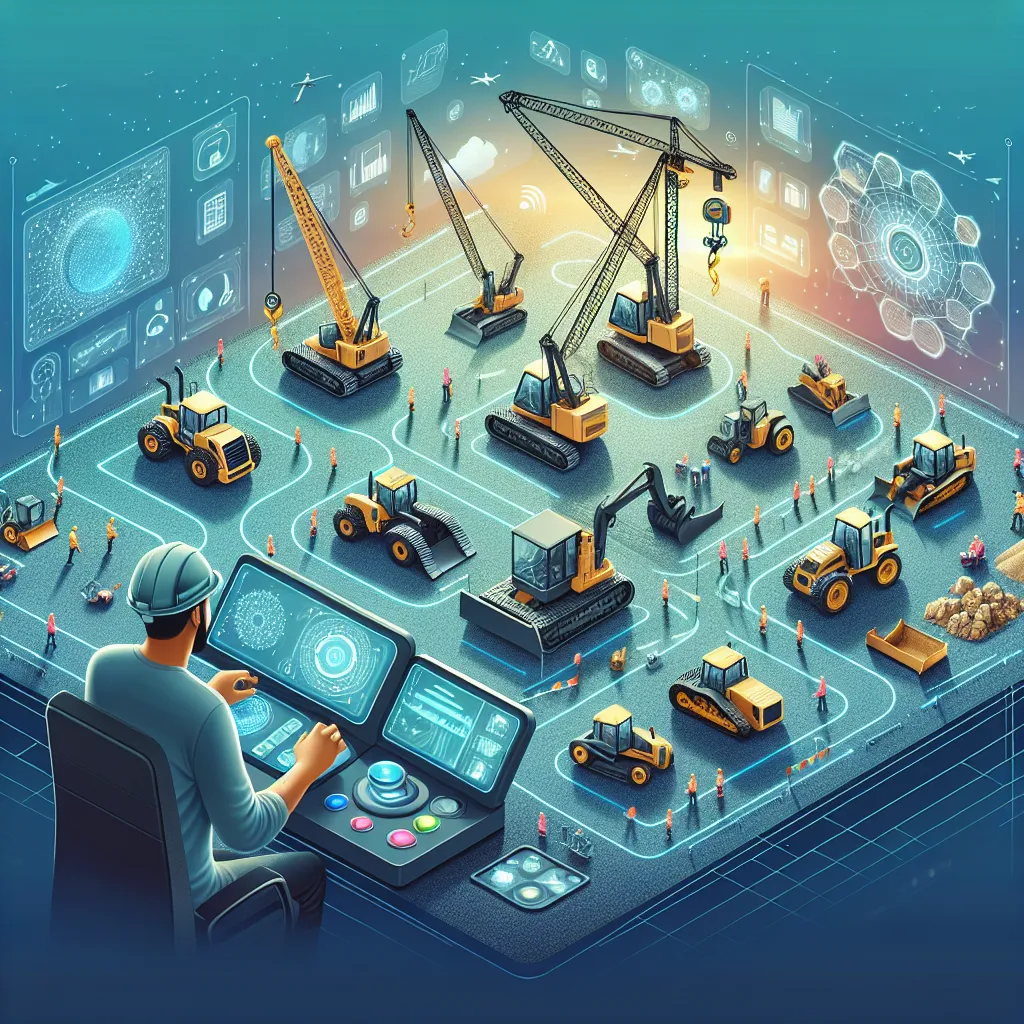
Remote-operated Heavy Machinery: A company focused on tele-operated heavy machinery for construction sites. This would allow skilled operators to manage machinery from a distance, reducing on-site labor costs and increasing safety.
The Pitch
The construction industry faces significant challenges that include high labor costs, on-site accidents, and a shortage of skilled machinery operators. Frequent on-site accidents impact timelines and finances, and the physical demands of operating heavy machinery in harsh environments can deter potential workforce members, further compounding workforce shortages.
Solution Overview: Our solution is a state-of-the-end tele-operation platform for heavy machinery, enabling operators to control equipment such as excavators, cranes, and bulldozers from a remote location. Equipped with advanced cameras, sensors, and robust control systems, operators can perform precise and efficient work as if they were physically present at the construction site. This technology integrates seamlessly with existing machinery models via retrofit kits, alongside a range of newly designed, tele-operated only machinery.
Target Audience: Our primary targets are large construction companies and contractors involved in infrastructure, commercial and residential building projects. Additionally, disaster response teams and mining companies will greatly benefit from deploying tele-operated heavy machinery in unsafe or unstable environments.
Value Proposition: Our solution provides substantial cost-saving by reducing the number of skilled personnel needed on-site, thus slashing travel and accommodation expenses related to moving and housing employees near remote sites. By improving safety, it also decreases insurance costs and liabilities. Moreover, our technology enhances productivity through precision technology and reduces the physical toll on operators, potentially attracting a more diverse workforce.
Market Analysis: The global market for construction equipment was valued at approximately $140 billion in 2022 and is expected to grow as urbanization continues. However, there is a marked increase in demand for technological solutions that promise efficiency and safety. With industry trends moving towards automation and digital management systems, remote-operated heavy machinery will undoubtedly capture the attention of forward-thinking companies looking to optimize their operations.
Implementation Plan: Our plan consists of three key phases: 1. Development & Testing: Partner with machinery manufacturers and tech developers to create a viable product. 2. Pilot Programs: Launch pilot projects with select partners for field testing and to gather user feedback. 3. Full-Scale Rollout: Post-pilot adjustments and commence full-scale production and distribution, simultaneously launching training programs for operators and technicians.
Monetization Strategy: Our revenue will be generated through multiple streams: - Sales of retrofit kits and custom-designed machines. - Subscription-based access to the software platform, which includes regular updates and technical support. - Training programs for operators and technicians.
Impact Assessment: We anticipate considerable positive impacts: - Economic: Reduction in operational costs for construction projects and expansion of the workforce by including those unable to work on-site. - Safety: Significant decrease in accidents and related costs, with an external validation study to quantify this. - Environmental: Potential reduction in carbon footprint by decreasing the need for on-site presence and streamlining operations possibly leading to less machine running time.
This innovation is not only a step toward safer and more efficient construction practices but also an opportunity to redefine industry standards in response to contemporary economic and environmental challenges. By adopting our remote-operate heavy machinery solution, companies will position themselves at the forefront of the construction sector's future.