Relocatable Data Centers for Dynamic Computing Needs
Instead of permanent hyperscale builds, this startup deploys relocatable data centers that move where energy is cheap, demand spikes, or disasters occur. Think containerized, financeable, short-lived compute infrastructure. Why now: static infrastructure can’t keep up with volatile AI demand. Example: a temporary compute surge is deployed near excess hydro power during rainy seasons, then relocated months later.
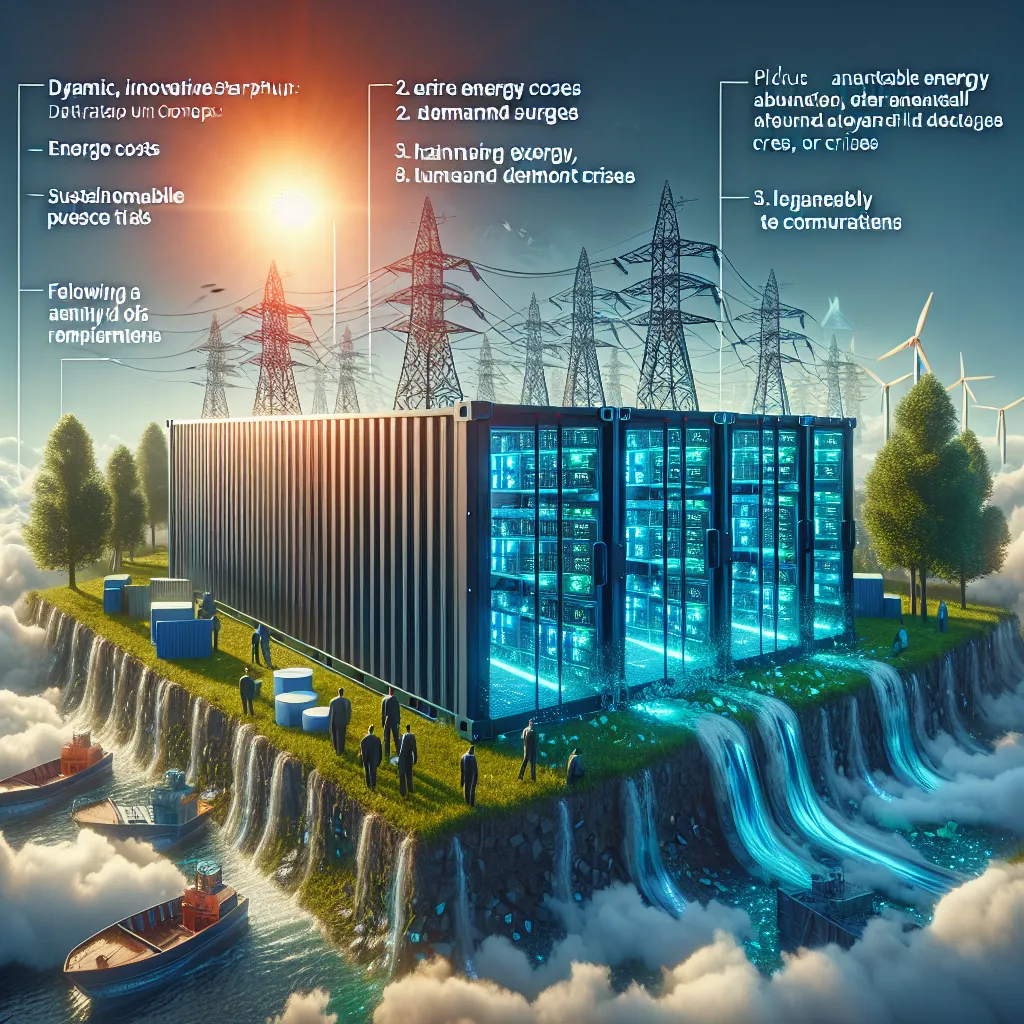
Description
No additional description provided.
The Pitch
In today's rapidly changing technological landscape, the demand for computational power is not only increasing but becoming more unpredictable. Traditional data centers, with their permanent locations and extensive capital investments, often struggle to adapt to fluctuating needs and varying electricity prices. This solution introduces a novel approach to data center infrastructure: relocatable data centers. These are designed to move based on energy costs, demand peaks, or disaster relief needs, offering a flexible and financeable option for modern businesses.
Backstory: With the rapid advancement of AI technologies and the need for scalable computation capacities, industries such as AI research, big data analytics, and cloud services are experiencing unpredictable demand surges. Moreover, the push for renewable energy sources like hydro and solar power has led to generation patterns that traditional, static data centers cannot capitalize on efficiently. In this context, relocatable data centers present a compelling opportunity.
Problem: 1. Static Infrastructure: Traditional data centers are fixed installations that require significant capital investment and are unable to adapt quickly to changing demand and energy availability. 2. Cost Implications: With fluctuating electricity prices, companies are incurring high operational costs during peak demand periods. 3. Inefficiency and Limited Utilization: Permanent data centers cannot optimize their use of renewable energy sources due to geographical restrictions.
Solution: The solution lies in creating portable, containerized data centers that can be relocated with ease. These units can temporarily move to areas with excess energy supply and low prices, potentially following weather patterns or renewable energy availability. Additionally, they can be deployed as short-lived solutions for unexpected demand peaks or to provide emergency relief in disaster-affected areas.
Product Details: - Modular Design: Containerized units with customizable configurations to suit various compute needs. - Rapid Deployment: Quick setup and teardown times to ensure minimal operational disruption. - Energy Efficiency: Designed to integrate seamlessly with renewable energy sources and optimize power utilization. - Connectivity: High-speed satellite and terrestrial communication solutions to ensure robust data connectivity regardless of location. - Financing Options: Leasing models available to minimize upfront costs and financial risk for businesses.
Tools for MVP Launch: 1. Container Technology: Use standardized shipping containers retrofitted with compute hardware and cooling systems. 2. Cloud Orchestration Platforms: Tools like Kubernetes to manage workloads effectively across locations. 3. Automated Monitoring Systems: IoT-based solutions for real-time monitoring of energy usage and operational health. 4. Partnerships with Renewable Energy Providers: Establish alliances with energy companies to ensure access to preferential rates.
Go-to-Market Strategy: 1. Target Initial Markets: Focus on industries with predictable seasonal energy availability, such as countries with significant hydro power generation. 2. Strategic Partnerships: Collaborate with renewable energy firms and disaster relief agencies to highlight the flexibility and utility of the product. 3. Demonstration Projects: Initiate pilot projects in high-demand regions to showcase the effectiveness and benefits of relocatable data centers. 4. Thought Leadership: Publish insights and case studies on the adaptability and economic advantages of mobile data centers.
Business Model: 1. Subscription-Based Leasing: Offer flexible leasing models that scale with customer demand and location changes. 2. Pay-Per-Use: Implement a pricing structure based on energy consumption and compute usage to align costs with operational needs. 3. Value-Added Services: Provide additional services such as advanced cybersecurity, dedicated connectivity, and on-demand computing resources.
Conclusion: Relocatable data centers represent a forward-thinking solution to the dynamic demands of modern computation. By offering flexibility, efficiency, and scalability, this approach aligns perfectly with the needs of industries seeking to leverage renewable energies while optimizing operational costs. As the technology landscape continues to evolve, businesses that adopt adaptable infrastructure solutions are poised to thrive.