Reimagining Nostalgic Junk Food for Modern Tastes
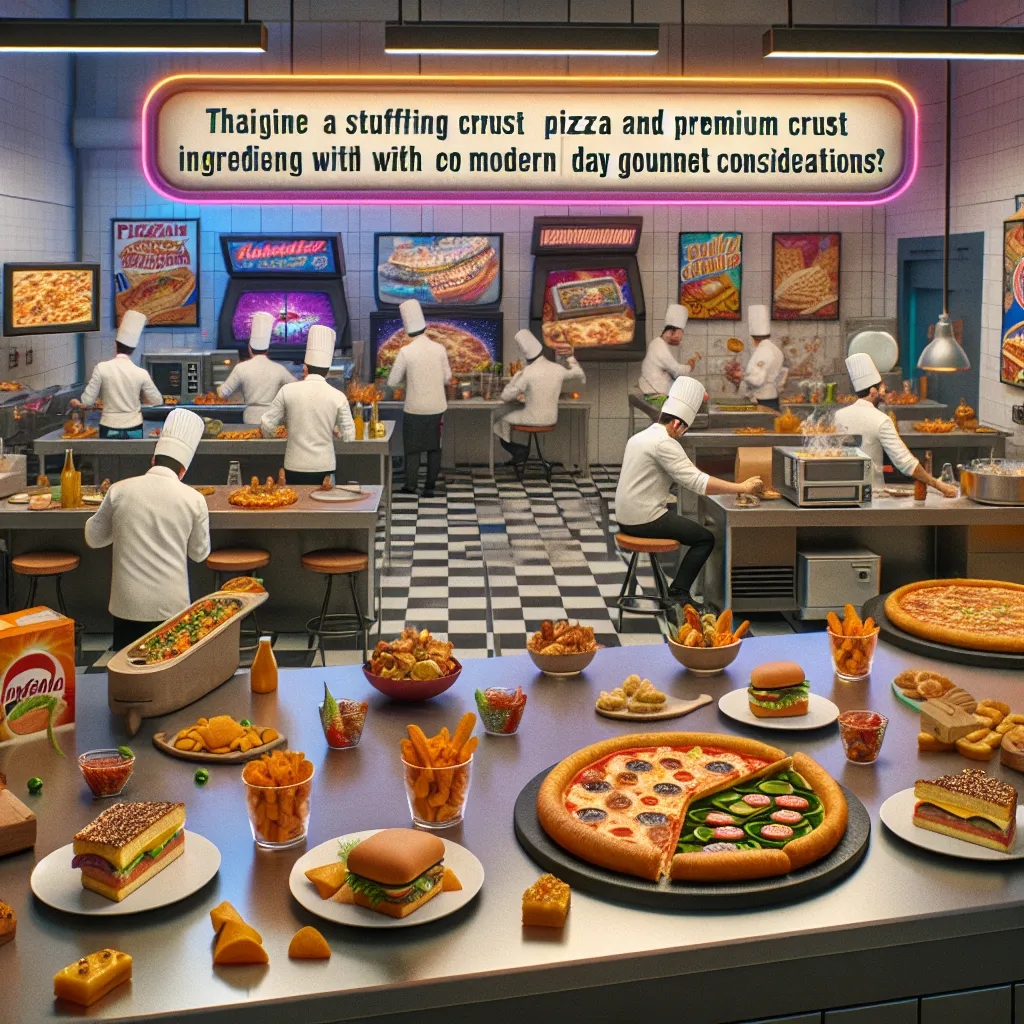
Everyone loves junk food. But legacy brands are slow, regulatory-constrained, and stuck in old formats. This incubator would create “elevated nostalgia” brands that reimagine iconic junk foods—like stuffed crust pizza or fast-food sandwiches—with upgraded ingredients, bold new delivery formats, and modern dietary twists. Think of it as the A24 of food: cinematic, high-impact launches with cult appeal. Each brand is its own standalone entity with tight theming and strong DTC or fast casual distribution strategies. Products can embrace indulgence, performance, or both. Unlike general food accelerators, this incubator focuses entirely on palate-dominating, emotionally charged foods. It’s food that’s engineered to feel new, but tastes like childhood—bigger, bolder, and better.
Description
No additional description provided.
The Pitch
In a world where everyone has a fond memory of their favorite junk food, there's often a longing to relive those experiences without compromising on modern dietary preferences. Traditional brands, however, are often bogged down by regulatory constraints and outdated perceptions, limiting their ability to evolve these cherished classics. Enter the concept of an Elevated Nostalgia food incubator, designed to breathe new life into iconic junk foods with upgraded ingredients, bold delivery formats, and innovative twists that cater to contemporary tastes and lifestyles. Imagine a creative space that functions as the A24 of the food industry, producing memorable and culturally relevant food experiences with each launch.
Backstory
The allure of nostalgia is powerful. For many, junk foods evoke comforting memories of simpler times, social gatherings, and pure indulgence. Yet, as today's consumers become more health-conscious and adventurous, they yearn for something more—from cleaner ingredients to unique culinary narratives that still capture that original magic. Legacy brands often struggle to innovate within this space, facing logistical challenges and hesitations about diverging from their classic formulas. This gap between timeless cravings and modern expectations presents a unique opportunity to create reimagined versions of beloved treats.
Problem
1. Legacy brands are slow to adapt to changing consumer demands, especially regarding health and dietary trends. 2. There's limited innovation in delivering nostalgic foods with a modern twist that appeals to both younger and older generations. 3. Consumers desire an emotional connection with food that is both comforting and daringly new, but have few options that strike this balance.
Solution
The solution is to launch an incubator specifically for developing elevated nostalgia brands. These brands will focus on engineering foods and beverages that evoke the comforting flavors of childhood, paired with the excitement of new culinary adventures. Each brand within the incubator will be a standalone entity, offering tightly themed products with robust direct-to-consumer (DTC) or fast-casual distribution strategies.
Product Details
1. **Upgraded Ingredients**: Use high-quality, ethically sourced, and healthier alternatives while preserving the core taste profiles that define these nostalgic foods. 2. **Bold Delivery Formats**: Explore unconventional formats and presentation styles for increased consumer engagement and shareability. 3. **Modern Twists**: Integrate dietary trends such as plant-based options, gluten-free ingredients, or functional benefits like added protein or superfoods. 4. **Theming and Branding**: Emphasize strong storytelling and visual identity to cultivate cult appeal and brand loyalty.
Tools for MVP Launch
1. **Culinary Development Platforms**: Use companies like Pilotworks for kitchen space and food production testing. 2. **E-commerce Solutions**: Platforms like Shopify for building DTC channels, enabling easy online product launches. 3. **Marketing Tools**: Utilize social media marketing tools such as Instagram and TikTok to generate buzz and create visually enticing content. 4. **Logistics Partners**: Partner with services like ShipBob or FedEx Fulfillment to seamlessly manage inventory and distribution.
Go-To-Market Strategy
1. **Influencer Partnerships**: Collaborate with food influencers who have a nostalgic taste or interest in innovative food creation to reach niche audiences. 2. **Viral Launch Events**: Host launch events that double as tasting experiences and media opportunities, amplifying initial consumer interest. 3. **Community Building**: Create online communities around each brand for fans to share experiences, recipes, and potential new ideas. 4. **Pop-Up Shops**: Temporary physical locations in strategic urban areas can drive buzz and let consumers engage with the products in person.
Business Model
1. **DTC Sales**: Focus on online sales to maximize reach and control over brand narrative, using subscription models for ongoing customer engagement. 2. **Licensing and Partnerships**: Explore collaborations with existing food brands or hospitality partners for further reach and credibility. 3. **Franchise Opportunities**: For successful brands, consider franchising models to expand fast-casual locations. 4. **Merchandising**: Expand brand presence and customer loyalty through branded merchandise that resonates with the nostalgic theme.
Conclusion
This incubator is poised to reimagine how people interact with traditional junk foods, offering a cinematic and emotive culinary journey that capitalizes on both nostalgia and new-age culinary trends. By integrating mindful ingredients and memorable branding, each brand within this incubator has the potential to become a powerful force in the evolving landscape of food culture.