Regional Snow Cooperative for Efficient Resource Sharing
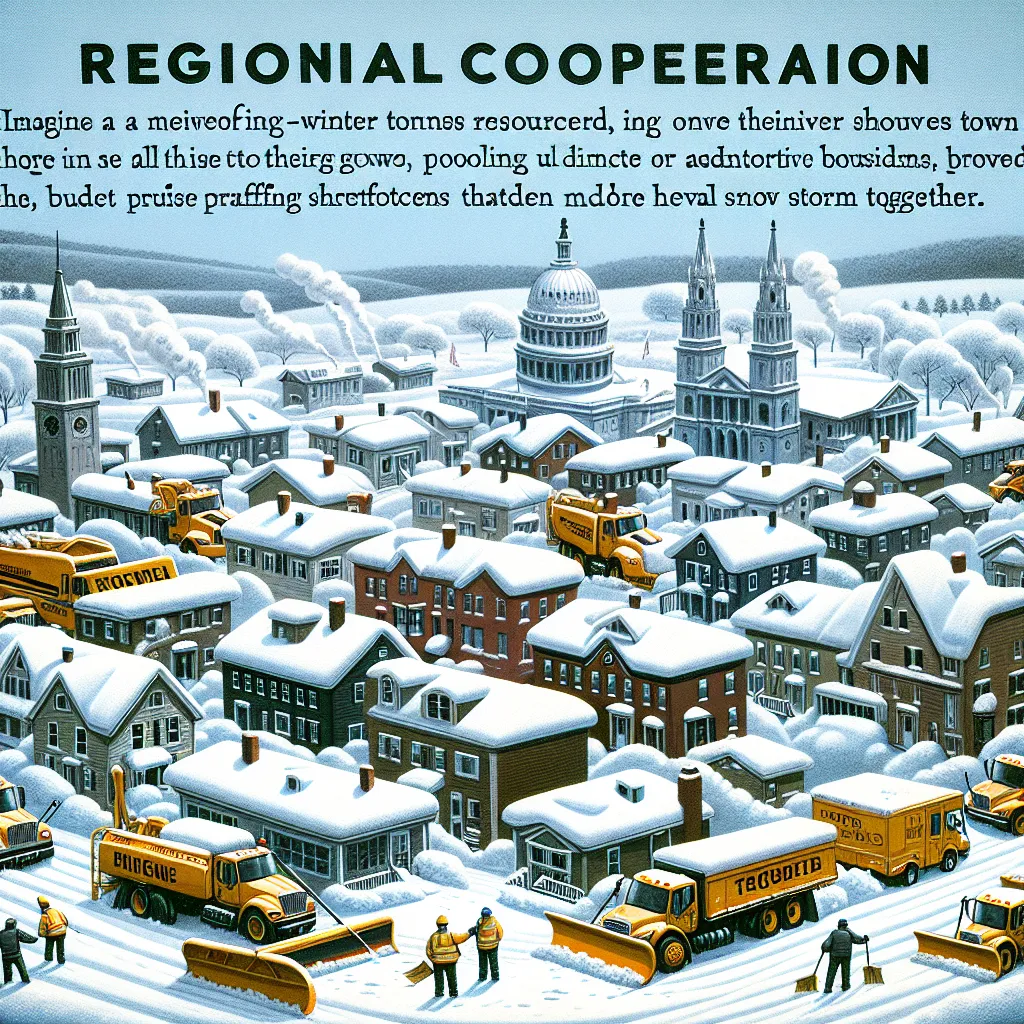
Every city responds to winter as if it exists in isolation, even though storms don’t respect municipal borders. A regional snow cooperative allows neighboring towns to jointly purchase equipment, labor capacity, and materials, allocating them dynamically based on storm impact instead of political boundaries. This makes sense now because budget pressure and staffing shortages are forcing collaboration that used to be blocked by bureaucracy. Five towns could share a smaller, better-utilized fleet instead of each over-buying and under-using their own
Description
No additional description provided.
The Pitch
In the face of increasingly unpredictable weather patterns, cities find themselves grappling with the challenge of winter management. Each city plans its winter response strategy in isolation, despite the fact that weather conditions and storms do not adhere to municipal boundaries. This traditional approach results in inefficiencies, resource wastage, and increased expenditures. The Regional Snow Cooperative offers a new paradigm, proposing a collaborative model that allows neighboring towns to pool resources and respond dynamically based on actual need, rather than rigid political divisions.
Backstory: In recent years, municipalities have experienced heightened budget constraints and staffing shortages, limiting their capacity to respond adequately to severe winter conditions. As snowstorms become more frequent and intense, cities are struggling to maintain clear roads and ensure public safety. Historically, attempts at collaboration between cities have been mired in bureaucracy and political considerations, deterring effective cooperation.
Problem: Individual townships face significant challenges in managing their winter response independently. Key issues include over-purchasing of equipment, under-utilization of resources, and an inability to effectively handle variable storm impacts. As a result, there is a pressing need for a more efficient system that can adapt to real-time conditions without sacrificing service quality.
Solution: The Regional Snow Cooperative aims to revolutionize winter management by facilitating a collaborative, regional approach. This cooperative enables towns to jointly purchase and share equipment, labor, and materials. By dynamically allocating these resources based on storm impact rather than fixed political boundaries, towns can achieve higher efficiency and cost-effectiveness.
Product Details: 1. Shared Resources: Create a collective pool of snow management equipment, including plows, salt spreaders, and snow blowers, available for use by member towns as needed. 2. Coordinated Labor: Develop a regional workforce of snow management professionals who can be deployed where they are needed most, optimizing manpower and reducing response times. 3. Flexible Material Distribution: Employ a centralized system for purchasing and distributing de-icing materials, ensuring that supplies are directed to areas most affected by storms.
Tools for Easy MVP Launch: 1. Cloud-Based Management Platform: Develop an online platform that facilitates real-time tracking and allocation of resources and personnel. 2. Data Analytics: Utilize weather forecasting and impact assessment tools to predict storm paths and intensity, enabling proactive deployment of resources. 3. Communication Network: Establish a reliable communication system connecting all member towns for seamless coordination and decision-making.
Go-To-Market Strategy: 1. Pilot Program: Launch a pilot with a small group of neighboring towns to demonstrate the benefits and gather initial feedback. 2. Stakeholder Engagement: Engage with local governments, community leaders, and public works departments to build trust and encourage participation. 3. Marketing Campaign: Develop a comprehensive outreach strategy highlighting the cost savings, efficiency gains, and safety improvements offered by the cooperative model.
Business Model: 1. Membership Fees: Implement a tiered membership structure where towns contribute based on their size and expected usage of cooperative resources. 2. Usage-Based Pricing: Introduce a model where towns are charged based on actual resource utilization, incentivizing efficient use of the shared pool. 3. Government Grants and Subsidies: Seek funding from state and federal programs dedicated to regional cooperation and infrastructure improvement.
Conclusion: The Regional Snow Cooperative presents a forward-thinking solution to the enduring challenges of winter management faced by municipalities. By embracing regional collaboration, towns can simultaneously enhance their service capabilities, reduce costs, and improve public safety. This innovative model not only addresses immediate needs but also sets a precedent for future cooperative efforts in other areas of municipal governance.