Reframing Aging: Redirecting Funds to Longevity Science
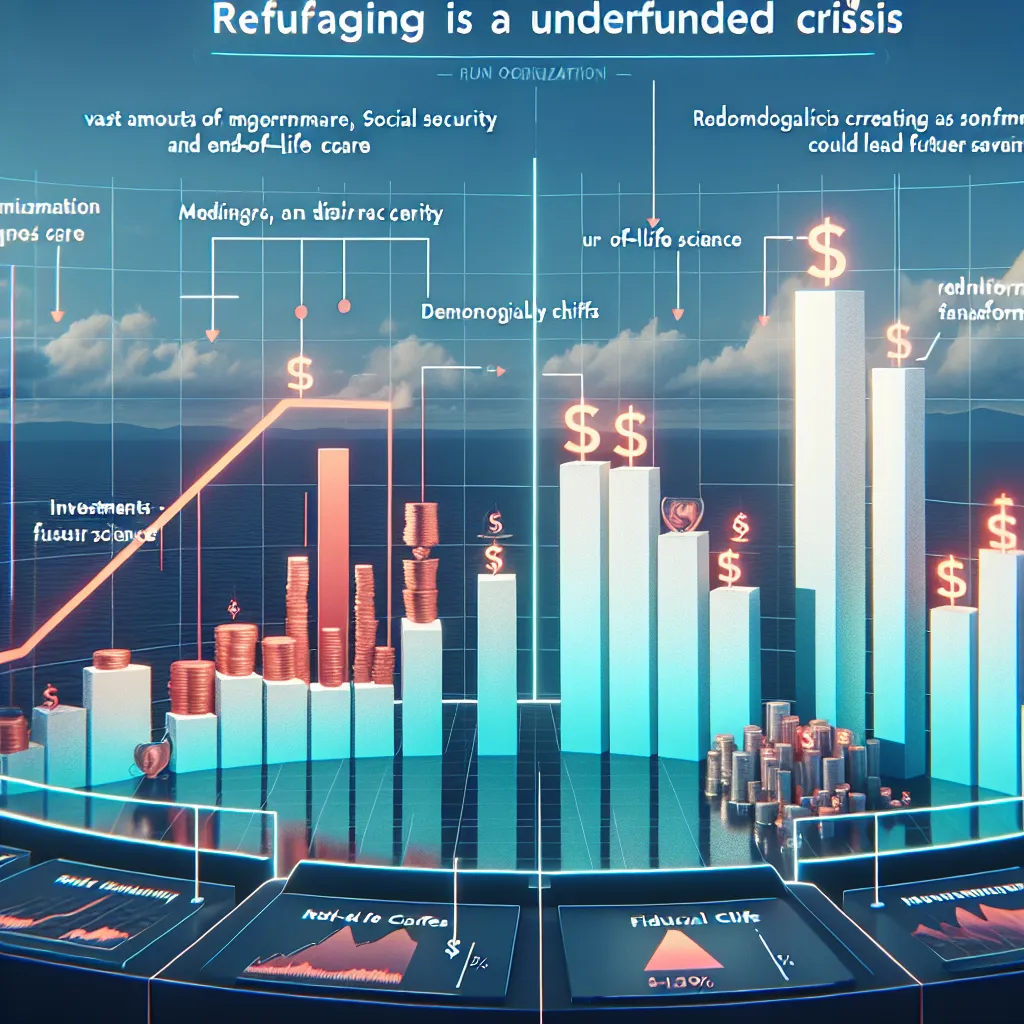
Governments spend trillions managing decline through Medicare, Social Security, and end-of-life care, but invest virtually nothing in root-cause longevity science. A public finance tech platform or nonprofit would expose this misallocation and model new strategies to reallocate even 1–2% of entitlements toward preventative and rejuvenation research. This is critical now as demographic shifts create fiscal cliffs and voters begin to notice. Just as Carbon Tracker reshaped climate finance by visualizing mispriced fossil assets, this project would reframe aging as the largest underfunded crisis — and show how redirecting funds could save trillions and lives.
Description
No additional description provided.
The Pitch
Current public investments are heavily focused on managing decline rather than preventing it. Governments worldwide are spending vast amounts on Medicare, Social Security, and end-of-life care, allocating limited funds toward longevity science that could address root causes of aging and extend healthy years of life. This document explores a powerful opportunity to develop a public finance tech platform or nonprofit that highlights this misallocation, suggesting a strategic reallocation of funds toward preventative and rejuvenation research.
Backstory: As populations age, governments face intense fiscal pressures to support aged citizens through healthcare and welfare systems. These systems are reactive, focusing on managing ailments and decline rather than preventing them. With demographic shifts leading to fiscal cliffs and increasing awareness among voters, it is more crucial than ever to explore alternative investment strategies. An effective analogy can be drawn from the environmental finance sector, where initiatives like Carbon Tracker have transformed perceptions by showcasing mispriced fossil assets. Similarly, there is a pressing need to shift the narrative around aging, framing it as a solvable issue if appropriately funded.
Problem: The primary challenge is the misallocation of public funds, where trillions are funneled into aging systems that manage decline rather than prevent it. While scientific breakthroughs in longevity and healthspan research present viable solutions, they remain severely underfunded. The lack of proper investment not only perpetuates inefficiencies in public spending but also squanders the potential to significantly enhance human life quality.
Solution: Developing a public finance tech platform or a nonprofit could address this issue by exposing the current misallocation and creating models for reinvestment. By reallocating even 1–2% of current entitlement funds toward preventative and rejuvenation research, governments could potentially save trillions in future costs and improve life quality.
Product Details: - The platform or organization will serve as a hub for data collection, analysis, and visualization. - It will aggregate existing financial data related to public health and longevity science investments. - Users will be able to model different financial scenarios showcasing potential savings and benefits of reallocation. - Decision-makers will be equipped with tools and reports highlighting the tangible benefits of investing in longevity science. - The platform can act as a bridge between scientific researchers, policy-makers, and the public to foster a broader understanding of how investments in longevity research can be beneficial.
Tools for MVP Launch: - Utilize cloud-based data analytics platforms such as AWS or Google Cloud for data processing and storage. - Employ data visualization tools like Tableau or Power BI to create intuitive dashboards and reports. - Integrate economic modeling software to simulate various funding scenarios. - Develop a user-friendly web interface using frameworks such as React or Angular. - Conduct early-stage validation through workshops and webinars with stakeholders in government and research sectors.
Go-to-Market Strategy: - Begin with targeted outreach to key stakeholders in government, think tanks, and longevity research institutes. - Leverage social media and thought leadership content to build awareness and generate interest. - Forge partnerships with academic institutions and healthcare organizations to gain credibility and foster collaboration. - Host public webinars and conferences to discuss findings and advocate for policy change. - Publish case studies to demonstrate the real-world impact of reallocation models.
Business Model: - Initially operate as a nonprofit entity, securing funding through grants and donations from philanthropic organizations and research foundations. - Explore collaboration with governments to gain access to data and forge partnerships. - Offer premium services, such as custom reports and advisory for stakeholders interested in in-depth insights. - As the initiative gains traction, consider transitioning to a hybrid model with subscription-based access to advanced tools and analytics for institutions.
Conclusion: Reimagining public investment in longevity science is not just a financial imperative but a moral one. By developing a platform or nonprofit to address this, we can catalyze a significant transformation in public finance, unlocking trillions in savings and extending the healthy lifespan of millions. This initiative seeks to shift the narrative and pave the way for a future where aging is addressed proactively rather than reactively.