Reform Taxes to Invest in Longevity Advocacy
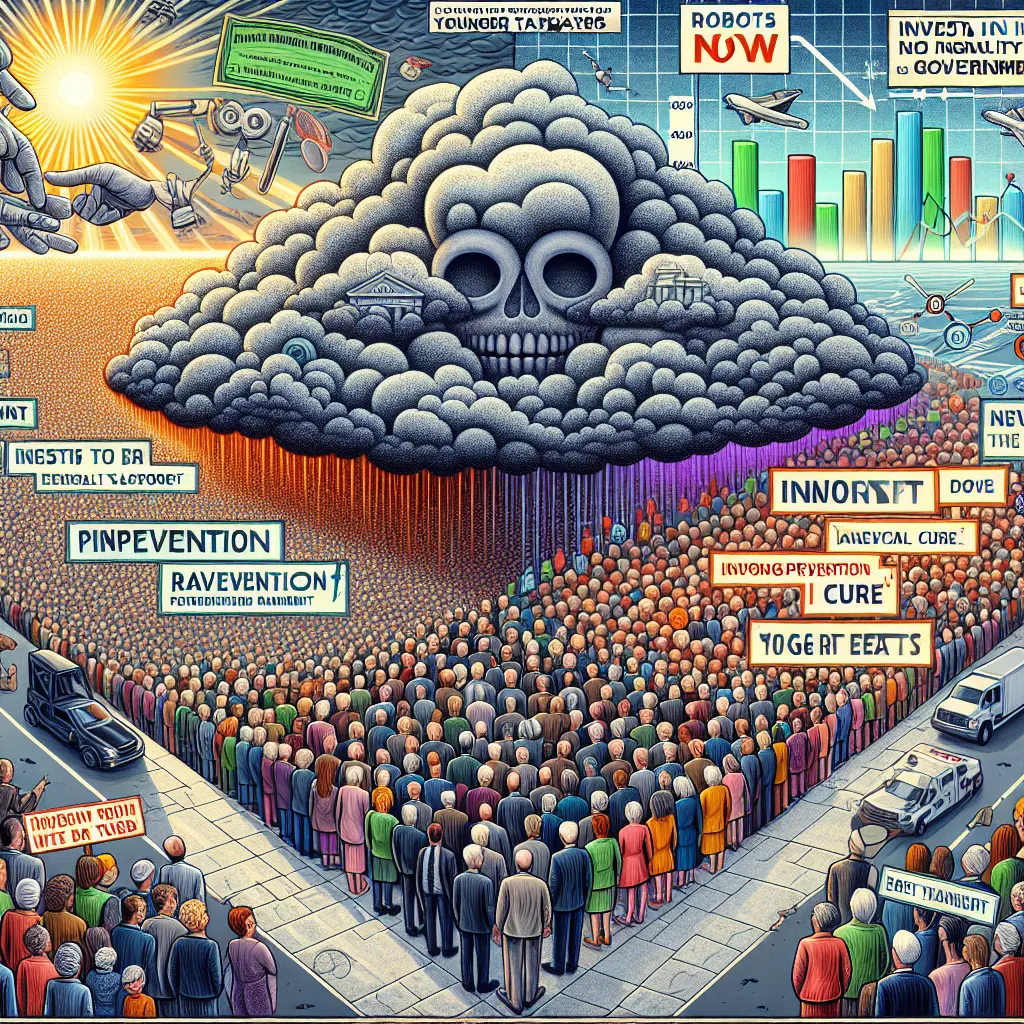
Most people don’t realize they are paying a “death tax” via 40% of their federal taxes going to aging-related entitlements. A media and advocacy platform would inform and mobilize citizens — particularly younger taxpayers — around the economic and personal costs of underinvesting in longevity. Think of it as an AARP for the 20–50 crowd, but instead of lobbying for more benefits, it demands investment in prevention and cure. The timing is right as tax burdens rise, trust in government erodes, and scientific evidence of age reversal becomes mainstream. If Enough, a climate youth movement, could shift the Overton window, so can this.
Description
No additional description provided.
The Pitch
Imagine a world where the burden of aging-related entitlements is not an inevitable weight on the shoulders of young taxpayers. Most people aren't aware that up to 40% of their federal taxes are allocated toward aging-related entitlements, commonly referred to as a ‘death tax.’ This allocation significantly limits the ability of younger generations to invest in their futures, save for education, or start families. In an era where tax burdens are increasing, trust in government is eroding, and scientific evidence for age reversal is gaining traction, the time is right to address this issue head-on.
Herein lies the problem: the economic and personal costs of underinvesting in longevity are vast, yet largely unrecognized. Younger taxpayers bear the financial weight, yet lack a voice in the conversation surrounding resource allocation. They are often unaware of the potential benefits of shifting focus toward prevention and breakthroughs in age-related research and treatment. This lack of awareness and mobilization results in continued underinvestment in longevity, perpetuating the cycle of burden on future generations.
The solution is a dedicated media and advocacy platform, akin to an AARP for individuals aged 20–50. This platform, however, would shift the narrative from lobbying for increased benefits to demanding substantial investment in the prevention and cure of aging-related issues. It would serve as a hub for information, advocacy, and community engagement, empowering young taxpayers to actively participate in shaping future policy decisions.
The product would be a dynamic, interactive platform offering a range of features:
1. **Educational Content**: Articles, videos, and podcasts that break down complex aging-related issues into understandable content, highlighting their economic and personal impacts.
2. **Community Engagement**: Forums and online communities to connect like-minded individuals, share stories, and collaborate on advocacy efforts.
3. **Advocacy Tools**: Resources and tools to help users reach out to policymakers, contribute to campaigns, and organize grassroots movements.
4. **Research and Innovation Updates**: Regular updates on scientific advancements in age reversal and longevity research, showcasing the potential for future investment.
Launching this platform as a Minimum Viable Product (MVP) can be facilitated by several tools:
- **Content Management System (CMS)**: Platforms like WordPress or Ghost for publishing and managing content. - **Community Platforms**: Tools like Discord or Slack for building and maintaining community engagement. - **Advocacy Software**: Platforms like NationBuilder or Phone2Action for organizing and mobilizing advocacy efforts. - **Analytics Tools**: Google Analytics or Mixpanel for understanding user engagement and improving platform features based on feedback.
To bring this platform to market, the go-to-market (GTM) strategy would focus on leveraging social media to build initial awareness, creating partnerships with influencers passionate about economic reform and longevity, and facilitating workshops or webinars to engage potential users.
The business model could be multi-faceted, with potential revenue streams from membership subscriptions for premium content, partnerships with health and wellness brands, and crowdfunding initiatives for specific advocacy campaigns. Additionally, grant funding or sponsorship opportunities could be explored, particularly from organizations focused on public health and economic reform.
By mobilizing younger generations and providing them with the tools and information they need, this platform has the potential to not only influence policy but also redirect societal investment towards a healthier, more sustainable future for all.