Real-World Pokédex: Educational Exploration Device for Kids
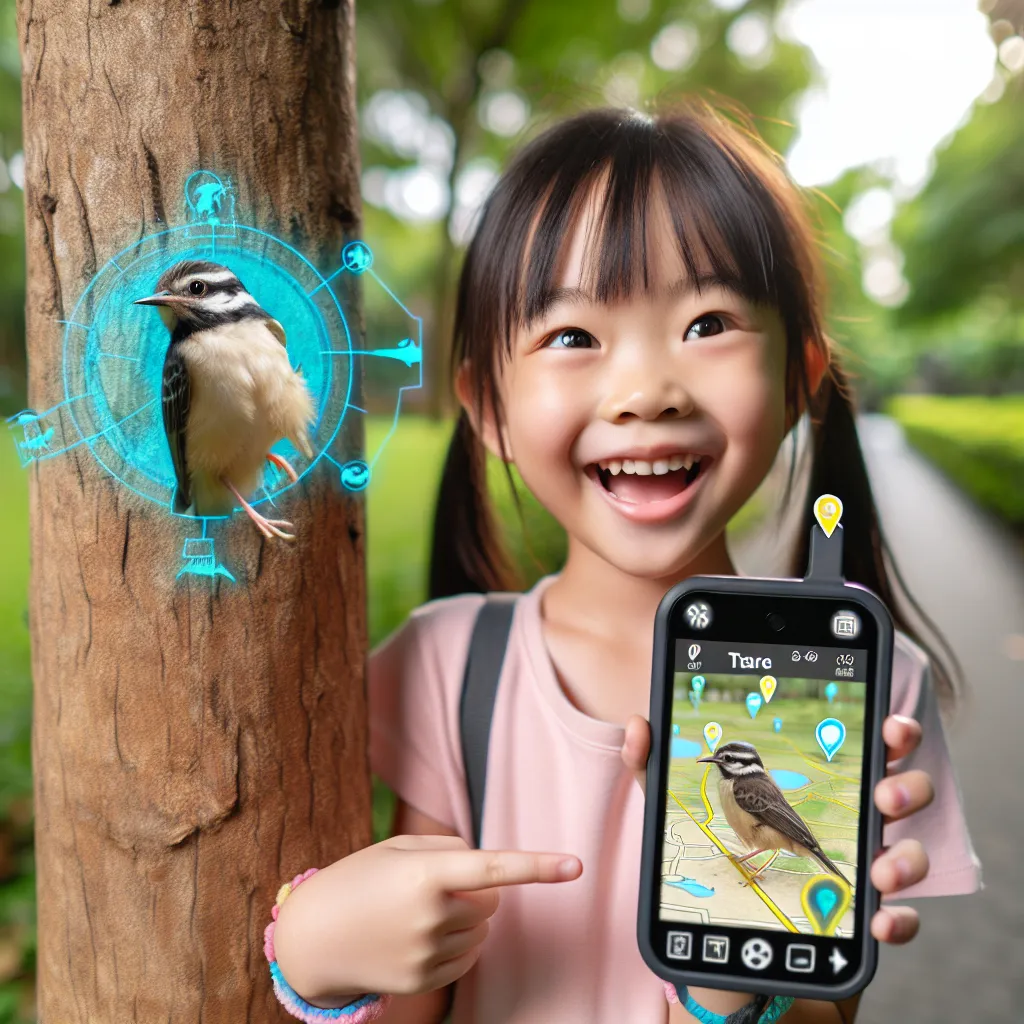
Kids are curious about the world, but smartphones hijack that curiosity instead of guiding it. The solution is a dedicated handheld device—a real-world Pokédex—that identifies animals, plants, landmarks, objects, and sounds using camera and audio input, then explains them in kid-friendly language. It tracks what you’ve “seen” and what’s still undiscovered, turning the real world into a scavenger hunt. This works now because computer vision and audio classification are mature, while parents increasingly want tech that educates without addicting. A child scans a bird in the park, learns its name, habitat, and rarity, and starts hunting for the ones they haven’t discovered yet.
Description
No additional description provided.
The Pitch
Young explorers are naturally driven by an insatiable curiosity about the world around them. However, this curiosity often gets diverted by the captivating yet often unproductive allure of smartphones. The challenge lies in redirecting this curiosity in a manner that both educates and engages. The proposed solution is the creation of a dedicated handheld device that acts as a real-world Pokédex for children. This device will identify animals, plants, landmarks, objects, and sounds using cutting-edge camera and audio input technologies. The information will then be relayed to the child in an engaging, easy-to-understand format.
At its core, this device transforms the real world into an interactive scavenger hunt, tracking what the child has already discovered and what remains to be explored. The timing for this innovation is ideal, as technological advancements in computer vision and audio classification have reached a level of maturity that can support such a product. Simultaneously, there is a growing demand from parents who seek technology solutions that can educate their children without contributing to screen addiction.
Consider a scenario where a child is at a park and spots a bird. They can use the device to scan the bird, instantly learning about its species, habitat, and rarity. This not only provides immediate educational value but also encourages the child to continue exploring in search of undiscovered flora and fauna.
The product details are as follows: The device will be portable and durable, equipped with a high-resolution camera, microphone, and a vibrant touch-screen display. It will employ advanced algorithms for image and sound recognition, and it will store a personalized log of the user's discoveries. The interface will be designed specifically for children, ensuring that the information is presented in an engaging and accessible manner.
To bring this product to life as a minimum viable product, several tools and technologies can be employed. Software development kits (SDKs) for machine learning and computer vision, such as TensorFlow or OpenCV, can assist in developing image and sound recognition capabilities. Hardware prototyping tools like Arduino or Raspberry Pi could be used to rapidly create physical models. For user interface design, no-code platforms such as Figma can be leveraged to quickly sketch and iterate on the children's interface.
The go-to-market strategy should emphasize the educational benefits and emphasize parental concerns about the impact of traditional screen time. Marketing initiatives could include partnerships with educational institutions and participation in tech fairs geared towards education and family-friendly products. A robust online presence featuring demonstrations, testimonials from educators and parents, and educational content to show the product's value will further bolster its appeal.
In terms of business model, the primary revenue stream would be the sale of the device. Additionally, a companion app could be developed that offers a subscription service. This service might provide access to exclusive content, such as new animal or plant data updated regularly, and features that enhance the educational experience, such as mini-challenges and educational content related to the user's discoveries. Collaborations with educational content creators and wildlife organizations could extend the utility and reach of the device, providing long-term value to both users and stakeholders.
In summary, this innovative device aims to reignite children's exploratory nature by merging education with technology in a healthy, engaging way. By focusing on fostering curiosity and learning, it transforms the natural world into an endless classroom, waiting to be discovered.