Real-World AR Games Platform for Brands
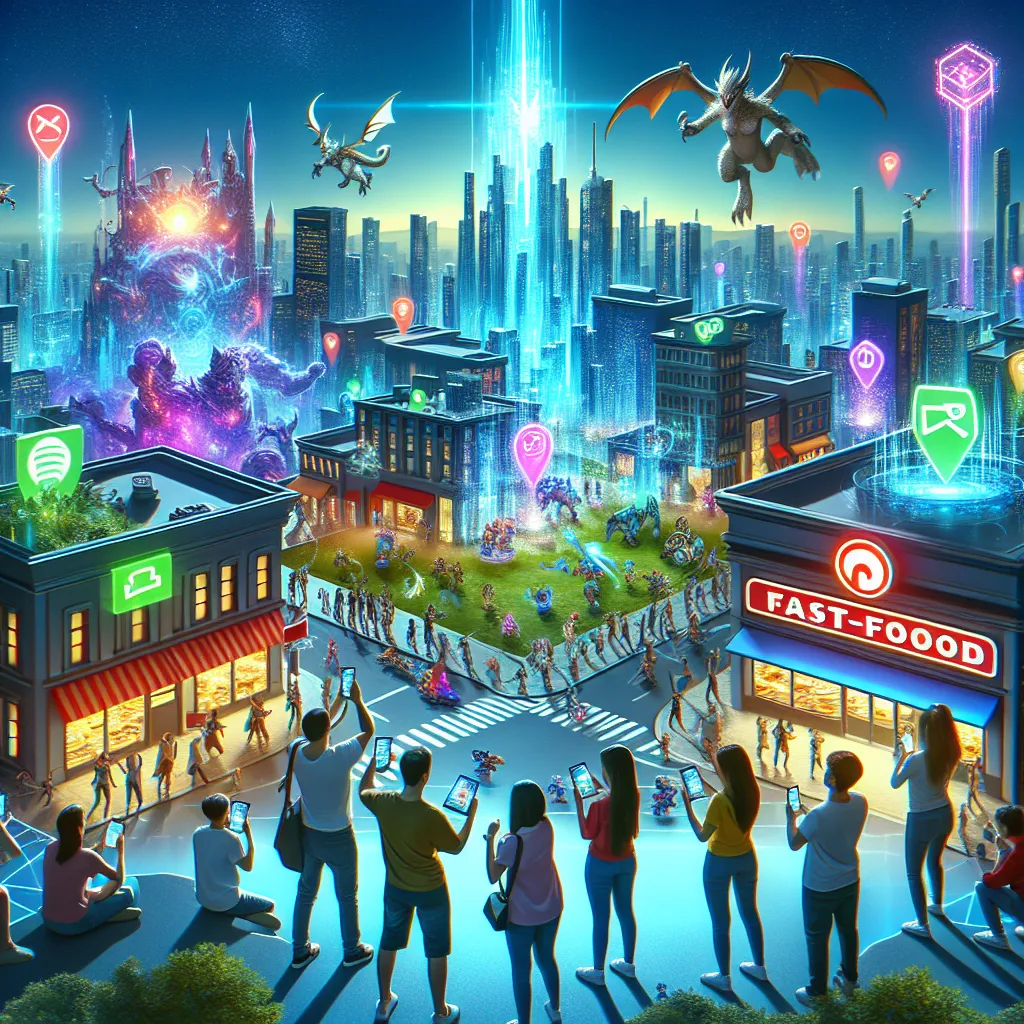
Games like Pokémon Go showed people are willing to play outside, but most AR/location-based games feel gimmicky or one-time-only. The problem is there’s no easy way to build persistent, interactive AR quests or PvP battles in real-world locations that people return to. This startup would let brands, creators, or developers build real-world games tied to physical spaces—like parks, retail stores, or campuses—with real-time multiplayer and rewards. Example: A fast food chain creates a city-wide AR battle game where players fight for control of stores, earning discounts and digital collectibles when they win.
Description
No additional description provided.
The Pitch
The success of games like Pokémon Go exemplifies the potential of augmented reality (AR) in engaging players through outdoor activities. However, most AR and location-based games have struggled to create lasting appeal, often feeling gimmicky or suited only for single-use experiences. The market is ripe for innovation that builds upon the initial excitement these games generated, offering players persistent, immersive AR experiences.
**The Problem**
Currently, there is a gap in the market for a platform that allows for the creation of ongoing, interactive AR quests or player-versus-player (PvP) battles in real-world locations. Existing games lack the capacity to integrate deeply with physical environments, limiting their ability to draw users back consistently. This repeatedly leads to player attrition once the novelty wears off, as there are no meaningful incentives or interactions that persist in the real world.
**The Solution**
The proposed startup aims to bridge this gap by developing a platform that enables brands, creators, and developers to craft real-world games intricately tied to physical spaces, such as parks, retail stores, or university campuses. These games will support real-time multiplayer interactions and offer tangible rewards, fostering repeated engagement and allegiance.
**Product Details**
1. **Platform Features**: - Easy-to-use tools for creating AR quests and PvP battles. - Integration with physical locations for immersive experiences. - Real-time multiplayer capabilities for engaging social interactions. - Reward systems delivering digital and physical incentives to players.
2. **User Interface**: - Intuitive design allowing users to easily navigate and create content. - Customization options for game creators to tailor the experience to their audience’s needs.
3. **Content Integration**: - Support for branded content to enhance marketing strategies. - Opportunities for businesses to drive foot traffic and engagement through interactive experiences.
**Tools for Launching the MVP**
1. **Unity and AR Foundation**: Utilize Unity’s cross-platform game engine and AR Foundation framework to develop the AR capabilities.
2. **Mapbox or Google Maps APIs**: Integrate detailed and reliable geographic information to accurately map quests to real-world locations.
3. **Firebase**: Leverage Firebase for real-time database management and real-time communication features.
4. **AWS or Google Cloud**: Use cloud services for robust backend support and scalability.
**Go-To-Market (GTM) Strategy**
1. **Target Audience Identification**: Focus on brands eager to expand customer engagement through innovative marketing, creators interested in storytelling in the AR domain, and developers looking to break into location-based gaming.
2. **Partnerships**: Collaborate with well-known brands and franchises during initial rollout to demonstrate the platform’s capacity and benefits.
3. **Pilot Programs**: Initiate pilot programs in key urban areas to gather user feedback and make necessary adjustments before broader market deployment.
4. **Community Building**: Foster a community of creators and players who can provide feedback, suggest improvements, and generate organic buzz.
**Business Model**
1. **Subscription Service**: Offer a tiered subscription model for creators and brands, based on the size of their target audience and the complexity of their games.
2. **Revenue Sharing**: Implement a revenue-sharing model where creators receive a percentage of income generated from in-game purchases or partnerships with local businesses.
3. **Premium Features**: Provide additional monetization through the sale of premium location-based analytics, custom branding options, or enhanced engagement tools.
This platform not only rejuvenates the concept of AR gaming by grounding it in real-world utility and interactivity but also taps into a burgeoning market eager for innovation that merges digital and physical realms. By delivering increased foot traffic and engagement to businesses, while offering players a captivating and rewarding experience, this initiative has the potential to redefine the AR gaming landscape.