Real-Time Stroke Prevention with Wearable Patch
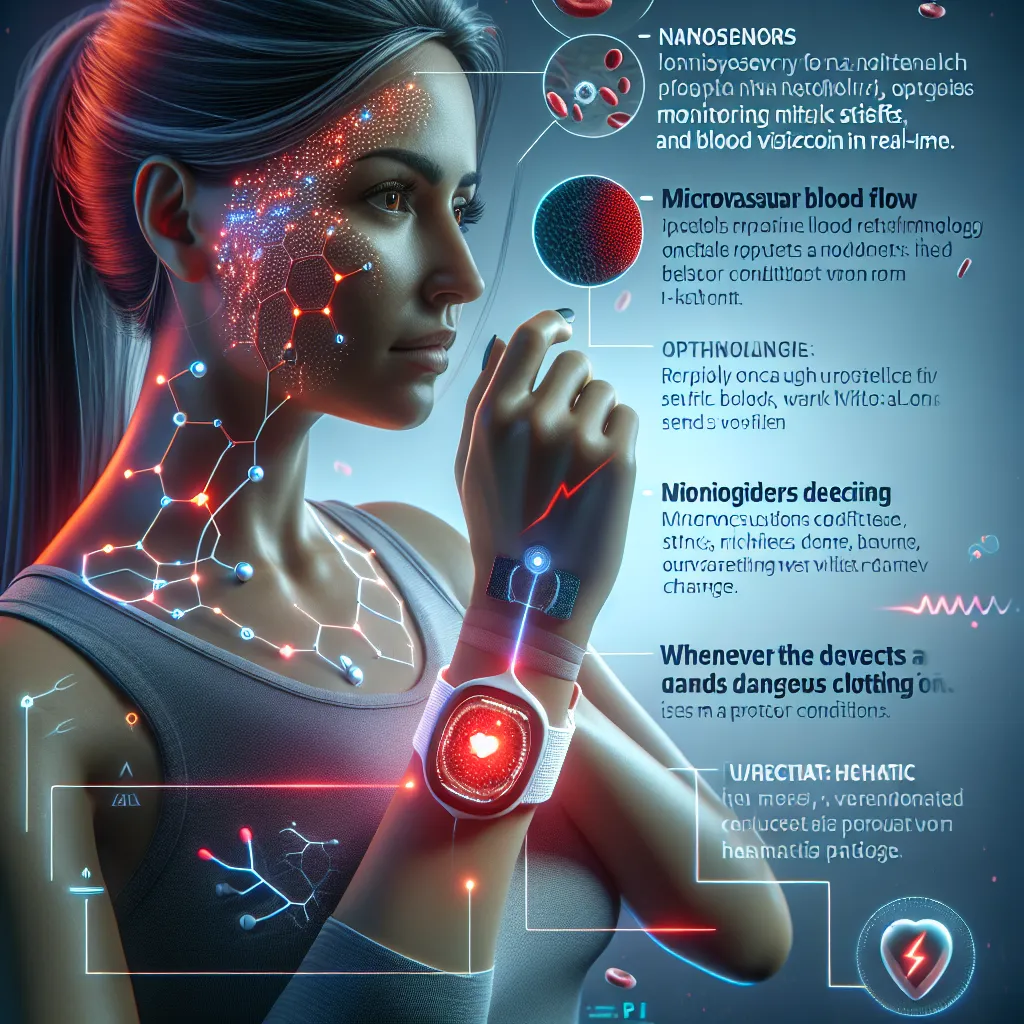
Strokes strike without warning, and current wearables can only monitor basic vitals like heart rate or blood pressure, missing the subtle blood flow disruptions that signal clot risk. Patients have no early alert system before disaster strikes. A novel solution is a wearable patch embedded with nanosensors and optical tech that monitors microvascular blood flow, stiffness, and blood viscosity in real time. If dangerous clotting conditions are detected, the device sends a proactive alert to the user and their physician. Advances in nanotechnology, real-time biosensing, and AI prediction models make this technically feasible now. As people become more comfortable with continuous health monitoring (thanks to wearables like glucose monitors and smartwatches), there’s strong demand for devices that do more than passively record — they actively prevent. Imagine a discreet neck patch or wristband acting as an early warning system, potentially preventing thousands of strokes before symptoms ever appear.
Description
No additional description provided.
The Pitch
Strokes are a leading cause of disability and death worldwide, often striking without warning. Traditional wearable health monitors typically track basic vital signs such as heart rate or blood pressure. Unfortunately, these metrics do not provide early alerts of the subtle disruptions in blood flow that can signal a high risk of clotting, leaving individuals vulnerable to unforeseen strokes.
Problem Statement
Currently, patients lack a proactive alert system that can warn them of imminent stroke risk. Conventional monitoring methods fail to detect critical changes in blood flow dynamics which can indicate that clotting conditions are developing. This leaves a significant gap in preventive healthcare for at-risk individuals, particularly those with a history of cardiovascular issues.
Proposed Solution
The introduction of a novel wearable technology can bridge this gap: a patch embedded with nanosensors and optical technology that monitors critical factors such as microvascular blood flow, vascular stiffness, and blood viscosity in real time. This device can track the subtle physiological changes that occur before a stroke, providing timely alerts to both the user and their healthcare provider if dangerous conditions are detected.
Product Details
The design concept is a discreet wearable patch or wristband that functions as an early warning system against stroke. Key features include:
1. Embedded Nanosensors: These sensors continuously track blood flow disruptions and viscosity changes at a microvascular level. 2. Optical Technology: Utilized to assess the stiffness of blood vessels, providing crucial data on cardiovascular health. 3. Real-Time Data Transmission: The device connects to a smartphone app that sends alerts if the system detects potential clotting risk. 4. AI Prediction Models: Advanced algorithms analyze the data to predict stroke risk, minimizing false alarms and enhancing accuracy. 5. User-Friendly Interface: Simple integration with existing health apps allows users to easily monitor their condition.
Tools for MVP Launch
1. Prototyping: Utilize existing sensor technologies and rapid prototyping tools to create initial hardware designs. 2. Partnerships: Collaborate with nanotechnology firms and AI specialists to integrate advanced sensing and predictive capabilities. 3. User Testing: Conduct trials with individuals at risk of stroke to refine the product's reliability and usability.
Go-to-Market Strategy
1. Target Demographics: Aim the initial market launch at populations most at risk, such as those with a medical history of strokes or cardiovascular illness. 2. Healthcare Partnerships: Engage with healthcare providers to integrate the device into existing patient care protocols. 3. Awareness Campaigns: Educate the market on the benefits of proactive stroke monitoring through digital marketing and partnerships with health advocacy groups.
Business Model
1. Direct Sales and Subscriptions: Offer the device for sale through healthcare channels and consider a subscription service for ongoing data monitoring and analysis. 2. Insurance Collaborations: Work with insurance companies to potentially cover the cost of the device for at-risk individuals. 3. Data Insights: Use anonymized health data generated by the device to provide valuable insights into stroke prevention, offering these findings to research institutions or pharmaceutical companies.
By leveraging the latest advances in nanosensors, optical technology, and AI, this wearable solution has the potential to save lives and transform preventive healthcare for stroke patients. As the market shifts towards more proactive health monitoring, this device offers an innovative path forward in stroke prevention.