Real-Time Restaurant Health Scores via QR
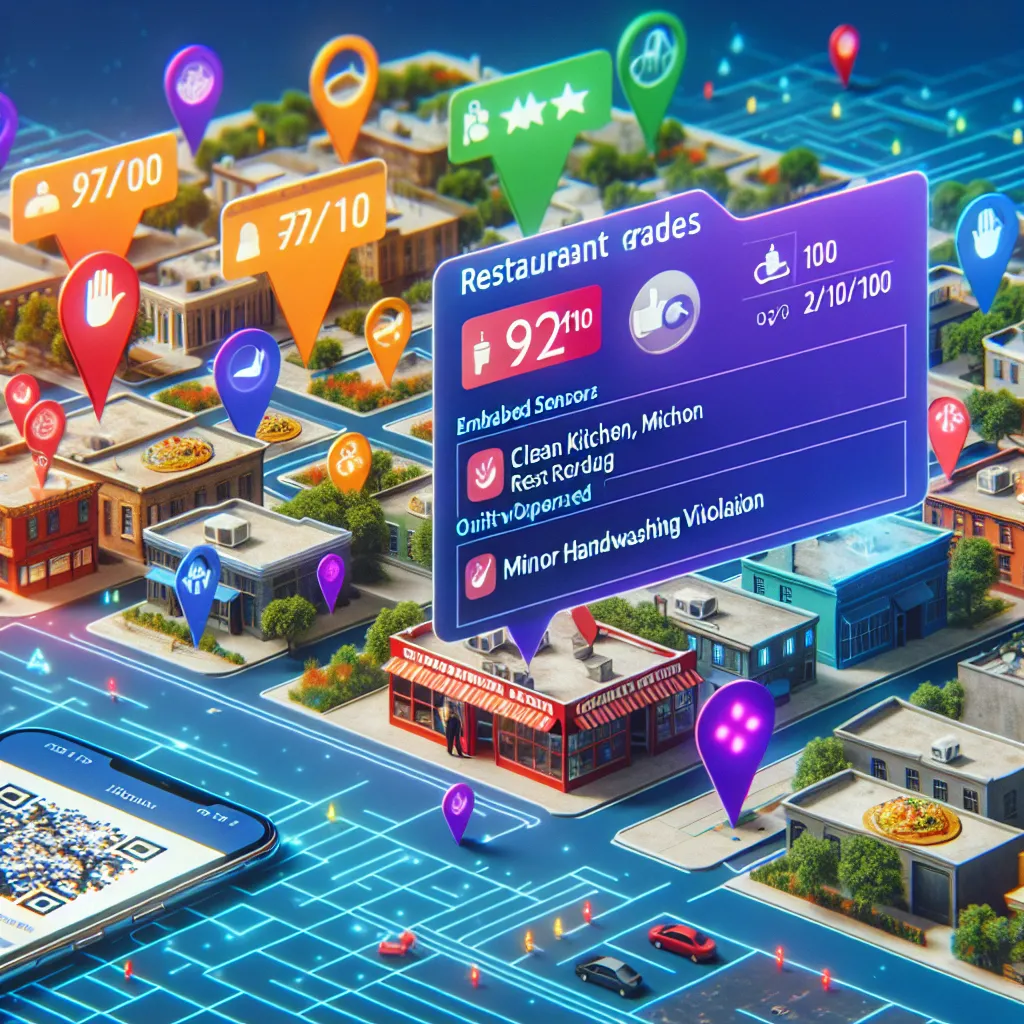
Restaurants are graded by health departments, but scores are hidden in PDFs or out-of-date apps. This service uses sensors, community reviews, and scraped records to map live food-safety health data block by block. Trend: trust and transparency are reshaping dining discovery. Example: a diner scans a QR code outside a taco shop and sees “92/100 — clean kitchen, minor handwashing violation.”
Description
No additional description provided.
The Pitch
In the modern dining landscape, consumers are increasingly conscious of food safety and cleanliness. Traditionally, restaurants are evaluated by health departments, but these scores are often buried in inaccessible PDF documents or outdated apps, limiting the public's ability to make informed decisions based on current conditions. The industry is witnessing a trend where trust and transparency are reshaping the way diners choose where to eat. There exists a growing demand for real-time, easily accessible health data that can guide these decisions.
**Problem**
Despite being routinely inspected, restaurants' health scores remain largely hidden from the public view. The current systems for accessing this information are fragmented and often outdated, which diminishes consumer trust and impedes their ability to make informed dining choices. This obscurity not only affects consumers but also restaurants that maintain high standards, as they struggle to differentiate themselves from their less rigorous competitors.
**Solution**
The proposed solution is a service that empowers consumers by providing real-time, transparent access to food safety health data for restaurants within their vicinity. This service aggregates data from a variety of sources including sensors installed in restaurants, community reviews, and scraped official health records. By mapping this data block by block, the service can provide a holistic view of a restaurant’s health compliance in an accessible manner.
**Product Details**
This service will utilize a combination of Internet of Things (IoT) sensors, which can monitor key health compliance indicators such as kitchen temperature and handwashing frequency, alongside a platform for community-driven reviews to provide soft data like cleanliness perception and employee hygiene. Publicly available health department records will be regularly scraped and updated on the platform to ensure comprehensive data coverage. The result is a dynamic map that offers real-time, block-by-block insights into the health standards of nearby dining establishments.
Consumers can access these insights via a mobile app or web interface, where they simply scan a QR code posted outside a restaurant to instantly view the establishment’s latest health score and detailed insights, such as 92/100 — clean kitchen, minor handwashing violation.
**Tools to Launch MVP**
- IoT devices for real-time data capturing - Web scraping tools like Scrapy or BeautifulSoup for data extraction from official sources - A robust database service such as Firebase or AWS DynamoDB to store both static and dynamic data - A user-friendly mobile and web interface built on platforms such as React Native or Flutter - Community engagement features leveraging social platforms APIs to foster user-generated reviews - QR code generation tools for seamless user interactions
**Go-To-Market Strategy**
- **Target Audience**: Health-conscious diners, food critics, and transparency advocates. - **Initial Launch**: Pilot in metropolitan areas with dense dining populations such as New York City or San Francisco, where there is an early adopter community open to using technology for dining decisions. - **Partnerships**: Collaborate with local health departments to secure data and support, and with restaurant associations interested in championing transparency. - **Marketing Channels**: Focus on digital marketing through social media platforms, food blogs, and influencer partnerships to reach food enthusiasts. - **User Education**: Organize workshops and live demos to educate potential users on how to use the platform effectively.
**Business Model**
- **Subscription Model**: Offer a premium subscription to frequent diners or health enthusiasts who want to receive real-time alerts and in-depth analysis. - **Ad-Based Model**: Allow restaurants to advertise premium listings or special features about their health practices to differentiate themselves. - **Data Licensing**: Provide anonymized health trend data to industry analysts or public health researchers.
By utilizing advanced technology and community engagement, this service aims to revolutionize how diners interact with restaurants by prioritizing health transparency and accountability. In doing so, it aligns with the evolving consumer desires of trust and credibility, reshaping the dining experience for the better.