Real-Time Liquidity Engine for eCommerce Sellers
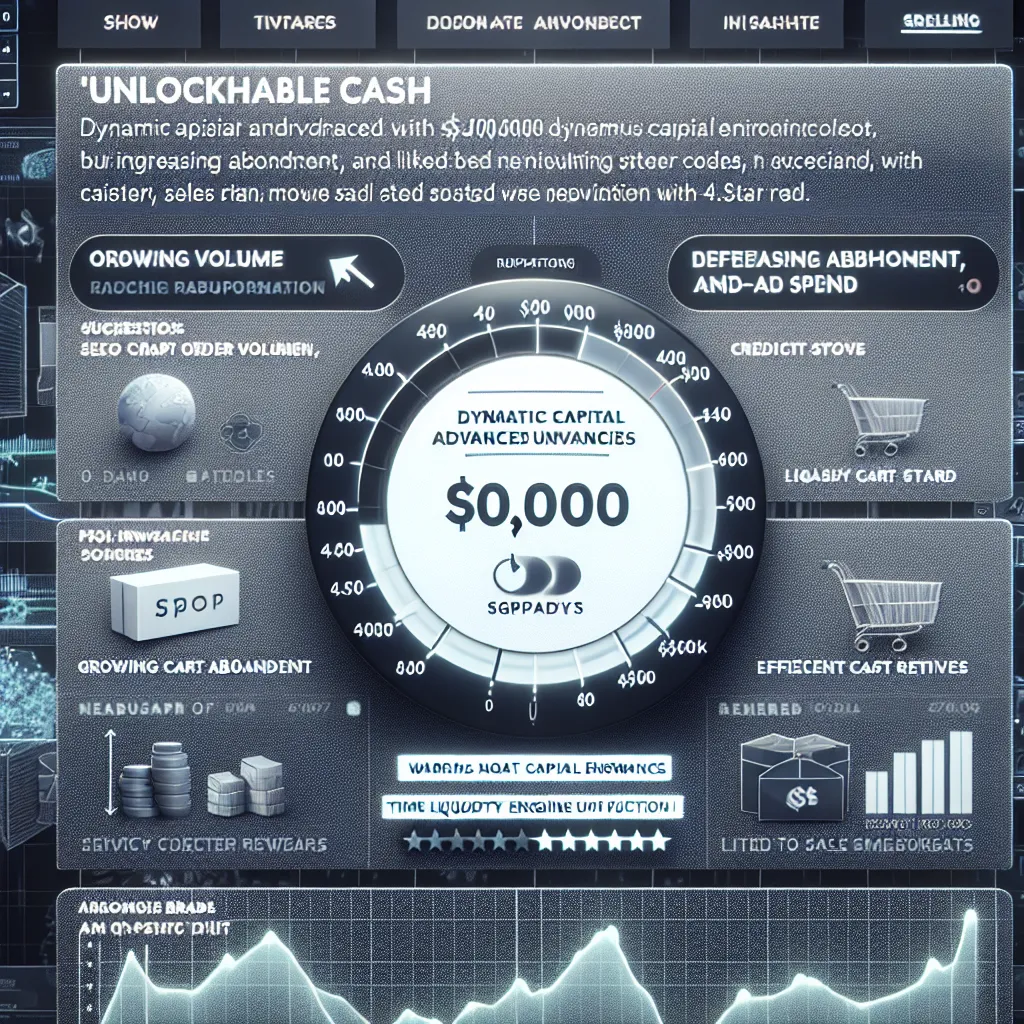
eCommerce sellers often wait weeks for payouts from Amazon, Etsy, or Shopify, forcing them to front inventory costs or stall ad campaigns. A real-time liquidity engine could change that by ingesting store data—order volume, cart abandonment, ad spend—and offering dynamic capital advances or early payouts. The system would underwrite based on reputation, performance, and momentum, not just credit score. For example, if a DTC skincare brand is trending upward and hitting 4.9-star reviews, the system could advance $10K toward its next inventory run—even before payouts land. Sellers would see a dashboard with “unlockable cash” tied to growth milestones or promotions. It’s Klarna, but reversed: built for merchants, not buyers.
Description
No additional description provided.
The Pitch
eCommerce sellers often face cash flow challenges due to delayed payouts from platforms like Amazon, Etsy, and Shopify. These delays can hinder their ability to maintain inventory levels or invest in marketing, ultimately affecting growth potential. A real-time liquidity engine could transform this ecosystem by offering immediate access to funds, thus empowering sellers to scale efficiently.
Backstory: The eCommerce landscape is thriving, with thousands of entrepreneurs and small businesses tapping into global marketplaces. However, a persistent challenge remains: the time lag between sales and receiving payouts. Sellers might wait weeks for their revenue, forcing them to take on loans or pause advertising campaigns while waiting for funds. This delay can be particularly burdensome for small to medium-sized businesses that need consistent cash flow to grow.
Problem: The delay in receiving payouts creates a cash flow bottleneck. Sellers must often use personal funds or external loans to finance their next round of inventory or marketing initiatives. This risk and uncertainty can stifle potential growth and lead to missed opportunities in rapidly changing market environments. Furthermore, for businesses exhibiting fantastic growth metrics and receiving high customer reviews, traditional financing methods can be slow and irrelevant to their evolving needs.
Solution: A real-time liquidity engine for eCommerce sellers addresses this crucial gap. By analyzing store data such as order volume, cart abandonment rates, and advertising spend, the system can offer immediate financial advances or early payouts. Unlike traditional underwriting, this system evaluates a business based on performance metrics, reputation, and growth momentum, providing tailored financial solutions without the need for traditional credit scores.
Product Details: 1. Intelligent Data Ingestion: The platform integrates directly with popular eCommerce platforms to access real-time insights on sales, customer feedback, and marketing performance.
2. Dynamic Capital Advances: Based on the ongoing analysis of seller data, the engine can offer instant financial advances or early payouts. For example, if a direct-to-consumer skincare brand shows upward trends with high customer satisfaction, the system might advance $10K towards future inventory before the traditional payout schedule.
3. User-Friendly Dashboard: Sellers gain access to a dashboard displaying their financial performance and progression. The dashboard also indicates unlockable cash tied to specific growth milestones or promotional efforts.
4. Flexible Financial Products: Offering a suite of products, from advance payouts to growth-based credit lines, all tailored to the business's current needs and performance indicators.
Tools for Launching an MVP: - Platform Integration: Tools like API services can facilitate seamless integration with eCommerce platforms. - Data Analytics: Utilizing analytics tools such as Google Analytics or Tableau to process and interpret sales and customer data. - Financial Services API: Leveraging financial services platforms like Plaid or Stripe for secure transactions. - Customer Relationship Management (CRM) Systems: Tools like HubSpot or Salesforce to manage seller interactions and insights.
GTM (Go-To-Market) Strategy: 1. Partner with eCommerce platforms to offer the liquidity solution as a complementary tool. 2. Develop targeted marketing campaigns focusing on small to medium-sized eCommerce businesses affected by cash flow issues. 3. Leverage case studies and testimonials from initial users to validate value and performance.
Business Model: - Subscription Model: Charge a monthly fee for access to the platform and its suite of services. - Transaction Fee: Implement a small transaction fee for each financial advance provided to sellers. - Tiered Service Offerings: Offer different service tiers based on features and advance limits, catering to varying business sizes and needs.
Conclusion: This real-time liquidity engine has the potential to revolutionize financial operations for eCommerce sellers. By providing timely funds based on real-time data, sellers can better manage cash flow, accelerate growth, and focus on what matters most – scaling their businesses.