Real-Time Event Marketing Analytics Dashboard
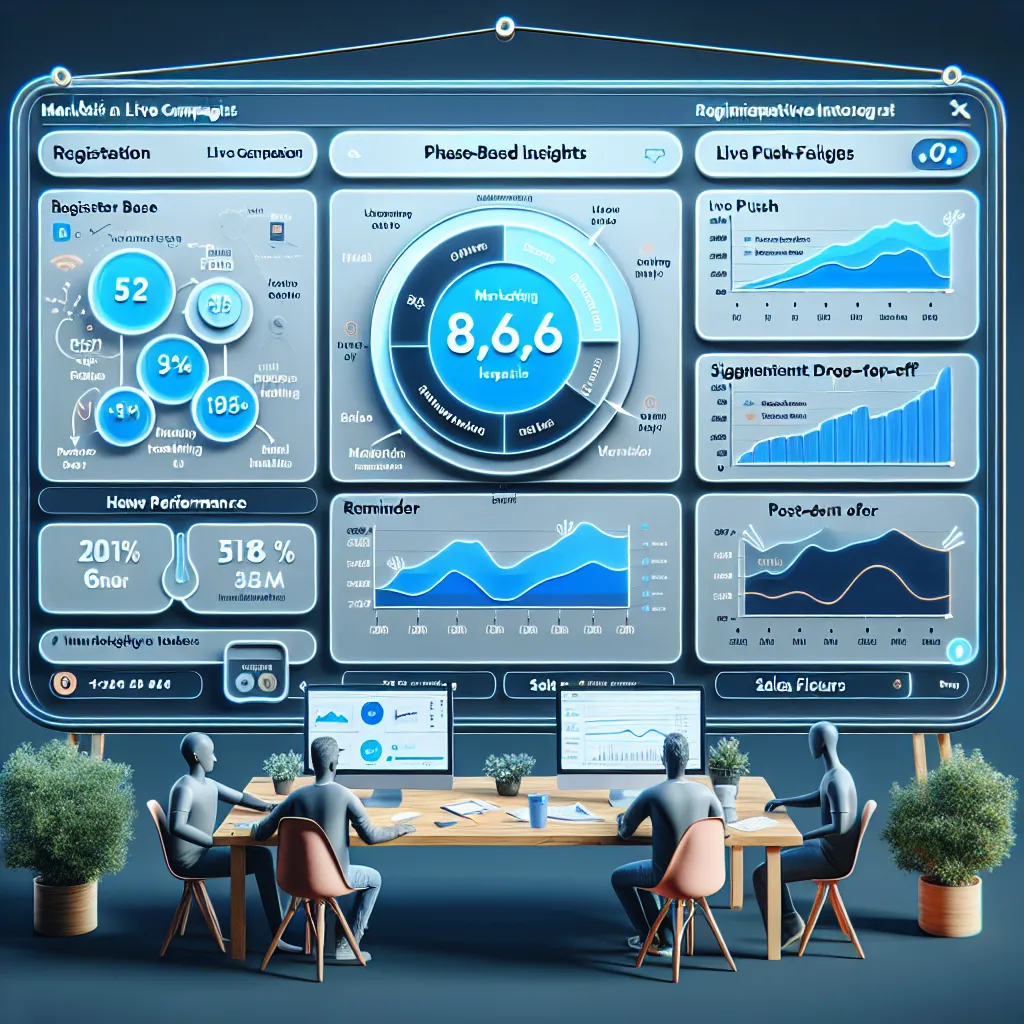
Most marketing dashboards are built for static campaigns. They track email open rates and click-throughs but miss the nuance of live or time-sensitive event funnels. There’s no tool that shows how each phase of a live campaign performs in real-time—registration, reminder, live push, and post-offer—all tied to sales. A launch-specific dashboard that gives phase-based insights, alerting marketers when drop-off or fatigue sets in—needs to exist. It would help teams course-correct in the middle of a launch instead of waiting for the postmortem.
Description
No additional description provided.
The Pitch
In the fast-paced world of digital marketing, live or time-sensitive event campaigns play a critical role in driving engagement and sales. However, many marketers struggle to gain real-time insights into the performance of each phase of their live campaigns. Traditional marketing dashboards are primarily designed for static campaigns, focusing on metrics like email open rates and click-throughs, but they fall short when it comes to capturing the dynamic and sequential nature of live event funnels. This lack of immediate feedback can prevent marketing teams from making timely adjustments, potentially leading to lost opportunities.
Problem
The absence of a specialized tool for monitoring live event campaigns creates several challenges for marketing teams. Without phase-specific insights, marketers are left in the dark about the performance of crucial components such as registration, reminders, live interactions, and post-offer stages. This gap often leads to delayed reactions to participant drop-off or engagement fatigue. Relying on post-campaign analysis limits marketers' ability to pivot strategies in real-time, which is critical for maximizing the impact of time-sensitive campaigns.
Solution
Introducing a real-time, launch-specific dashboard designed to provide granular insights into each phase of a live campaign. This tool will empower marketing teams to track performance metrics for registration, reminder, live push, and post-offer stages, all in one centralized platform. Real-time alerts will notify marketers of potential issues like drop-offs or low engagement, enabling immediate course corrections and optimizing campaign effectiveness on the fly.
Product Details
This launch-specific dashboard will include the following features:
1. Phase-based Tracking: Monitor the performance of each campaign phase with detailed metrics and visualizations. 2. Real-Time Updates: Receive live data updates to make informed adjustments during the campaign. 3. Custom Alerts: Set up alerts for specific thresholds or conditions to catch and address issues proactively. 4. Integration Capabilities: Seamlessly integrate with existing marketing tools and platforms for a holistic view of campaign performance. 5. User-Friendly Interface: An intuitive dashboard designed for easy navigation and quick access to critical insights.
Tools for MVP Launch
To build and launch a minimum viable product (MVP) efficiently, consider leveraging:
- Data Visualization Tools: Use platforms like Tableau or Google Data Studio to create dynamic dashboards and visual representations of data. - Real-Time Analytics: Implement solutions such as Google Analytics or Mixpanel for tracking live user interactions. - Alerting Systems: Set up an alert system using Zapier or similar automation tools for instant notifications based on predefined conditions. - Cloud Hosting Services: Utilize AWS, Google Cloud, or Azure to host the dashboard, ensuring scalability and reliability.
Go-to-Market Strategy
1. Target Audience Identification: Focus initially on mid to large-sized enterprises conducting regular live or time-sensitive marketing campaigns. 2. Partnerships: Collaborate with marketing agencies and platforms to integrate the dashboard into existing marketing suites. 3. Pilot Programs: Offer a limited launch with select clients to gather feedback, iterate on features, and demonstrate value. 4. Content Marketing: Develop educational resources, case studies, and webinars to showcase the benefits of real-time insights for live campaigns.
Business Model
The business model for the launch-specific dashboard can be subscription-based, offering tiered pricing plans to accommodate different company sizes and usage levels. Each tier might include varying degrees of access to advanced features, integrations, and support. A freemium model could also be considered, providing basic functionalities at no cost while charging for additional features.
Conclusion
The introduction of a launch-specific, real-time dashboard will bridge the gap in current marketing solutions, offering marketers the ability to optimize live campaigns while they are still in progress. By delivering actionable insights into each stage of the event funnel, this tool will help marketing teams maximize engagement, reduce drop-offs, and ultimately drive higher sales conversions.