Real-Time Event-Linked Insurance for Uncertain Plans
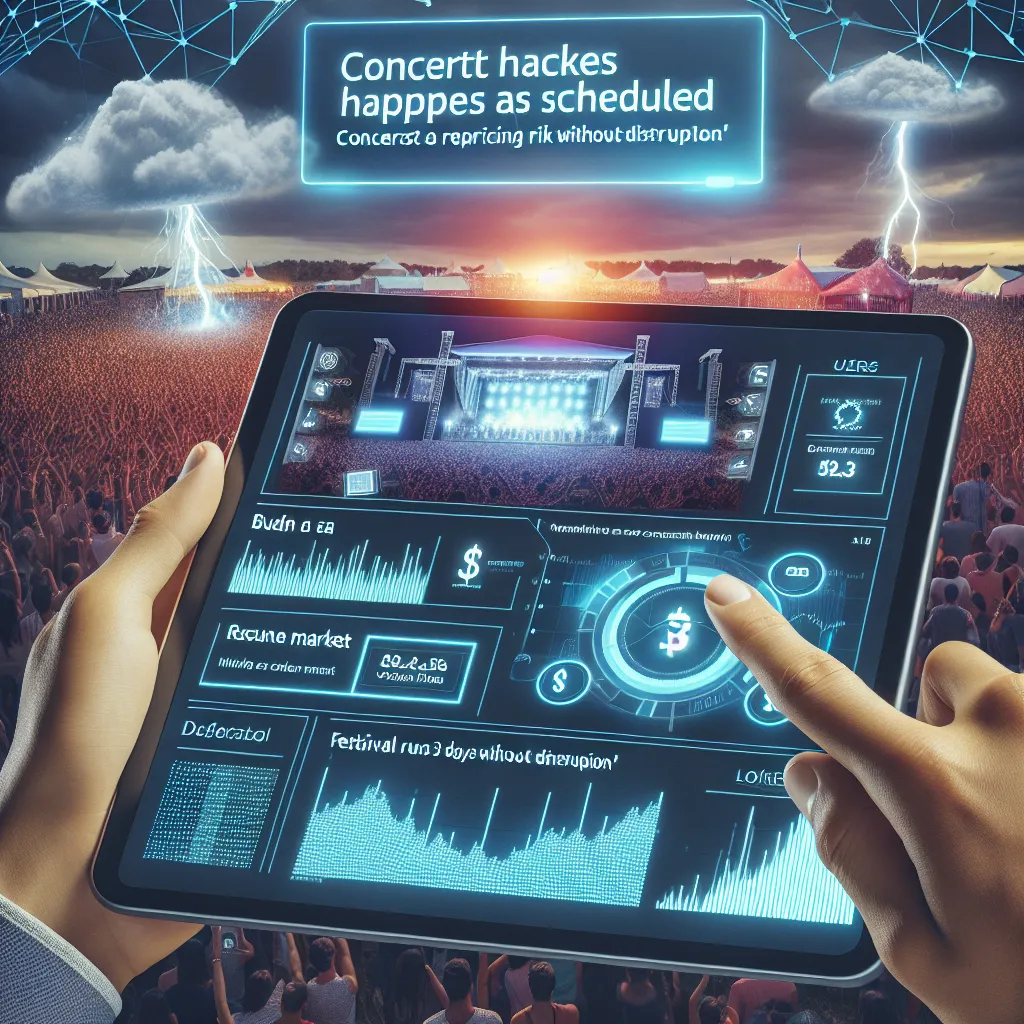
Buying a concert ticket or booking travel always carries risk — will the show be canceled, or the flight delayed? Insurance exists, but it’s clunky, overpriced, and doesn’t flex to real-time conditions. An Event-Linked Insurance Market would merge prediction contracts with coverage: buy a “Concert happens as scheduled” contract, and if it doesn’t, you’re paid out. The market constantly reprices risk, often more accurately than actuaries. The timing is right: climate volatility, global travel, and post-COVID uncertainty have made coverage more essential, while prediction platforms are proving scalable. Imagine a music festival posting “Festival runs 3 days without disruption” — attendees can hedge their tickets, organizers can prove confidence, and everyone gets transparent pricing of risk.
Description
No additional description provided.
The Pitch
In today's world, consumers face uncertainty when purchasing concert tickets or booking travel arrangements. Events can get canceled, and flights delayed, leading to inconvenience and financial loss. Traditional insurance products, while available, are often cumbersome, expensive, and not adaptable to real-time conditions. To address these pain points, an Event-Linked Insurance Market could offer a modern solution, integrating elements of prediction contracts with insurance coverage.
**Backstory**
The volatility of global events has increased dramatically in recent years. Climate change leads to unexpected weather disruptions, global travel carries unpredictable risks, and the aftermath of the COVID-19 pandemic continues to drive unpredictability in event planning and execution. Consumers need a way to hedge potential losses from these uncertainties, and businesses need a mechanism to demonstrate their confidence in the stability of scheduled events.
**Problem**
Traditional insurance models are struggling to keep pace with the volatility and rapid changes in risk assessment required in today’s world. Limited by static conditions and actuarial tables that are slow to respond to real-time changes, these models often result in coverage that is either inadequate or overly expensive. There is a gap in the market for a more dynamic, streamlined, and accurately priced insurance product that addresses these emerging needs.
**Solution**
An Event-Linked Insurance Market merges prediction contracts with insurance coverage, providing an innovative approach to risk management. By purchasing a contract such as Concert happens as scheduled, consumers can hedge their bets against potential disruptions. If the event does not occur as planned, they are compensated. The platform dynamically adjusts pricing of coverage based on real-time data, offering a potentially more accurate assessment of risk than traditional methods.
**Product Details**
- **Dynamic Risk Pricing**: The platform utilizes real-time data sources, such as weather forecasts, ticket sales trends, and global news, to constantly reprice risk levels associated with specific events.
- **Smart Contract Technology**: Contracts are underpinned by blockchain technology, ensuring transparency, security, and automatic execution of payouts when conditions are met.
- **Integration with Event Platforms**: Event organizers and travel agencies can integrate the insurance market directly into their purchasing interfaces, allowing users to seamlessly buy coverage.
- **User Interface**: A user-friendly app and website interface allows customers to view, purchase, and manage their contracts easily.
**Tools for MVP Launch**
- **Blockchain Frameworks**: Ethereum or Solana for smart contract deployment.
- **Predictive Analytics Tools**: Use APIs from weather services and social media platforms for data on event success indicators.
- **Web Development**: Utilize React.js for the front-end and Node.js for backend development.
- **Payment Gateways**: Integration with Stripe or PayPal for seamless transactions.
**GTM Strategy**
- **Partnerships with Event Organizers and Travel Agencies**: Collaborate with key players to embed the insurance option directly into ticket sales and booking processes.
- **Digital Marketing Campaign**: Utilize targeted ads on platforms like Google and Facebook, emphasizing the unique benefits of real-time, customizable insurance options.
- **Influencer Collaborations**: Engage event influencers and travel bloggers to promote the product through authentic storytelling and demonstrations.
- **Launch Offers**: Provide initial users with discounts or free coverage to encourage adoption and gather feedback.
**Business Model**
The platform would operate on a commission-based model, earning a percentage of each contract sold. Additionally, offering tiered membership options for frequent buyers could provide stable revenue and enhance customer loyalty. By continually refining live risk assessments via machine learning, the platform could also offer premium services to businesses needing deeper analytical insights and robust forecasts.
---
This framework outlines how an Event-Linked Insurance Market could innovate risk management, providing consumers and businesses with a straightforward solution to modern uncertainties.