Real-Time Dynamic Global Maritime Insurance Platform
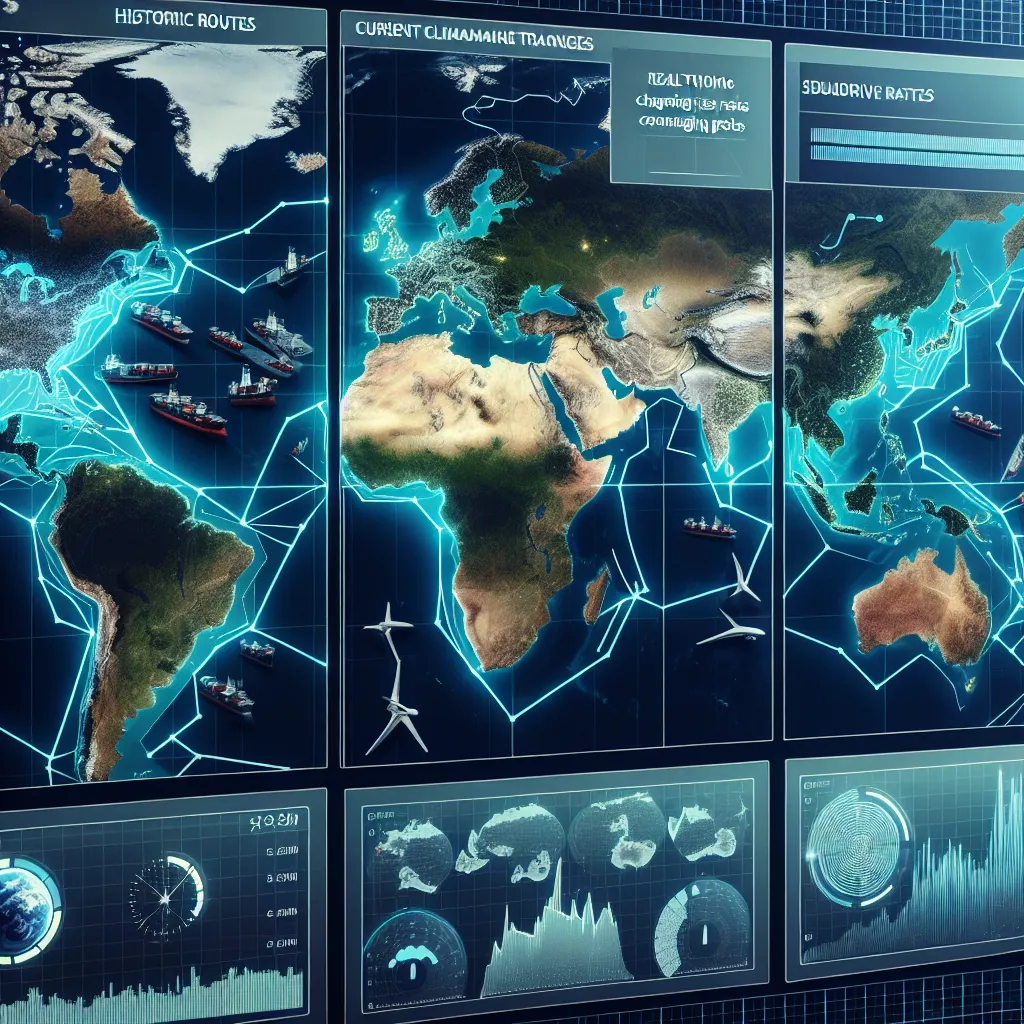
Shipping insurance today is largely based on historical data, offering static policies that fail to adjust to real-time risks like droughts, climate events, or political instability that threaten major trade routes like the Panama Canal. This leaves shipping companies vulnerable or forces them to pay for coverage that doesn’t match the actual risk they face. A dynamic global maritime insurance platform would use satellite imagery, climate forecasts, and geopolitical risk modeling to adjust insurance pricing in real-time, offering smarter, more adaptive coverage. As climate change increases the volatility of global shipping conditions, there’s a growing need for real-time underwriting solutions that align with modern risk patterns. A platform like this would allow a shipping company to instantly adjust its coverage if, for instance, a drought slows the Panama Canal or political tensions escalate in a key region, offering better protection and optimized premiums.
Description
No additional description provided.
The Pitch
In recent years, the shipping industry has been facing an increasing number of challenges that traditional insurance models fail to adequately address. Current insurance offerings are heavily dependent on historical data, providing static policies that don’t account for the dynamic nature of modern global trading conditions. These traditional models leave shipping companies vulnerable to unexpected events, or compel them to overpay for coverage that doesn't align with the true risks they face. With climate change and geopolitical instability becoming more prominent, there is a need for a more responsive, real-time solution.
The Problem:
Shipping companies operate in an environment where conditions can change rapidly due to factors like climate events, geopolitical tensions, and other unpredictable occurrences. Traditional marine insurance policies are not equipped to adapt quickly to such changes, leaving companies either underinsured or paying for unnecessary coverage. For instance, a drought affecting the water levels in the Panama Canal can cause delays and increase the risk of damage. Current static insurance policies are not designed to react swiftly to such situations, resulting in potential financial losses for operators.
The Solution:
There is a significant opportunity to develop a dynamic global maritime insurance platform that leverages technology to provide smarter, more adaptive coverage. This platform would utilize satellite imagery, up-to-date climate forecasts, and sophisticated geopolitical risk modeling to adjust insurance pricing and coverage parameters in real-time. By aligning policy terms with current risk factors, shipping companies can benefit from more accurate and cost-effective coverage.
Product Details:
The proposed platform will include features such as:
1. Real-time data integration from satellites and weather forecasting systems to monitor environmental conditions affecting shipping routes. 2. Advanced algorithms to assess risks based on current and predicted geopolitical events. 3. A user-friendly interface that allows shipping companies to view risk assessments and adjust their policies on-the-fly. 4. Automated policy adjustments that can be implemented without human intervention, ensuring quick response to changing risk conditions. 5. Comprehensive reporting tools that track risk levels and insurance adjustments, providing transparency and accountability.
Tools and Technology for MVP Launch:
To develop a minimum viable product, consider the following tools and technologies:
1. Cloud-based platforms like AWS or Google Cloud for data storage and processing. 2. Machine learning frameworks such as TensorFlow or PyTorch for building predictive models. 3. APIs for satellite data and weather information, such as those offered by NASA or private satellite companies. 4. Geopolitical risk assessment tools that provide real-time data and predictions.
GTM Strategy:
Develop a go-to-market strategy that includes:
1. Targeting major shipping lines and freight forwarders initially, as they stand to gain the most from a dynamic insurance product. 2. Building partnerships with existing insurance brokers to leverage their networks and credibility. 3. Offering pilot programs with select clients to demonstrate the efficacy and cost-saving potential of the platform. 4. Marketing the platform through industry conferences, webinars, and digital campaigns highlighting the solution’s ability to mitigate risk in an increasingly volatile world.
Business Model:
The business model could include:
1. A subscription-based pricing structure where clients pay a monthly fee for access to the platform and its services. 2. A transaction-based model where fees are charged based on the volume or value of the insurance policies issued. 3. Offering tiered service levels, including a basic package with essential features and premium options that provide advanced risk modeling and additional reporting tools.
By addressing the current inefficiencies in the maritime insurance market and providing a real-time solution aligned with modern risk patterns, this platform captures a unique opportunity to transform the industry and deliver significant value to shipping companies worldwide.