Real-Time Drug Resistance Detection Platform
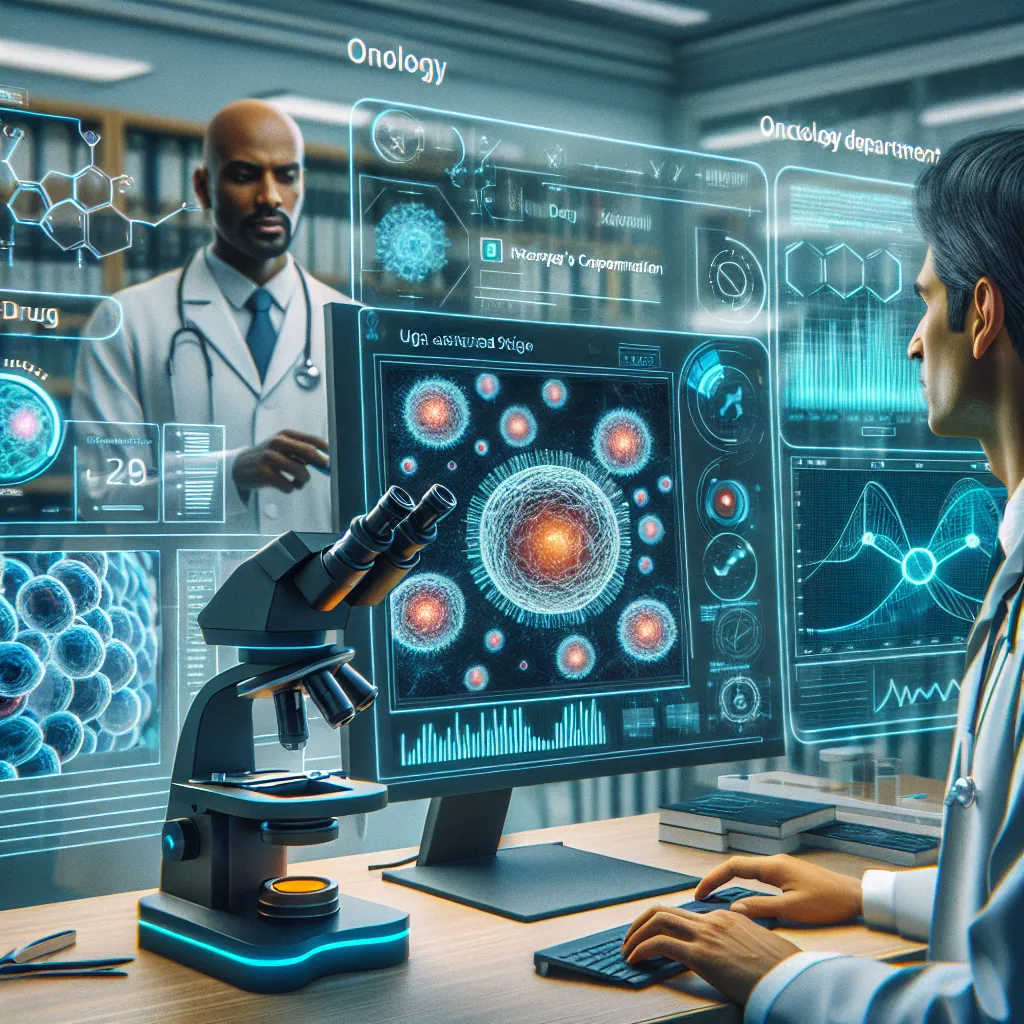
Drug resistance often arises without warning because clinicians can’t see how well a drug is working inside living cells. The solution is a real-time imaging platform that visualizes drug–target interactions at the molecular level within intact human cells. Recent advances in cryo-electron microscopy (cryo‑EM) and in situ cellular imaging now allow researchers to see how drugs bind to their targets in live environments, not just in artificial test tubes. This startup would combine AI-enhanced microscopy and biosensors to monitor drug binding in real time, giving doctors early warnings when therapies begin to fail. Oncology would be the first focus—imagine a tool that alerts clinicians when cancer cells stop responding to a specific chemotherapy drug, allowing them to switch treatment immediately.
Description
No additional description provided.
The Pitch
In the realm of medical treatment, particularly in oncology, one of the most pressing challenges is the occurrence of drug resistance. This resistance often emerges unexpectedly, leaving clinicians without timely insights into the effectiveness of treatments. Traditional methods provide limited capability to observe how drugs behave inside living cells, resulting in delayed response to changes in drug efficacy. The urgency in addressing this issue underscores the need for innovative solutions that offer real-time monitoring capabilities within human cells. This has led to the exploration of advanced imaging technologies that move beyond traditional in vitro analysis.
### Problem
The inability to monitor drug-target interactions within living cells in real-time is a major hurdle in personalized medicine. Clinicians often rely on post-treatment data to determine whether a drug is working, which can be too late in progressive diseases like cancer. This lack of real-time insight contributes to ineffective treatments, prolonged patient suffering, increased healthcare costs, and ultimately, lower survival rates. A system that could offer immediate visibility into how drugs interact with their targets inside the body would revolutionize treatment approaches, enabling swift intervention and treatment adjustments.
### Solution
The proposed solution is a cutting-edge real-time imaging platform designed to visualize drug-target interactions at the molecular level within intact human cells. By leveraging breakthroughs in cryo-electron microscopy (cryo-EM) and in situ cellular imaging, the platform allows researchers and clinicians to view how drugs bind to their targets in live environments. This technology, combined with AI-enhanced microscopy and biosensors, offers a dynamic overview of drug efficacy as therapy progresses.
### Product Details
- **Technology**: The platform utilizes cryo-EM and in situ imaging to generate detailed, real-time visualizations of drug interactions within living cells. AI-enhanced microscopy further refines these images, providing clear and actionable data for clinicians.
- **Functionality**: Biosensors embedded in the system will detect and quantify drug-binding events, translating molecular interactions into signals that can be monitored continuously.
- **Focus Area**: While the platform has broad applications, the initial focus will be oncology. The product aims to empower oncologists by alerting them when cancer cells stop responding to a specific chemotherapy drug, allowing for rapid treatment adjustments.
### Tools for Launching MVP
- **Development Platform**: Utilize integrated software and hardware solutions to create a cohesive system. Platforms like TensorFlow or PyTorch can be employed to develop AI models for image analysis.
- **Biosensor Fabrication**: Partner with companies specializing in biosensor technology to develop prototypes that are compatible with the imaging system.
- **Cryo-EM Equipment**: Collaborate with manufacturers of cryo-Electron Microscopy systems to integrate their technology into the platform.
- **Cloud Computing**: Implement cloud-based storage and computing solutions for handling large datasets generated by imaging processes, using services like AWS or Google Cloud.
### Go-to-Market Strategy
- **Target Audience**: Focus initially on oncology centers and research institutions looking for innovative treatment monitoring solutions.
- **Partnerships**: Establish collaborations with leading hospitals and cancer research centers to conduct pilot studies and validate the platform's effectiveness.
- **Thought Leadership**: Engage with the scientific and medical community through publications, conferences, and symposiums to showcase the benefits and efficacy of the platform.
- **Regulatory Pathway**: Navigate the necessary regulatory approvals to ensure the product meets medical device standards and can be adopted in clinical settings.
### Business Model
- **Subscription-Based Model**: Offer the imaging platform through a subscription service model, providing continuous updates and support.
- **Tiered Pricing**: Develop a tiered pricing system based on the size and needs of the medical facility or institution to ensure accessibility and scalability.
- **Service and Support**: Create additional revenue streams through premium support services, training programs, and advanced analytics offerings.
By addressing the unmet need for real-time drug effectiveness monitoring, this venture has the potential to significantly impact patient outcomes in oncology, ultimately contributing to more personalized and successful treatment strategies.