Real-Time Chemical Exposure Tracker for Kids
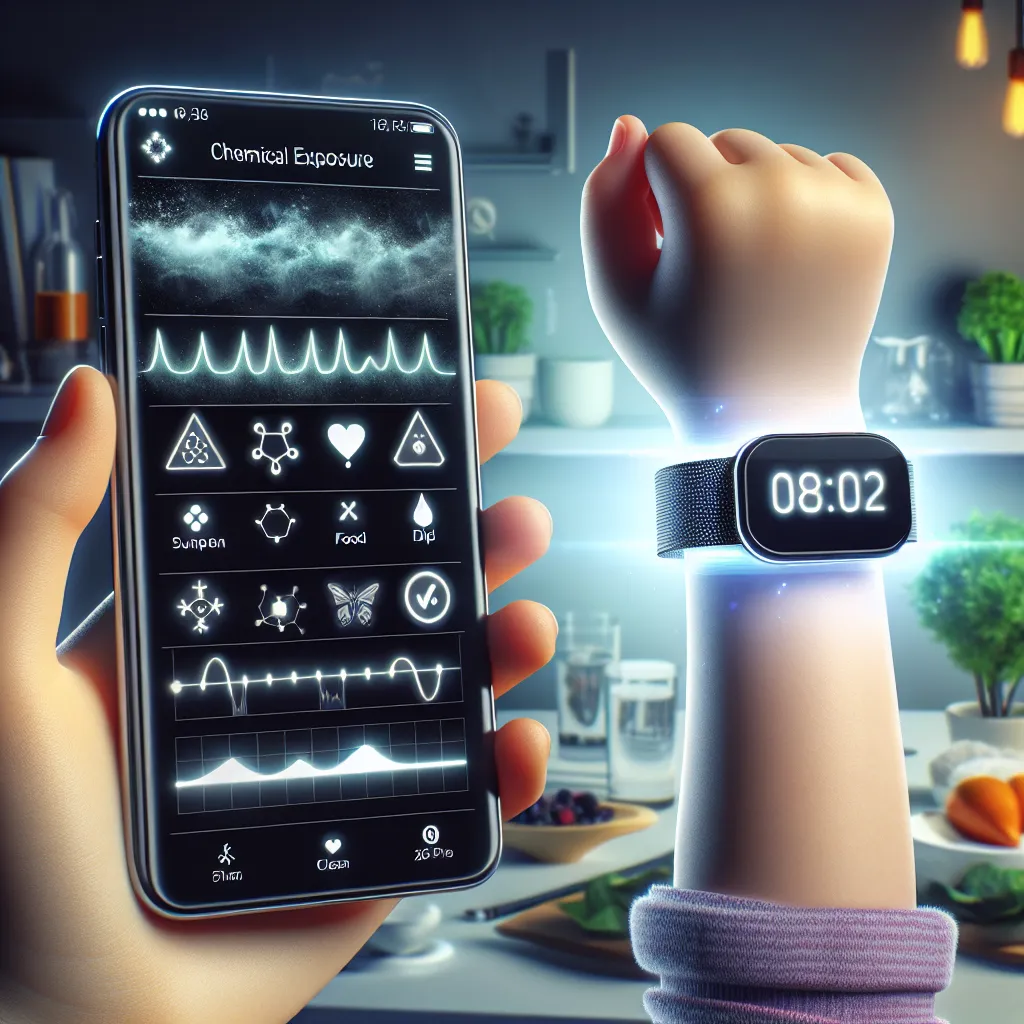
American children are exposed daily to thousands of environmental chemicals from food, water, air, and products. Parents have no way to track cumulative exposure, even though early-life exposure is linked to chronic diseases. The solution: a wearable patch or smart urine test providing a real-time “chemical exposure score” — the first tool to visualize hidden threats, similar to continuous glucose monitors. Trends show skyrocketing parental concern about environmental toxins, but the market lacks transparency. Wearable health devices (like WHOOP, Levels) are mainstream, but none monitor environmental health. Why now? Increasing evidence links early chemical exposure to diseases, and parents are desperate for control. Example: Imagine a Fitbit-like patch that warns parents when a child’s exposure is spiking — revolutionizing preventive health at home.
Description
No additional description provided.
The Pitch
Environmental chemicals pose an invisible threat to the health and well-being of children. Parents are increasingly concerned about the impact of these chemicals, which can be found in every aspect of daily life—from the food children eat to the air they breathe and the products they use. Despite these concerns, there is currently no effective way to track and manage their children's cumulative exposure to these chemicals, even though research has consistently linked early-life chemical exposure to a higher risk of developing chronic diseases later in life.
The proposed solution to this growing problem is an innovative wearable device, such as a patch or a smart urine test, designed to provide real-time feedback on a child's chemical exposure. This chemical exposure score would be the first tool of its kind, offering parents an unprecedented look at the hidden environmental risks their children face every day. This solution draws a parallel with existing technologies like continuous glucose monitors, which have revolutionized health tracking for individuals with diabetes by providing continuous, real-time data.
The market for such a product is promising, driven by a surge in parental concerns about environmental toxins and a broader trend towards health and wellness tracking. Wearable health devices such as WHOOP and Levels are already popular, yet none currently focus on environmental health—a significant gap in the market that this product aims to fill.
Interest in this product is particularly timely given the increasing body of evidence linking early chemical exposure to serious health outcomes. Parents today are more proactive than ever in seeking ways to safeguard their children's health, and a device that empowers them with information about environmental exposure could fundamentally change how parents manage preventive health at home.
Imagine the peace of mind provided by a Fitbit-like patch that sends alerts when a child's exposure to harmful chemicals is spiking. Such a tool could enable parents to take immediate preventative measures and make informed decisions about their child's environment and health, ultimately contributing to long-term well-being.
To bring this vision to fruition, several steps and resources can aid in developing, launching, and marketing this innovative product:
1. Product Development: Utilizing sensors and microfluidic technology, the hardware design can focus on miniaturization for comfort and usability. Meanwhile, sophisticated algorithms can process and interpret the exposure data, converting it into an easy-to-understand chemical exposure score.
2. MVP Launch Strategy: Begin with a prototype to test in a controlled environment, followed by pilot testing with a select group of parents. Gather feedback to refine the product, ensuring it meets user needs and expectations.
3. Tools for Launch: Platforms like Kickstarter or Indiegogo can be effective in raising awareness and initial funding while also validating consumer interest. Partnerships with health organizations and environmental advocacy groups can boost credibility and outreach.
4. Go-To-Market Strategy: Initial marketing efforts should focus on digital channels, leveraging social media platforms to target tech-savvy and health-conscious parents. Creating educational content on the importance of monitoring chemical exposure and the science behind the device can also help build consumer trust and interest.
5. Business Model: Adopt a subscription-based model offering monthly services for real-time data updates, personalized insights, and regular device upgrades. This approach ensures continuous engagement with users, creating a steady revenue stream.
In summary, the proposed device not only fills a significant gap in the market but also aligns with the increasing consumer demand for proactive health solutions. By providing parents with a tool to visualize and manage their child's environmental health, this product has the potential to set a new standard in preventive health care.