Real-Time Carbon Labels for AI Usage
AI’s energy footprint is ballooning—training GPT-4 alone emitted over 5,000 metric tons of CO₂. Yet, most developers and users have no visibility into the energy or emissions cost of the models they run daily. This startup would introduce real-time “carbon nutrition labels” for every API call, model run, or tool used—powered by a model registry that tracks compute type, data centers, and optimization settings. A browser extension or API could show the energy cost of calling GPT-4 versus a smaller model. Enterprises could use this to guide green procurement decisions and reduce AI-related emissions.
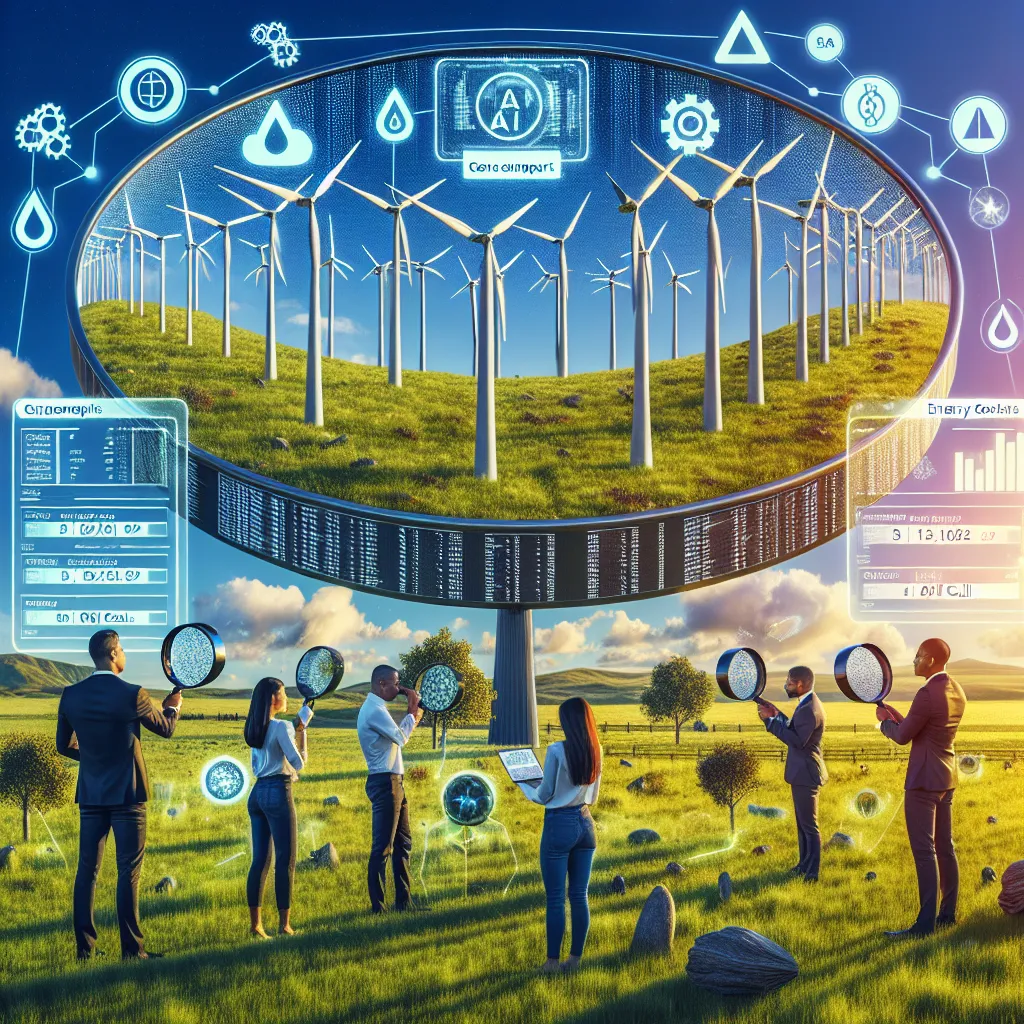
Description
No additional description provided.
The Pitch
Artificial intelligence is rapidly transforming industries worldwide, unlocking unprecedented possibilities and efficiencies. However, the environmental impact of AI, particularly the energy consumption involved in training and deploying large models, is a growing concern. Recent developments underline the significant carbon emissions from high-profile AI models like GPT-4, which reportedly emitted over 5,000 metric tons of CO₂ during its training phase. Yet, many developers, enterprises, and end-users remain unaware of the ecological footprint their AI systems leave behind.
The Problem
The primary issue lies in the lack of visibility and awareness regarding the energy and emissions cost associated with AI models. Without insight into their ecological impact, developers and enterprises cannot make informed decisions about AI usage. This opacity hinders efforts to promote sustainable practices within the tech community and prevents organizations from aligning their AI strategies with green initiatives.
The Solution
To address these challenges, there is an opportunity to develop a platform that introduces real-time carbon transparency for AI operations. This platform could provide metrics akin to carbon nutrition labels for every API call, model run, or tool utilized. By incorporating a model registry that tracks data on compute type, data center operations, and optimization settings, this system could deliver comprehensive information about the carbon footprint of AI activities. A browser extension or an API could further facilitate comparisons, allowing users to understand the energy costs involved in choosing different models, such as GPT-4 versus smaller alternatives.
Product Details
1. Real-Time Carbon Labels: Offer instantaneous updates on the carbon emissions associated with AI operations, displayed through intuitive, easy-to-understand labels.
2. Model Registry: A centralized database that compiles data regarding the computational resources, data center type, and any settings optimizations used during AI model deployment.
3. Browser Extension/API: Seamlessly integrate information into existing workflows through a browser extension or API, providing users with actionable insights on the energy implications of their AI model choices.
4. Analytics Dashboard: A comprehensive dashboard for enterprises, offering aggregated insights, trends, and recommendations to facilitate data-driven decisions aimed at reducing AI-related emissions.
Tools for MVP Launch
- Leverage cloud providers like AWS, Azure, or Google Cloud for scalable infrastructure. - Utilize tracking and analytics platforms such as Google Analytics or Mixpanel to gauge user interactions and product performance. - Employ development frameworks like React for front-end and Flask or Django for back-end operations to build a responsive and robust application.
Go-To-Market Strategy
1. Target early adopters in the tech industry, primarily focusing on sustainability-conscious organizations and developers. 2. Partner with cloud service providers to co-market the product as a complementary offering for their AI solutions. 3. Launch educational content and webinars to raise awareness about AI's environmental impact and the benefits of carbon transparency.
Business Model
Adopt a subscription-based model with tiered pricing. Offer a basic free tier with essential features to attract individual developers and academicians. Introduce premium tiers for larger enterprises, adding advanced analytics, enhanced support, and custom integrations as key differentiators.
By enabling transparency and empowering users with actionable insights into the carbon impact of their AI models, this startup can drive the industry toward a more sustainable future. Establishing sustainability as a core component of AI development not only addresses a pressing environmental issue but also aligns with the shifting consumer demand for sustainable tech solutions.