Real-Time Banking with DualCore Shadow Ledger
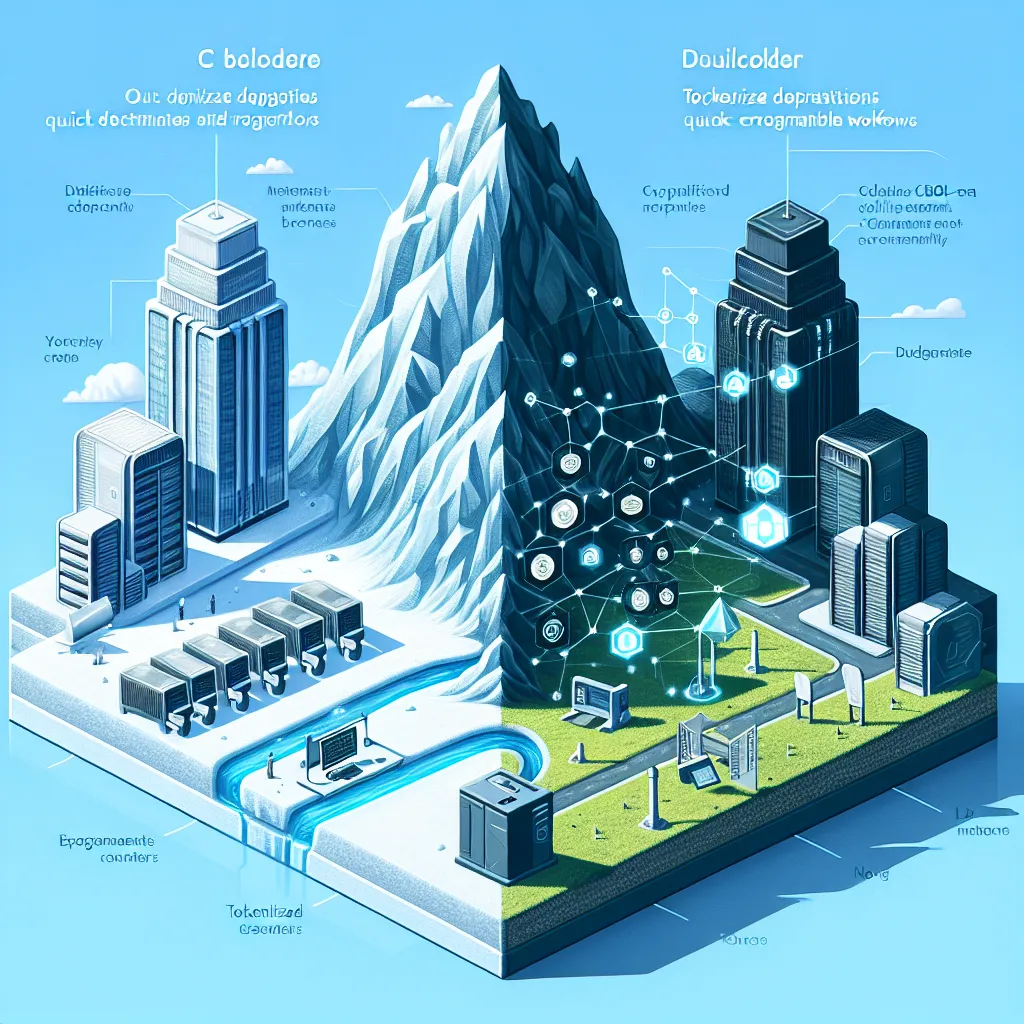
Banks’ COBOL-era ledgers are rock-solid but glacial, making real-time products painful to ship. DualCore is a “shadow ledger” that sits beside legacy cores: it mirrors balances via tokenized deposits and stablecoins, then exposes modern APIs, real-time settlement, and programmable workflows on top. Instead of rewriting the mainframe, banks map account states into an onchain representation that DualCore manages, including compliance and reconciliation glue. Stablecoins and tokenized treasuries become the bridge instead of the end product. A regional bank could, in months, offer instant cross-border payroll, programmable escrow, and dynamic credit lines—all while its mainframe keeps humming unchanged in the background.
Description
No additional description provided.
The Pitch
With the evolving landscape of financial services, many traditional banks find themselves encumbered by outdated systems built on COBOL-era mainframes. While these legacy systems are known for their reliability and security, their slowness in processing and delivering real-time financial solutions has become a major hurdle. Banks are pressured to innovate and provide modern, agile services to their customers without the high risks and costs associated with completely overhauling their back-end systems.
**The Problem**
Current banking infrastructures typically restrict the ability to offer real-time products due to their reliance on outdated technology. These legacy systems are not only challenging to update but also limit the banks' capabilities to provide cutting-edge financial services like instant cross-border payments or dynamic account offerings. The gap between what customers demand and what these systems can deliver is widening, which is a critical pain point for financial institutions eager to maintain a competitive edge.
**The Solution**
Enter DualCore. This solution acts as a shadow ledger that seamlessly integrates with existing banking infrastructures, enabling real-time capabilities without the need to replace the core systems. By tokenizing deposits and implementing stablecoins, DualCore effectively mirrors and manages account states. It leverages blockchain technology to create an on-chain representation managed by DualCore itself, ensuring robust compliance and reconciliation.
**Product Details**
- **Shadow Ledger**: Operates parallel to the bank's mainframe, mirroring account balances and enabling real-time transactional capabilities. - **Modern APIs**: Provides advanced APIs for easy integration, facilitating seamless access to new functionalities for existing banking products. - **Real-Time Settlement**: Allows for the immediate processing of transactions, enhancing customer experience and operational efficiency. - **Programmable Workflows**: Offers banks the ability to create dynamic and customizable financial workflows and solutions, such as instant cross-border payroll and programmable escrow services. - **Compliance and Reconciliation**: DualCore integrates comprehensive compliance measures and robust reconciliation processes to ensure regulatory requirements are consistently met.
**Tools for Launching MVP**
To swiftly launch an MVP, consider utilizing the following tools and platforms: 1. **Blockchain Infrastructure**: Use platforms like Ethereum or Hyperledger for the foundational on-chain operations. 2. **API Management Tools**: Utilize services such as Postman or Swagger for developing and testing APIs. 3. **Stablecoin Integration**: Collaborate with providers like Circle or Tether for stablecoin solutions. 4. **Cloud Deployment**: Deploy the infrastructure via scalable, secure platforms like AWS or Azure. 5. **Compliance Software**: Incorporate compliance tools such as Hummingbird or Trulioo for KYC/AML requirements.
**Go-To-Market Strategy**
1. **Identify Target Audience**: Focus on regional banks or small to mid-sized financial institutions that are eager to innovate but restrained by their legacy systems. 2. **Partnerships**: Collaborate with fintech companies and blockchain startups to enhance credibility and expand service offerings. 3. **Pilot Programs**: Implement pilot projects with select banking partners to demonstrate DualCore's capabilities and benefits. 4. **Marketing and Sales**: Leverage digital marketing, direct sales, and fintech industry events to increase exposure and attract potential clients.
**Business Model**
DualCore's business model involves a subscription-based SaaS platform offering. Banks pay based on the number of accounts or transactions processed through the system, with tiers designed to accommodate institutions of different sizes. This model allows for predictable revenue streams while providing banks the flexibility to scale their services without major financial burdens.
In summary, by implementing DualCore, banks can maintain the stability of their legacy systems while unlocking new revenue streams and significantly enhancing their service offerings to meet modern customer expectations.