Real-Time AI Monitoring for Construction Safety
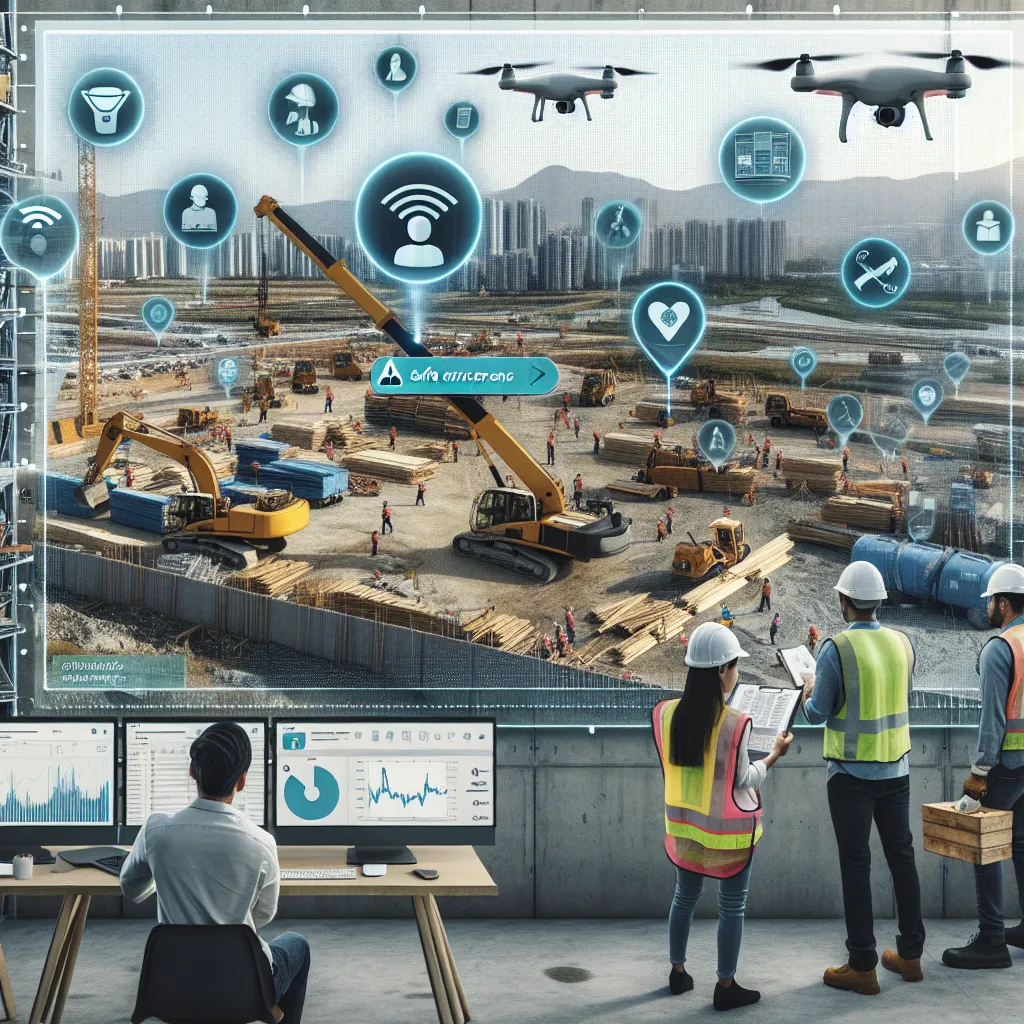
Construction sites are chaotic — safety risks, inefficiencies, delays. Problem: No real-time, context-aware systems exist to monitor and optimize active construction environments. Solution: Ambient AI — using low-cost cameras, LIDAR, and on-site sensors to track activities, safety compliance, material use, and suggest optimizations without manual reporting. Why Now: AI vision and sensor fusion have matured enough for dynamic, real-world environments. Example: A site manager could receive real-time alerts when unsafe behavior is detected or receive a daily report on material usage anomalies — automatically, no human reporting needed.
Description
No additional description provided.
The Pitch
Title: Revolutionizing Construction Site Management with Ambient AI
Backstory
In the dynamic and often unpredictable world of construction, managing sites effectively is a challenging endeavor. The bustling activities and ever-changing environments introduce a myriad of safety risks, inefficiencies, and logistical hurdles. Traditionally, construction site management has relied heavily on manual oversight and reporting, which can lead to delays and inaccuracies in addressing these issues.
Problem
The core issue is the absence of real-time, context-aware systems that can effectively monitor and optimize active construction environments. Current systems lack the capability to provide instant insights into potential safety compliance breaches, inefficient material usage, or delays, making it difficult for site managers to respond proactively.
Solution
The introduction of Ambient AI provides a transformative solution. By leveraging low-cost cameras, LIDAR technology, and a variety of on-site sensors, this system can autonomously track activities, monitor safety compliance, evaluate material use, and recommend optimization measures. This eliminates the need for manual reporting, streamlining the management process.
Product Details
The Ambient AI system utilizes:
- Low-cost Cameras: These are strategically placed around the construction site to provide comprehensive visual coverage. - LIDAR Technology: Used for accurate distance measuring and real-time 3D mapping of the site. - On-Site Sensors: Deployed for monitoring various parameters like temperature, humidity, and noise levels. - AI Algorithms: These analyze data continuously to detect unsafe behaviors and inefficiencies, and suggest real-time optimizations.
Together, these components ensure that site managers receive instantaneous alerts for any unsafe actions, as well as daily reports highlighting anomalies in material usage and other key metrics.
Tools for MVP Launch
To launch this solution as a Minimum Viable Product (MVP), consider the following tools:
- Hardware: Affordable IP cameras and LIDAR units available from tech suppliers. - Software: Open-source AI frameworks like TensorFlow or PyTorch for developing the analytics engine. - Cloud Infrastructure: Platforms such as AWS or Google Cloud for data storage and processing. - Communication Tools: Real-time messaging platforms like Slack for instant alerts.
GTM Strategy
The go-to-market (GTM) strategy should focus on:
- Partnerships with construction firms to pilot the system and provide case studies. - Industry events and trade shows to demonstrate the solution. - Online marketing campaigns targeting construction management professionals. - Offering trial versions to gain initial feedback and build user confidence.
Business Model
The business model could be subscription-based, offering tiered pricing depending on the size of the construction site and the range of features required. This approach ensures a steady revenue stream while allowing flexibility for different customer needs. Additionally, a setup fee for initial installation and configuration could be introduced.
Conclusion
By addressing the fundamental challenges of construction site management, Ambient AI stands to significantly enhance safety, efficiency, and productivity. With the maturation of AI vision and sensor technologies, now is the ideal time to adopt such innovative solutions, paving the way for smarter, safer construction environments.