Real-Time AI-Driven Supply Chain Solutions
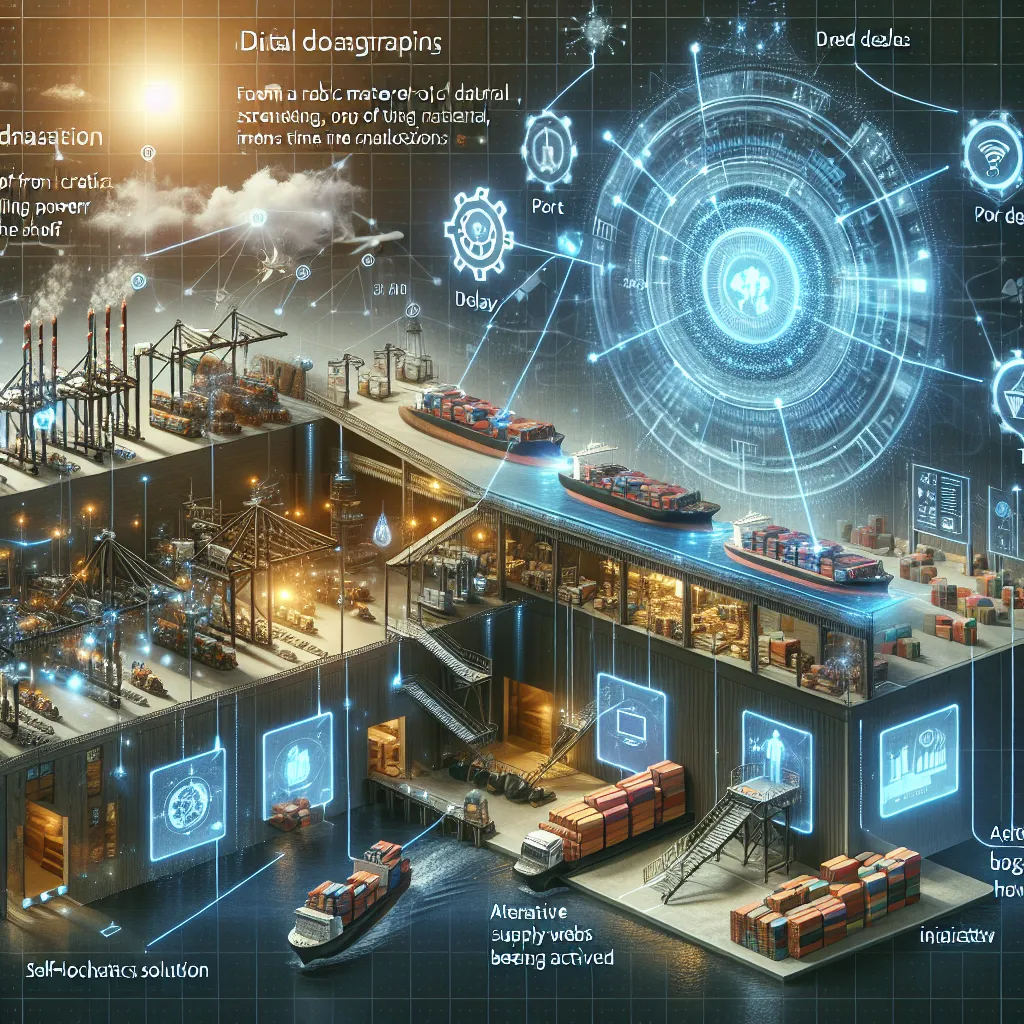
Supply chains are increasingly fragile—suffering delays, waste, and inefficiencies—but most traditional systems lack dynamic simulation. Inspired by AI-driven supply chain platforms like TrusTrace this startup offers companies a real-time digital twin of their end-to-end logistics: from raw material sourcing to shelf. Using IoT sensors and generative AI, it simulates disruptions—like port closures or weather—and recommends automated reroutes or inventory buffers instantly. A mid-size CPG brand can simulate a port delay in Shanghai and instantly activate alternate carriers and factory orders. This represents a leap from static dashboards to predictive, self-healing supply webs powered by real-time modeling.
Description
No additional description provided.
The Pitch
In an era where global supply chains face unprecedented challenges, businesses are continually grappling with delays, inefficiencies, and wastage. Traditional systems are largely static and lack the capability to dynamically respond to unforeseen disruptions. This initiative seeks to address these critical issues by offering an advanced platform that enables companies to visualize, simulate, and optimize their entire supply chain in real-time.
Backstory:
The modern supply chain, though extensive and interconnected, is also vulnerable to a myriad of disruptions. Recent global events have highlighted how fragile these networks can be, leading to a pressing need for systems that not only capture data but also predict and mitigate potential risks. AI-driven platforms like TrusTrace have shown the potential of leveraging technology in supply chains, yet there remains a gap in truly dynamic simulation and prediction capabilities.
Problem:
Businesses often rely on outdated systems that provide only static views of their logistics operations. This lack of real-time data and predictive analysis leads to inefficiencies, increased costs, and missed opportunities. Companies are looking for innovative solutions that can adapt to rapid changes—whether it’s a port closure, extreme weather, or sudden shifts in demand.
Solution:
Our platform provides a digital twin of an entire supply chain, enabling businesses to simulate various scenarios and gain insights into potential disruptions. By integrating IoT sensors with advanced generative AI, the platform continuously models the supply chain dynamics, predicting disruptions and recommending real-time solutions. This involves rerouting shipments, optimizing inventory, and safeguarding against delays—making supply chains more resilient and responsive.
Product Details:
- Real-Time Digital Twin: Mirrors the entire supply chain, from raw material sourcing to end delivery. - Predictive Simulation: Models potential disruptions (e.g., port closures, natural disasters) and provides actionable insights. - Automated Optimization: Recommends reroutes, alternative carriers, and factory adjustments based on AI predictions. - IoT and AI Integration: Seamless integration with existing systems to leverage IoT data for accurate simulation.
Tools for MVP Launch:
- Cloud Services: Utilize platforms like AWS or Azure for scalable computing resources. - IoT Platforms: Employ sensors and IoT frameworks like Google Cloud IoT to collect and process data. - AI Libraries: Leverage TensorFlow or PyTorch for developing AI-driven predictive models. - Simulation Software: Integrate simulation tools like AnyLogic or Simul8 to create dynamic models. - Data Security: Implement robust security measures using tools like Okta for authentication and encryption services for data protection.
Go-to-Market (GTM) Strategy:
1. Target Market: Focus initially on mid-size Consumer Packaged Goods (CPG) brands that require agile and resilient supply chains. 2. Strategic Partnerships: Collaborate with logistics companies and IoT providers for integrated solutions. 3. Pilot Programs: Offer pilot programs to potential clients to demonstrate value and establish initial case studies. 4. Industry Events: Leverage trade shows and conferences to showcase the platform and engage directly with potential clients. 5. Content Marketing: Develop educational content including whitepapers, webinars, and case studies to position the platform as a thought leader in supply chain optimization.
Business Model:
1. Subscription-based pricing: Offer tiered pricing models that scale with the number of users and volume of data processed. 2. Customization Services: Charge a premium for tailored solutions and additional integrations. 3. Data Insights Package: Offer an additional service for real-time analytics and reporting. 4. Partner Programs: Create affiliate models for partners who bring in leads or integrate complimentary solutions.
This initiative aims not just to optimize logistics processes but to transform how companies navigate and manage their supply chains—paving the way for a future where the supply chain is an adaptive, self-optimizing ecosystem.