Real-Time Aging Twin Predicts Health Interventions
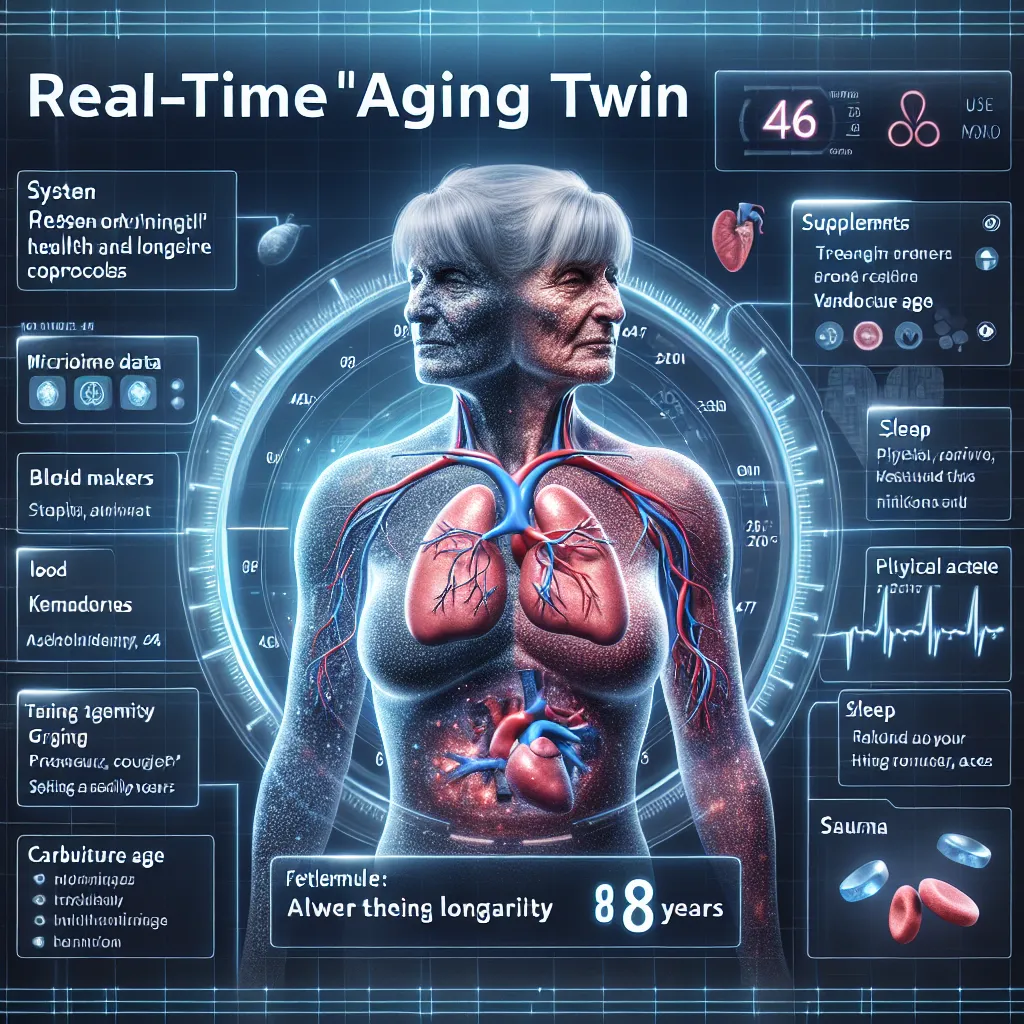
People waste years guessing which longevity protocols actually help their biology—supplements, peptides, training regimens, diet tweaks, sauna routines. Annual bloodwork and wearable metrics are too coarse to personalize aging. A startup could build a real-time “aging twin,” a dynamic digital simulation of a user’s organs trained on microbiome data, blood markers, sleep, stress, movement, and genotype. It predicts how specific interventions will alter healthspan before you try them. This finally works now because wearables are multimodal, home labs are cheap, biological datasets are exploding, and AI can model subtle physiological relationships. A 46-year-old could test three hypothetical regimens and discover that one strength-plus-peptide protocol would lower her cardiovascular age by eight years.
Description
No additional description provided.
The Pitch
The quest for longevity and enhanced healthspan has led many individuals to explore various protocols, from dietary modifications to advanced supplements. However, the challenge lies in identifying which interventions are genuinely effective for an individual’s unique biology. Traditional methods like annual bloodwork or wearable metrics often provide an incomplete picture, lacking the precision needed for precise personalization. This gap presents an opportunity for an innovative solution – a real-time aging twin, a digital simulation that offers a personalized forecast of how different health interventions could impact an individual's biological age and health metrics.
Problem: Many individuals spend significant time and resources trying to determine which longevity protocols are effective for them. The methods currently available for personal health assessment, such as annual blood tests and generalized wearable data, are inadequate for creating highly personalized health interventions. These methods don't provide the necessary granularity to predict individual responses to specific interventions, making it challenging to tailor strategies that significantly impact healthspan and biological age.
Solution: The proposed solution is a digital platform that creates a dynamically updated virtual model of an individual's biological systems, referred to as an aging twin. Utilizing cutting-edge data collection technologies and AI-driven analytics, this platform integrates inputs from various sources such as microbiome analysis, blood markers, genetic data, sleep quality, stress levels, and physical activity. It offers users a predictive, personalized assessment of how different health and lifestyle modifications could affect their biological aging process.
Product Details: 1. **Data Integration**: Aggregates data from wearables, home testing kits, and genetic analyses to incorporate a complete health picture. 2. **AI-Driven Modeling**: Employs advanced algorithms to model intricate physiological relationships and forecast outcomes based on proposed health interventions. 3. **Simulation and Prediction**: Users can input potential health regimens; the platform predicts impacts on biological age, cardiovascular health, metabolic rate, cognitive function, etc. 4. **User-Friendly Interface**: Offers an intuitive interface where users can easily simulate different scenarios and understand potential outcomes. 5. **Real-Time Updates**: Continuous data integration allows the aging twin model to update in real-time, offering current, accurate predictions.
Tools and Technology: - **Wearables and Sensors**: Devices that track biometrics such as heart rate, sleep quality, and physical activity. - **Home Diagnostic Kits**: Affordable kits for regular microbiome, genetic, and blood marker analysis. - **Machine Learning Frameworks**: Tools like TensorFlow or PyTorch for developing complex physiological models. - **Cloud Computing Services**: Platforms like AWS or Google Cloud for data storage and processing.
Launching the MVP: 1. **Build a Minimum Viable Product** by focusing initially on integrating data from wearables and a few key biological markers. 2. **Pilot Testing** with a small, targeted audience interested in health optimization to gather early user feedback. 3. **Iterate Rapidly** based on user responses, refining the model for more accurate predictions.
Go-To-Market Strategy: 1. **Target Early Adopters** in the health optimization community through partnerships with health influencers and wellness platforms. 2. **Educational Content**: Create a comprehensive content strategy around the science of biological age reduction to inform and engage potential users. 3. **Strategic Partnerships**: Collaborate with companies in the wearable tech and home diagnostics sectors to expand data integration capabilities. 4. **Subscription Model**: Offer tiered subscription plans based on the level of personalization and data complexity available to users.
Business Model: - **Freemium Access**: A basic version of the platform is available for free, with premium subscriptions offering more detailed insights and advanced simulation features. - **Data Partnerships**: Establish B2B partnerships with research institutions and wellness companies interested in aggregated, anonymized data insights for health studies. - **Consultative Upsells**: Offer personalized health consultancy services for users seeking further interpretation and action plans based on their digital twin’s recommendations.
The digital platform for creating a real-time aging twin represents a substantial leap forward in personalized health optimization, allowing users to scientifically guide their interventions towards a longer, healthier life.