Rapid Ultrasonic Water Extraction for Disaster Relief
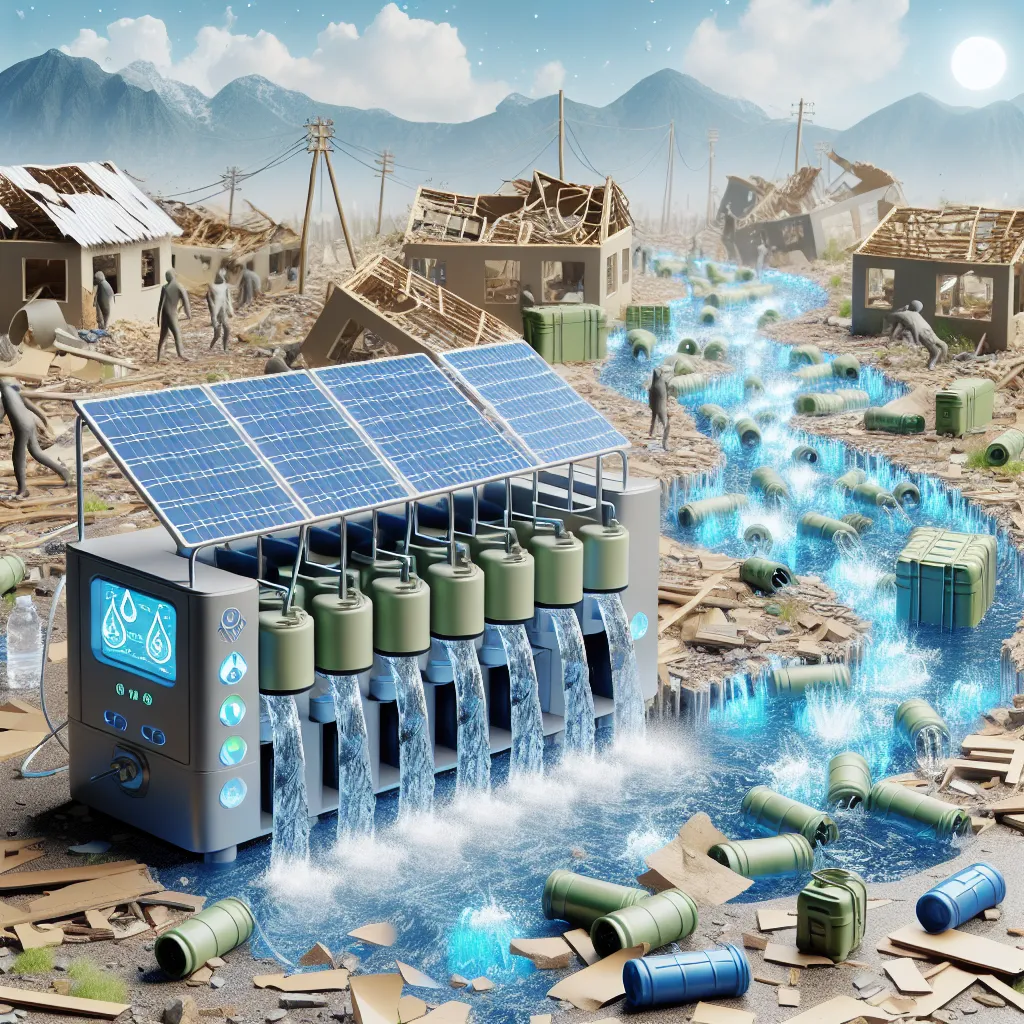
Disaster zones often lose access to drinkable water within hours, forcing relief teams to ship heavy pallets that strain logistics and slow response. Previous atmospheric-water systems couldn’t cycle fast enough to support field operations. Ultrasonic extraction changes that: a portable AWH kit can now absorb humidity and release clean water in rapid cycles using small solar panels and ruggedized cartridges. The “why now” is the 45× increase in extraction speed — finally enabling field-ready throughput. After a hurricane, FEMA could drop 20 units into a neighborhood, each producing dozens of liters a day, giving survivors immediate water long before infrastructure is restored.
Description
No additional description provided.
The Pitch
In the aftermath of natural disasters, access to clean, drinkable water is often one of the most urgent needs. Traditional relief efforts involve shipping large quantities of bottled water, which comes with logistical challenges and delays. However, advancements in technology now offer a groundbreaking solution to this problem: Ultrasonic Atmospheric Water Harvesting (AWH) systems.
Backstory: Historically, atmospheric water generation systems have been limited by their slow rate of water extraction. This limitation made them impractical for immediate use in disaster zones. Relief teams were often left with no choice but to rely on bulky shipments of water, which are not only costly but also time-consuming and resource-intensive.
Problem: In disaster zones, infrastructure damage often leads to a dire shortage of safe drinking water. Current logistics for water supply are cumbersome, as relief teams must transport large quantities of bottled water, adding strain to already overwhelmed systems. This delay can critically impact the health and survival of affected populations.
Solution: Ultrasonic extraction technology transforms the capabilities of atmospheric water generation. By significantly increasing the speed of water extraction, this new method allows AWH units to produce clean water quickly and efficiently. The technology is compact, portable, and designed for rapid deployment, making it ideally suited for use in disaster-stricken areas.
Product Details: The Ultrasonic AWH kit leverages cutting-edge technology to deliver high performance in challenging environments. Key features include: - Rapid Extraction: A 45× increase in water extraction speed compared to traditional systems. - Solar Powered: Operates effectively using small solar panels, ensuring a sustainable and renewable energy source. - Portability: Lightweight and compact design facilitates easy transportation and deployment. - Durability: Ruggedized cartridges and robust components are built to withstand harsh conditions. - High Output: Each unit is capable of producing dozens of liters of clean water per day.
Tools for MVP Launch: To bring this innovative product to market as a Minimum Viable Product (MVP), several tools and strategies can be utilized: - Rapid Prototyping: Use 3D printing and modular design techniques to quickly develop and iterate on prototypes. - Simulation Software: Employ software to test performance under various environmental conditions. - Crowdsourcing Platforms: Engage potential users and stakeholders to gather feedback and validate demand. - Lean Start-up Methodology: Implement iterative cycles of build, measure, and learn to refine product features and capabilities.
Go-to-Market Strategy (GTM): - Partnerships: Collaborate with organizations such as FEMA, Red Cross, and international NGOs to facilitate distribution and deployment in disaster areas. - Pilot Programs: Launch pilot programs in regions prone to natural disasters to demonstrate effectiveness and gather data. - Public Awareness Campaigns: Educate the public and stakeholders on the new technology through seminars, social media, and informational websites. - Government Engagement: Work with government agencies to integrate the technology into emergency preparedness plans.
Business Model: The business model for the Ultrasonic AWH system could include: - Direct Sales: Sell units directly to government agencies, NGOs, and disaster relief organizations. - Lease Agreements: Offer lease options to organizations for short-term use, ensuring flexibility and affordability. - Maintenance and Support Services: Provide ongoing support and replacement parts to ensure optimal performance of the units. - Licensing: License the technology to other manufacturers or regions, creating additional revenue streams.
Conclusion: Ultrasonic Atmospheric Water Harvesting presents a transformative opportunity to address one of the most pressing challenges in disaster relief. By providing immediate access to clean water, this technology not only saves lives but also enhances the efficiency and effectiveness of emergency response efforts. With the right tools, strategies, and partnerships, this innovative solution can be rapidly deployed to make a tangible impact in disaster zones worldwide.