Rapid Emergency Funding for City Cash Flow
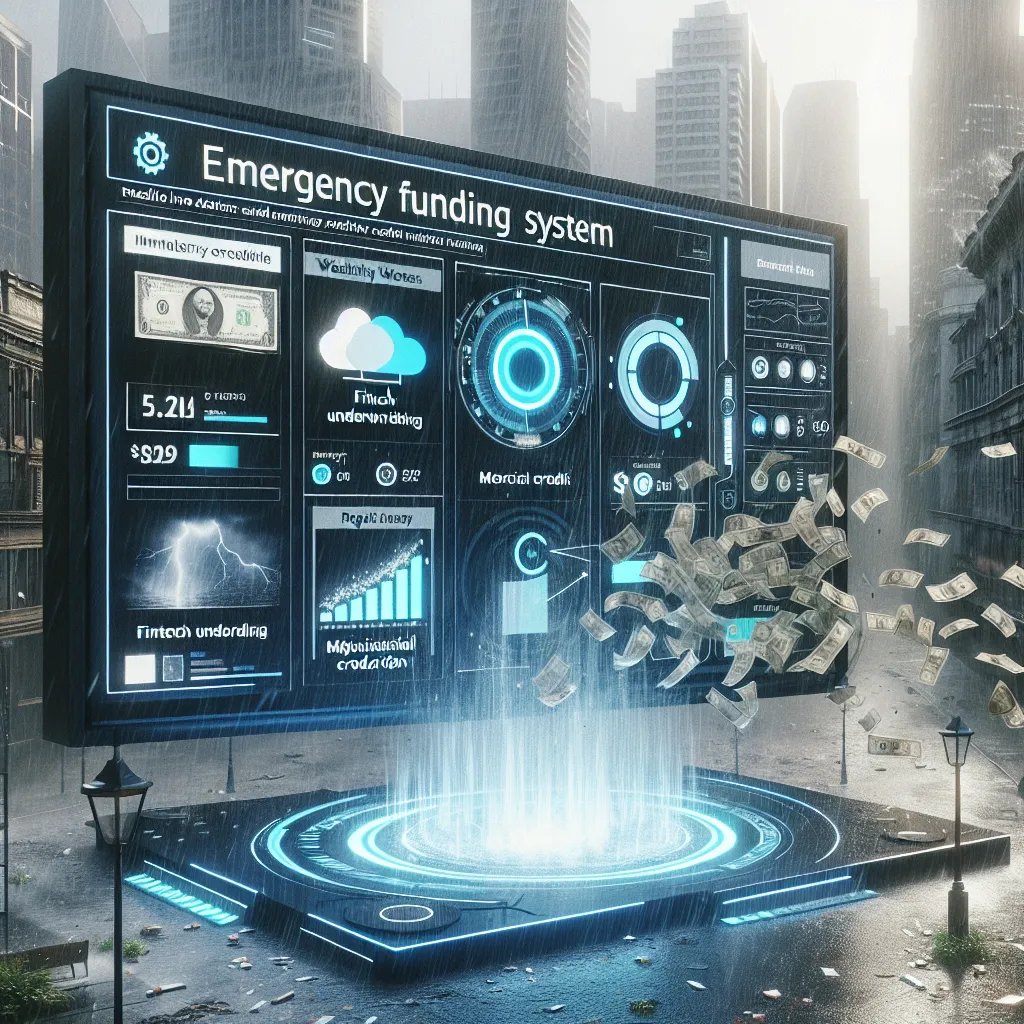
The final failure point is cash flow. Even when cities know what to do, they often can’t fund it fast enough. A rapid emergency funding rail provides short-term liquidity tied to verified weather events, repayable through future budgets or reimbursements. This is possible now because fintech underwriting, real-time verification, and municipal credit models already exist. Instead of raiding unrelated budgets mid-storm, cities could unlock capital when it matters most.
Description
No additional description provided.
The Pitch
In recent years, climate change has intensified the frequency and severity of weather-related emergencies, placing immense pressure on cities and their financial systems. With growing demands on urban infrastructure and emergency response mechanisms, many municipalities find themselves underprepared and underfunded when severe weather strikes. This creates an urgent problem: cities know what needs to be done to mitigate disaster impacts, but they lack the immediate liquidity to act quickly and effectively.
The crux of the issue lies in cash flow limitations. Weather emergencies are unpredictable, and even with the best laid plans, cities often struggle to allocate resources swiftly during a crisis. The traditional funding mechanisms are slow and often require diverting funds from other critical initiatives, which can delay response efforts and exacerbate damages.
A proposed solution to this problem is the implementation of a rapid emergency funding rail. This innovative financial tool is designed to provide short-term liquidity tied directly to verified weather events. Such liquidity would be repayable through future city budgets or external reimbursements, ensuring that immediate needs do not disrupt longer-term fiscal stability. This idea leverages existing fintech underwriting frameworks, real-time weather verification systems, and municipal credit models.
The central product would operate as an emergency financial service platform. Its core functionality would include:
1. Real-time Verification: Utilizing AI-driven weather prediction and verification technologies to trigger funding eligibility immediately upon qualifying events. 2. Seamless Access: A user-friendly interface for municipal officials to receive funds quickly with minimal bureaucratic hurdles. 3. Flexible Repayment: Providing tailored repayment plans aligned with municipal fiscal calendars and potential disaster relief reimbursements. 4. Risk Assessment: Employing advanced fintech tools to assess and manage underwriting risks effectively.
To build this platform, several tools and technologies can be used:
- Cloud Computing: Secure and scalable infrastructure for hosting the platform. - Artificial Intelligence: For predictive analytics and real-time weather event verification. - Fintech Solutions: Advanced underwriting algorithms and municipal credit assessment tools. - User Interface Design: To create an intuitive and accessible platform for municipal users.
The initial launch as a Minimum Viable Product (MVP) could focus on a specific geographic area prone to weather-related emergencies. Collaborating with a few key municipalities would allow for valuable feedback and iterative development. Partnerships with financial institutions and technology providers could further enhance the platform's capabilities.
For the Go-to-Market (GTM) strategy, a targeted approach involving:
1. Strategic Partnerships: Building alliances with government bodies and financial entities. 2. Municipal Engagement: Direct campaigns to educate and onboard city officials. 3. Industry Conferences: Presentations and demos at events targeting urban planners and emergency management professionals. 4. Thought Leadership: Publishing case studies and white papers to highlight success stories and best practices.
The business model could include transaction fees for each funding disbursal, subscription models for continued access, and tiered pricing depending on city size or funding requirements. Additionally, the company could explore revenue-sharing agreements with financial partners involved in the underwriting process.
Ultimately, this platform aims to transform the way cities manage financial challenges caused by severe weather, ensuring that they can act swiftly and efficiently when it matters most, without compromising their long-term fiscal health.