Rapid Drug Testing Device for Personalized Treatment
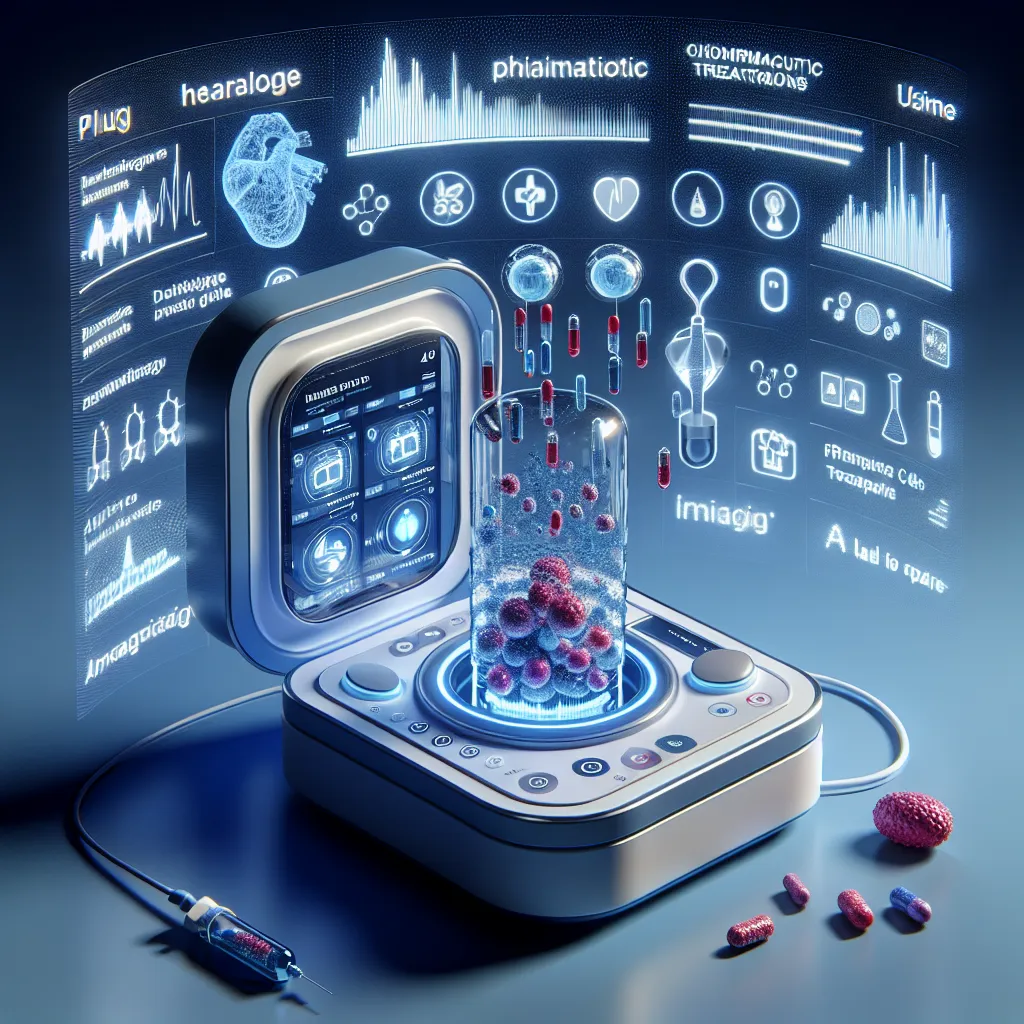
Doctors often have to guess which drug will work best for a patient, especially in cancer or rare diseases. Right now, testing a patient’s cells against different treatments can take weeks and requires advanced lab work. This startup would build a small, plug-and-play device that uses sound waves to gently move patient cells and expose them to various drugs—all without touching them. Hospitals could test treatment response on real cells in real time, using just a small sample of blood or tissue. Thanks to the new acoustic tech, it’s now possible to create a compact tool that runs these tests without lab staff or special conditions. Imagine a doctor knowing within 48 hours which chemotherapy will work best for a specific patient—directly improving care and saving lives
Description
No additional description provided.
The Pitch
Background: In the field of medicine, particularly in oncology and rare diseases, determining the most effective treatment for a patient can be a prolonged and uncertain process. Traditional methods often involve trying multiple medications before identifying the one that yields the best results, which can be time-consuming and costly. This approach not only delays essential treatment but also subjects patients to unnecessary side effects from ineffective drugs. Medical professionals are constantly seeking innovative solutions that offer faster and more accurate treatment options tailored to individual patients.
Identifying the Problem: The current method of testing treatment efficacy on patient samples is inefficient and labor-intensive. It involves advanced laboratory environments and skilled personnel, making it costly and inaccessible for many medical institutions. Furthermore, the prolonged response time can be critical in serious conditions like cancer, where prompt and precise therapy can significantly influence a patient's prognosis.
Proposed Solution: The advancement in acoustic technology offers a promising solution to this problem. By employing sound waves to interact with patient cells, it's possible to expose them to a variety of drug treatments without physical contact. This method enables quick and reliable testing of cellular responses to different medications, allowing doctors to identify the most effective treatment far more rapidly than current practices.
Product Details: The core product is a compact, user-friendly device that can be easily integrated into any hospital setting. Using a small sample of blood or tissue, the device applies acoustic technology to test cellular reactions to multiple drugs simultaneously. Its plug-and-play nature eliminates the need for specialized lab conditions or staff, rendering it both cost-effective and accessible. With results available in as little as 48 hours, doctors can swiftly modify treatment plans to better suit the individual needs of their patients.
Tools for Launching an MVP: To kick off this venture, a robust MVP could be developed using a combination of existing acoustic technology and basic diagnostic software. Tools like 3D printing for prototype creation, cloud-based platforms for data processing, and low-cost microcontrollers for device operation can expedite the development process. Collaboration with a network of hospitals for initial testing and feedback will be essential for refinement.
Go-to-Market Strategy: The initial go-to-market strategy should focus on partnerships with key hospitals and oncology centers. Demonstrating the efficacy and cost-saving potential of the device through pilot programs will be crucial. Additionally, a comprehensive marketing campaign that highlights case studies and testimonials from early adopters can build credibility and awareness. Engaging with medical conferences and publications will further position the product in front of influential medical professionals.
Business Model: The most effective business model would likely be a subscription-based service. Hospitals and medical centers could subscribe to use the device, which would include regular updates, maintenance, and customer support. This model ensures a continuous revenue stream and allows for ongoing engagement with the customer to adapt the product based on feedback and advances in technology.
In conclusion, by leveraging cutting-edge acoustic technology, this innovative device has the potential to transform personalized medicine. Streamlining the treatment determination process not only enhances patient care but also saves lives by ensuring timely and effective therapy.