Rapid-Deploy Modular Classrooms for Education Needs
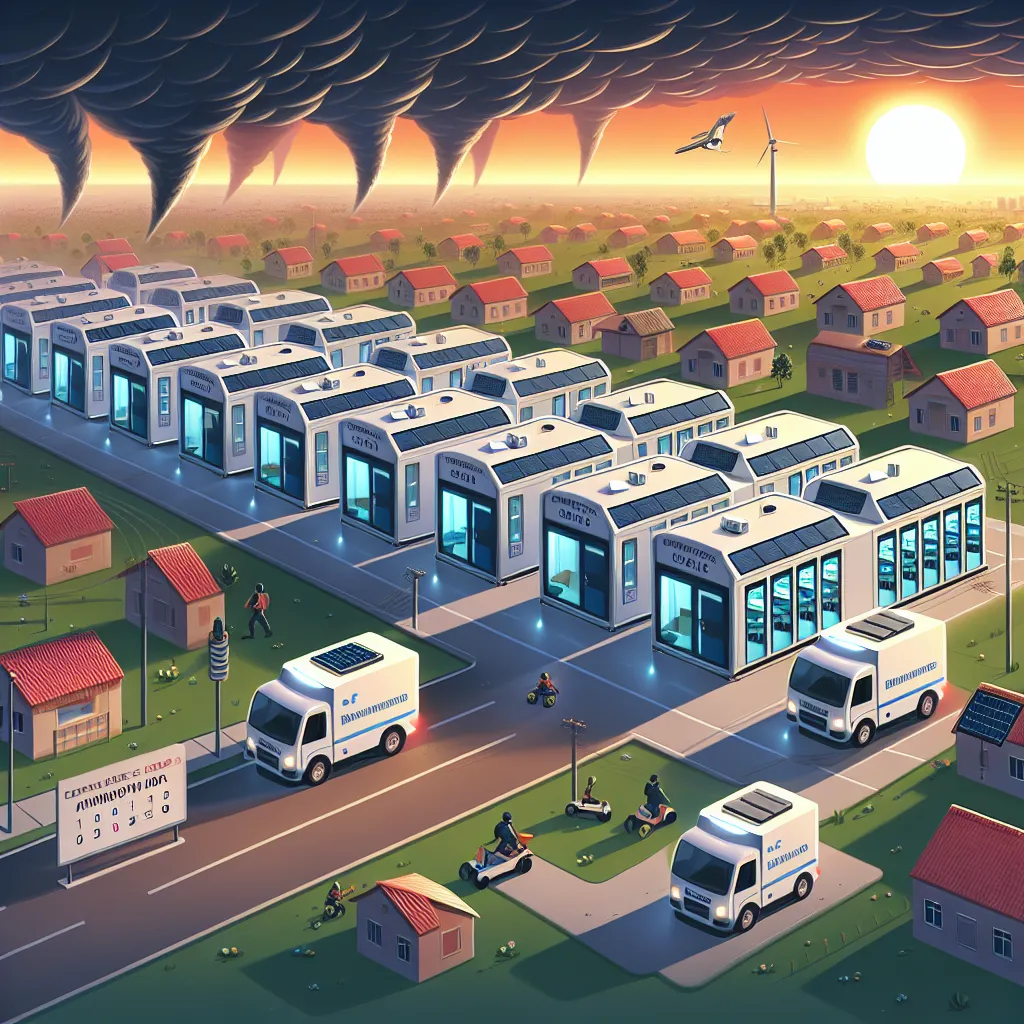
Disaster zones, rural towns, and growing schools need fast, flexible classroom space. This startup deploys modular units with built-in AV, solar, and HVAC. The trend: pop-up infrastructure is expanding beyond retail. For example, a flooded school gets 4 new classrooms in 12 days, keeping kids in session. Later, they’re moved to a new district.
Description
No additional description provided.
The Pitch
In recent years, the demand for adaptable infrastructure solutions has surged, driven by the necessity to respond swiftly to emergencies and the challenges of providing educational spaces in remote or rapidly growing communities. Traditional construction methods often fail to meet the requirements of speed, flexibility, and sustainability. This is where a highly innovative solution comes in: rapid-deploy modular classrooms.
Background
Disruptive events such as natural disasters, pandemics, or even unexpected enrollment increases can severely impact the educational system. For instance, schools in disaster-stricken areas are often left without adequate learning spaces for extended periods. Similarly, educational institutions located in rural or expanding urban areas can struggle to provide appropriate facilities due to budget constraints or lengthy construction timelines. These challenges create a significant barrier to continuous and quality education.
Identified Problem
The primary issue lies in the inability of traditional infrastructure to adapt quickly to changing demands or emergencies. Construction and retrofitting of existing structures can be prohibitively expensive and often take months or even years to complete. This delay directly affects the learning opportunities of countless students, who are left without proper educational spaces. Additionally, environmental concerns and the need for sustainable practices make traditional construction less viable for many institutions.
Proposed Solution
The solution is a fleet of modular units that can be rapidly deployed to create classroom spaces in a fraction of the time and cost of traditional methods. These units are designed to be easily transported and installed in any location, providing immediate relief in disaster-hit regions or accommodating burgeoning student populations in growing communities. Equipped with advanced features such as built-in audio-visual systems, solar panels, and efficient HVAC solutions, these classrooms provide a modern and comfortable learning environment.
Product Details
Each modular classroom unit is designed for maximum efficiency and versatility. Key features include:
- Quick Assembly: Units can be set up within 12 days from the decision to deploy, minimizing downtime for schools affected by sudden spatial needs. - Sustainable Energy: Integrated solar panels provide a renewable energy source, reducing operational costs and environmental impact. - Advanced Climate Control: Modern HVAC systems ensure a comfortable learning environment regardless of external conditions. - Built-in AV Technology: Equipped with projectors and smart boards to facilitate interactive learning. - Portability: Easily relocated and stacked to adapt to changing needs and locations.
Tools for Launch and MVP Development
To bring this concept to market as a Minimum Viable Product (MVP), consider utilizing the following tools and strategies:
1. Modular Design Software: Leverage software like SketchUp or AutoCAD to design adaptable units. 2. Rapid Prototyping: Use 3D printing and agile manufacturing techniques to prototype components quickly. 3. Sustainable Supply Chain: Partner with suppliers focusing on eco-friendly materials. 4. Logistics Platforms: Use platforms like Flexport for efficient global transport arrangements.
Go-To-Market Strategy
- Target Market: Focus on regions frequently impacted by natural disasters, as well as rapidly growing urban and remote rural areas. - Partnerships: Collaborate with local governments, NGOs, and educational institutions to gain access to potential deployment sites and funding. - Pilot Programs: Launch initial pilots in select communities to gather data and refine offerings. - Brand Messaging: Emphasize the speed, flexibility, and sustainability of the solution in marketing campaigns, potentially leveraging social media and educational conferences.
Business Model
The business model can include a mixture of direct sales, leasing options, and partnerships. Offering leasing options can provide flexibility for schools that may only need temporary solutions. Additionally, partnerships with government agencies or large NGOs can provide steady revenue through long-term contracts for providing classroom space in response to specific needs.
In conclusion, the deployment of rapid-deploy modular classrooms presents a practical and innovative approach to providing education infrastructure where it is needed most. This solution not only addresses the immediate barriers to education continuity but also aligns with broader goals of sustainability and efficiency in public infrastructure development.