Rapid Blood Typing Device for Emergency Transfusions
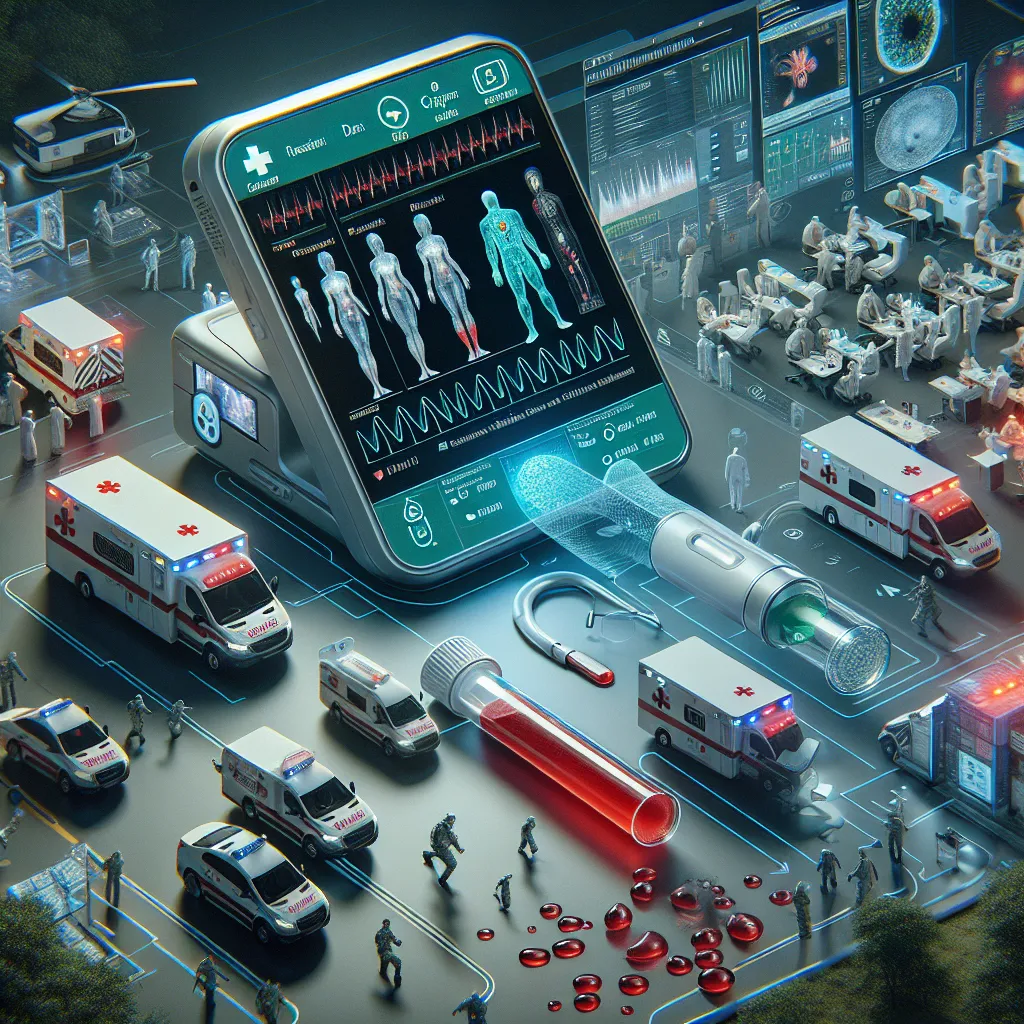
Emergency transfusions are delayed by the need to transport samples to labs for blood typing and cross-matching, risking lives. This startup would offer a handheld device using microfluidics and CRISPR-based biosensors to perform full antigen typing and compatibility checks in under 10 minutes. Designed for ambulances, clinics, and war zones, it would integrate with EHR systems to streamline care decisions. Now possible thanks to advances in portable diagnostic chips and CRISPR-based sensors, this could enable an EMT to test a patient roadside and alert the ER of exact transfusion needs in real time—radically speeding up care.
Description
No additional description provided.
The Pitch
In critical care situations, every second counts. The delay in performing blood typing and cross-matching often hampers the speed of emergency transfusions, exposing patients to increased risk. The physical transport of blood samples to distant labs for this analysis is a significant bottleneck. Addressing this urgent need, we propose a pioneering solution that leverages cutting-edge technology to enhance the efficiency and safety of blood transfusions in emergency scenarios.
---
Backstory
The need for rapid blood compatibility testing is a well-known issue within emergency medical services. Whether in ambulances, clinics, or conflict zones, healthcare providers consistently face the challenge of ensuring timely and accurate blood transfusions. Traditionally, samples are taken from the patient and sent to a lab for processing. This process can take several hours—time that critical patients might not have. The risk of incorrect blood matching or delays can lead to severe complications, including organ failure and increased mortality rates.
---
Problem
The conventional process is time-consuming and often impractical in high-pressure environments. The critical issues include:
1. Delay in obtaining blood compatibility results due to reliance on external lab facilities. 2. Increased risk of transfusion reactions due to incorrect blood matching. 3. Logistical challenges in transporting samples, especially in remote or mobile settings.
---
Solution
We propose a revolutionary handheld device that performs full antigen typing and compatibility checks directly at the point of care. This device utilizes advances in microfluidics and CRISPR-based biosensors to deliver accurate results in under 10 minutes. Designed for use in ambulances, clinics, and war zones, it integrates seamlessly with Electronic Health Record (EHR) systems, allowing for immediate updates to patient care plans.
---
Product Details
The handheld device features:
1. Microfluidic technology that handles small blood samples efficiently. 2. CRISPR-based biosensors for precise antigen typing and cross-matching. 3. A user-friendly interface designed for non-laboratory environments. 4. Connectivity features for real-time data sharing with ER and hospital systems. 5. Portable design ensuring ease of use in various emergency settings.
This solution leverages advancements in portable diagnostic chips and sophisticated biosensors, now small and reliable enough for field use.
---
Tools for Easy Launch
To bring this innovative solution to market as a Minimum Viable Product (MVP), we recommend the following tools and platforms:
1. Rapid prototyping tools for device design and iteration. 2. Cloud-based software for seamless EHR integration and data management. 3. Partnerships with medical device manufacturers for scalable production. 4. Regulatory guidance platforms to navigate necessary health certifications and approvals.
---
Go-to-Market (GTM) Strategy
The GTM strategy will focus on:
1. Building partnerships with ambulance services, clinics, and military medical units. 2. Creating a pilot program in select urban and rural emergency departments to demonstrate efficacy. 3. Engaging healthcare professionals through targeted training sessions. 4. Launching a comprehensive awareness campaign encompassing social media and medical conferences.
---
Business Model
The proposed business model includes:
1. Direct sales to hospitals, emergency services, and military branches. 2. Subscription-based service for software and regular device updates. 3. Offer an annual maintenance plan to ensure device longevity and accuracy.
---
Conclusion
By providing a fast, reliable, and portable solution for blood compatibility testing, this innovation stands to revolutionize emergency medical responses, saving lives by cutting down critical wait times. With advanced technology now at our disposal, the future of emergency transfusion is poised to move from traditional lab dependency to immediate, on-site decision-making.